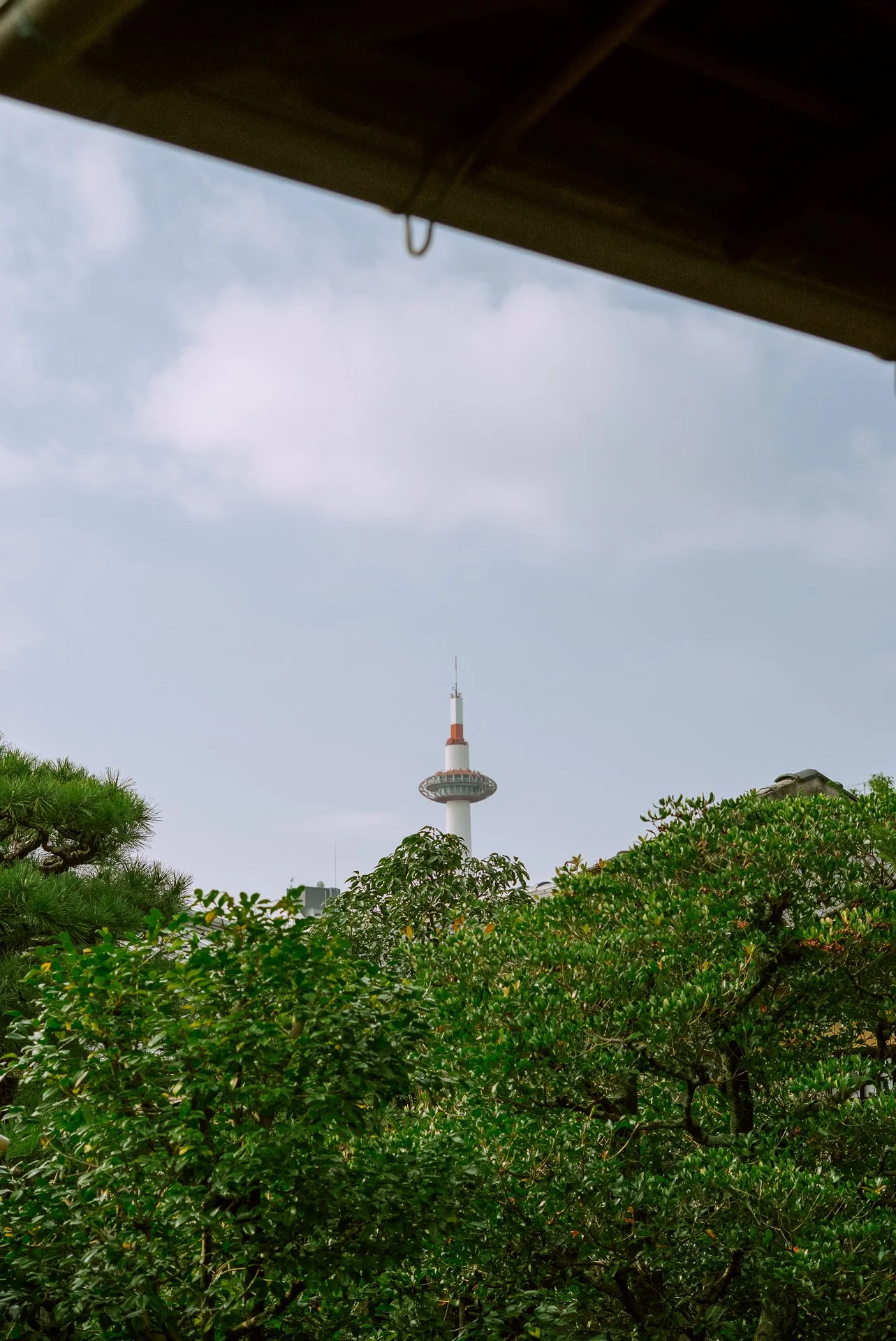
Mata Ne, Kyoto.
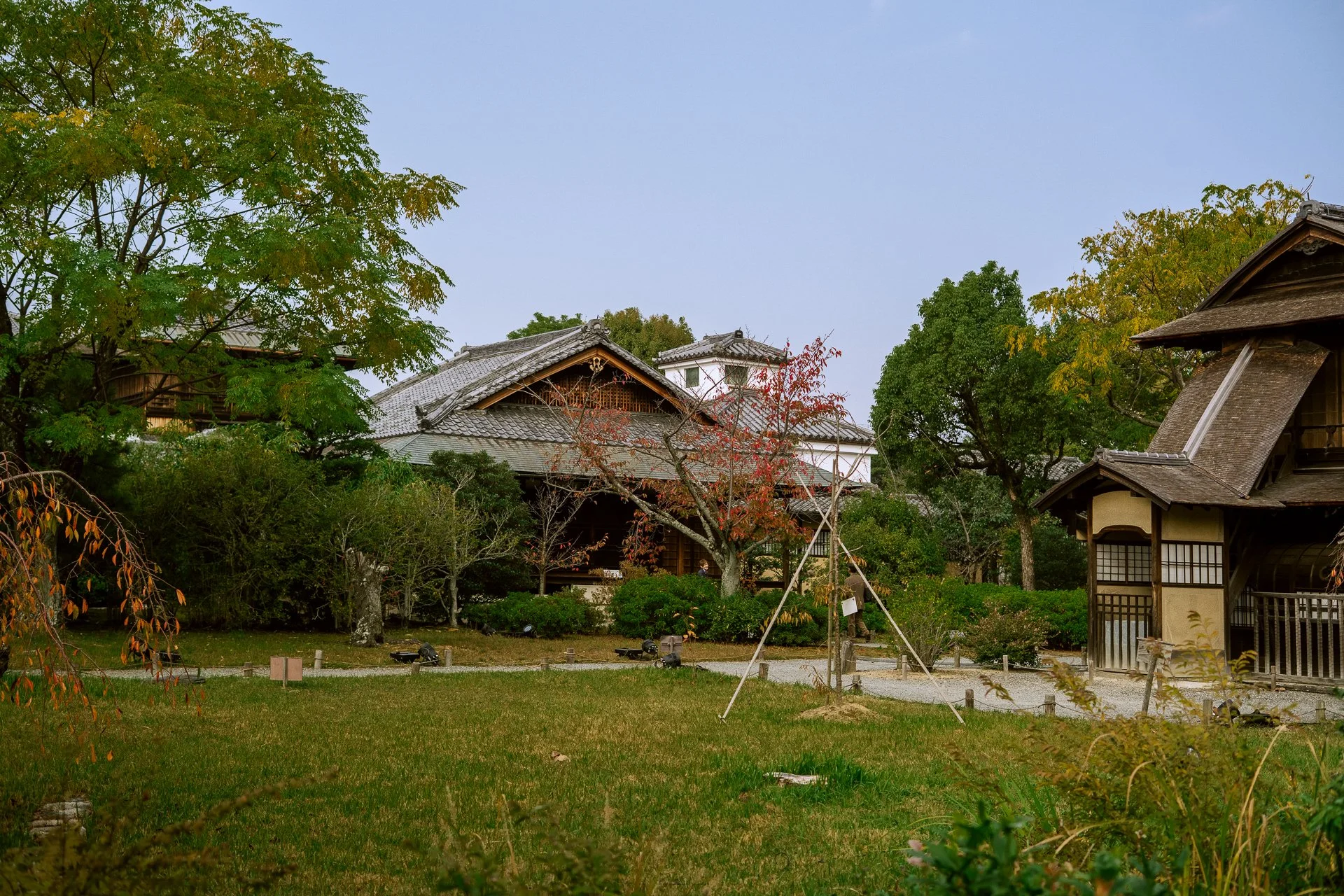
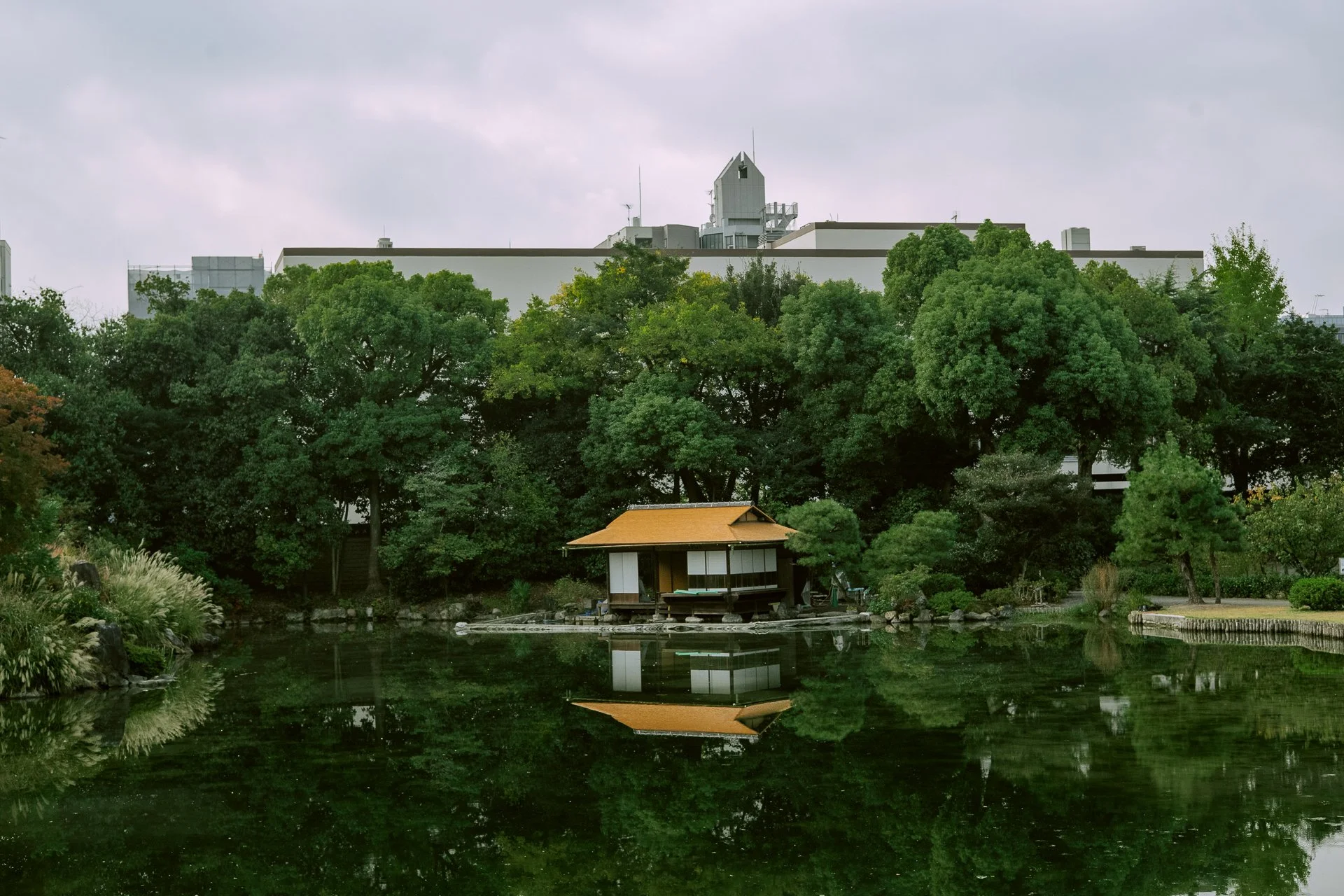
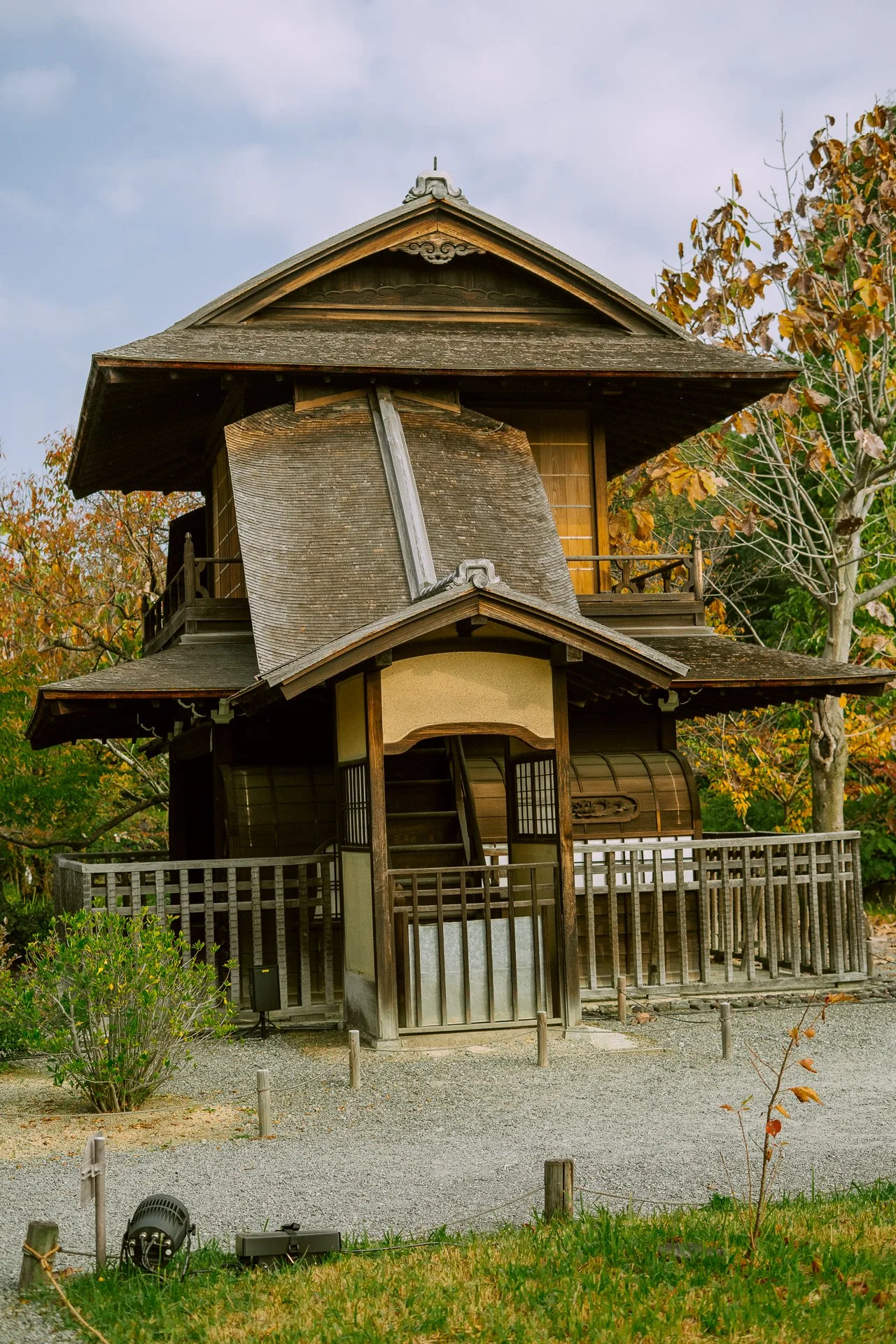
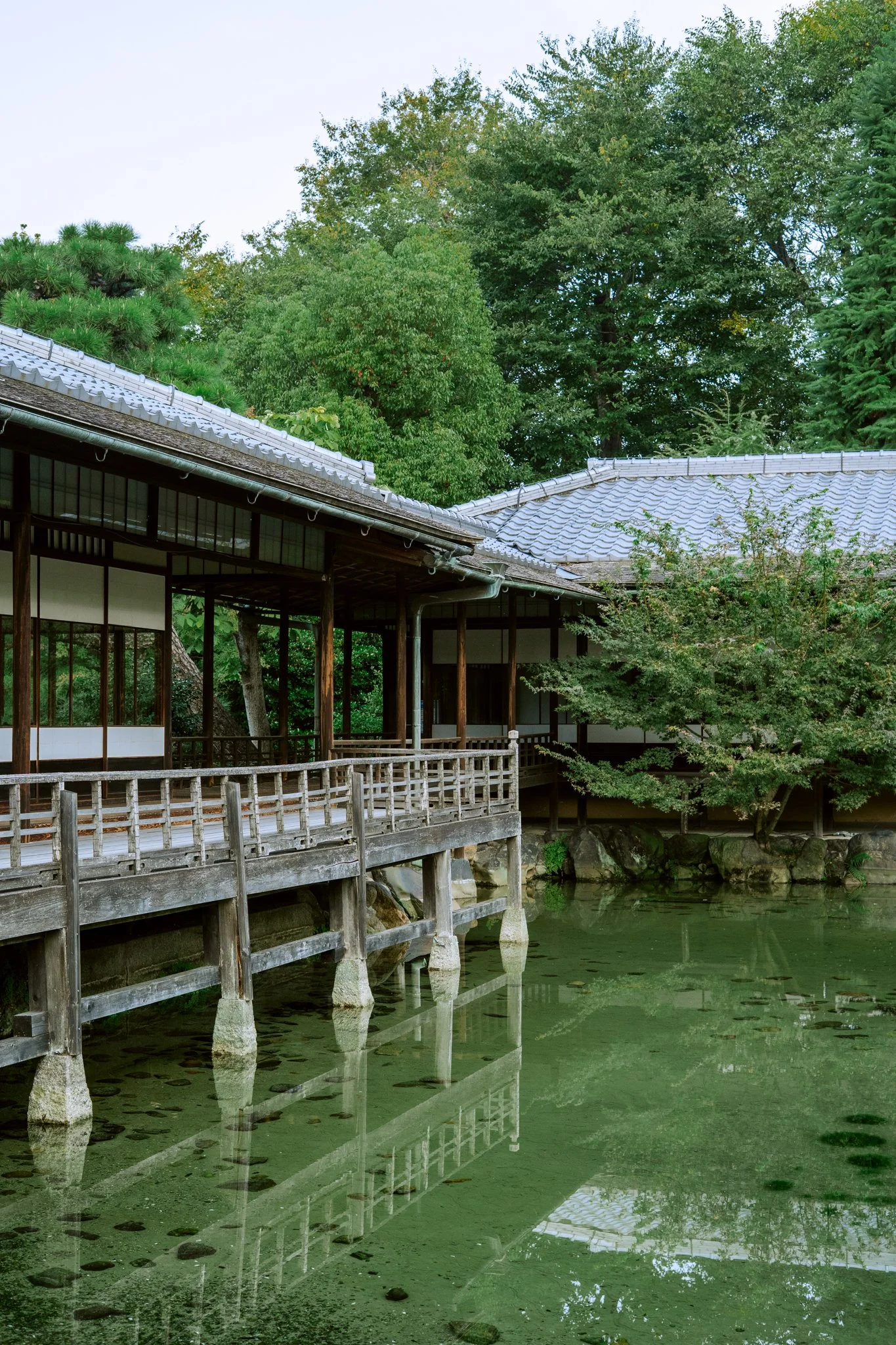
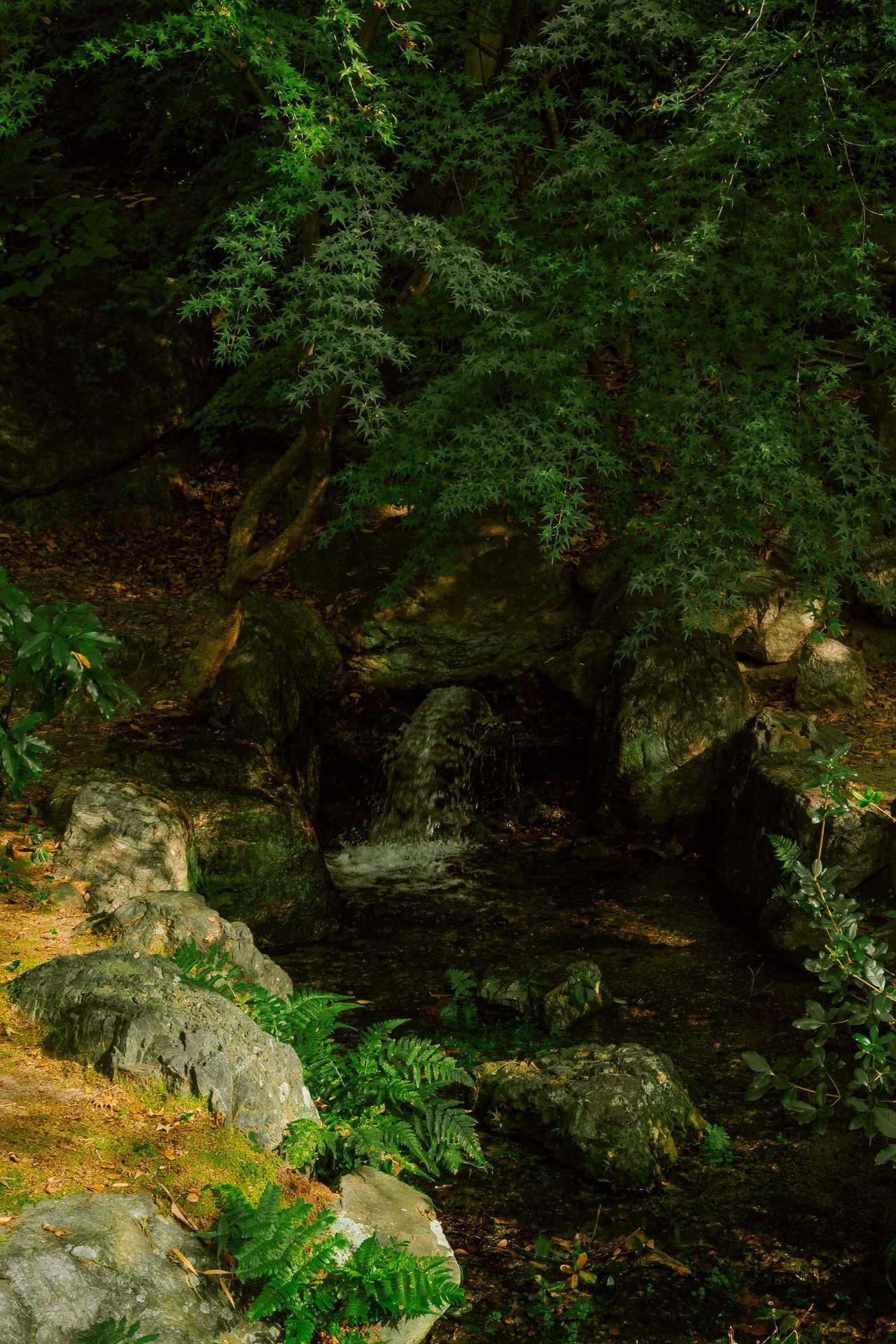
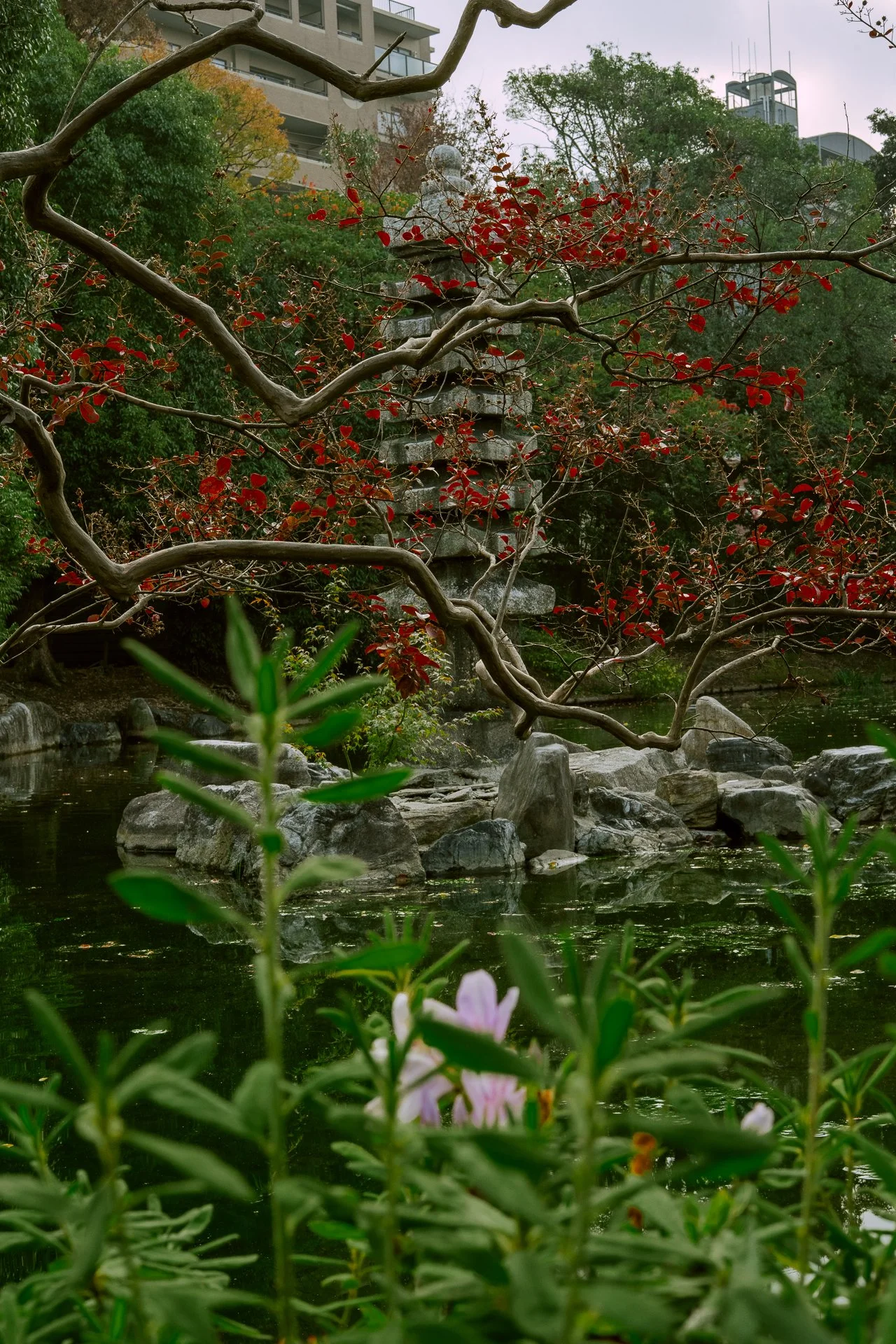
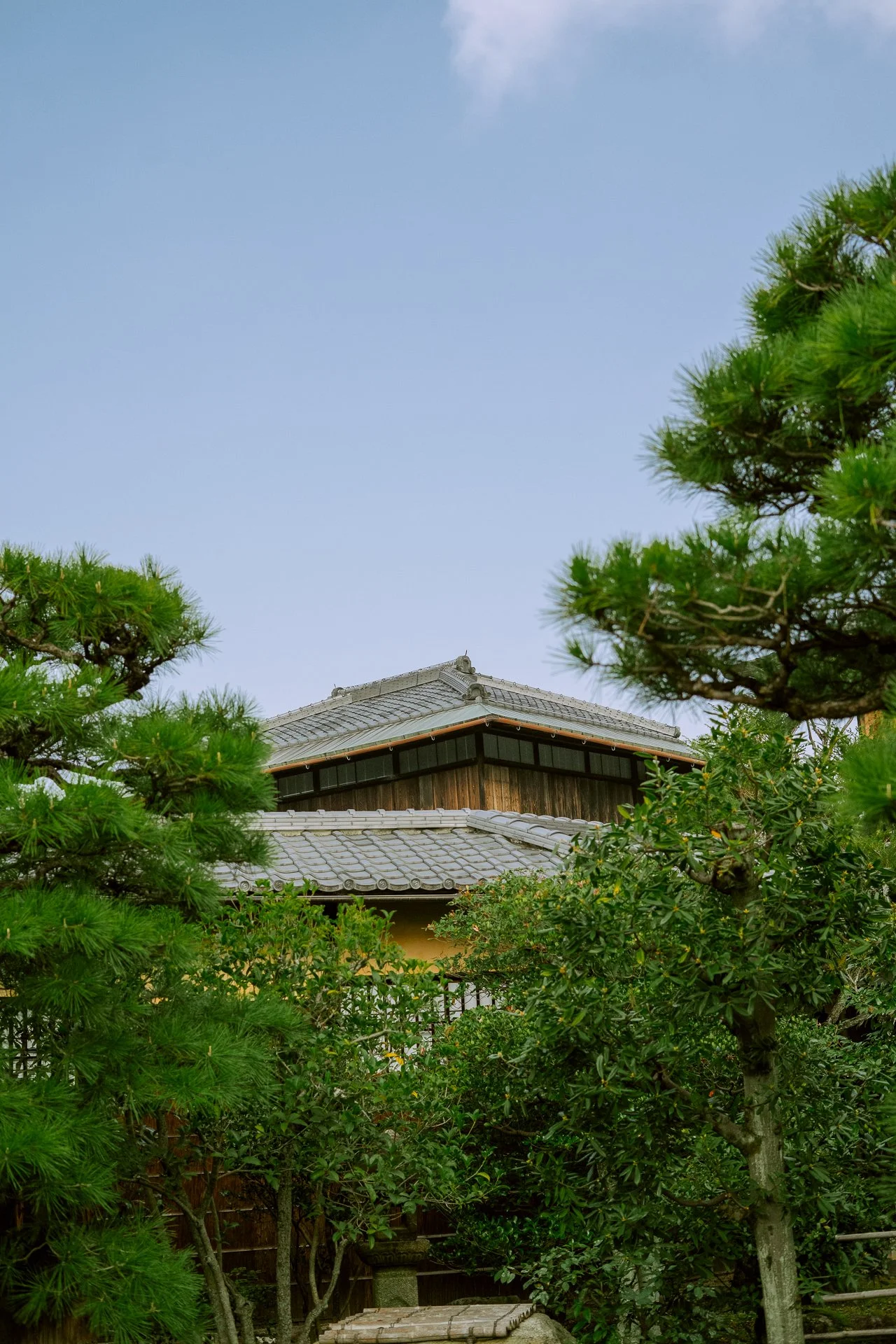
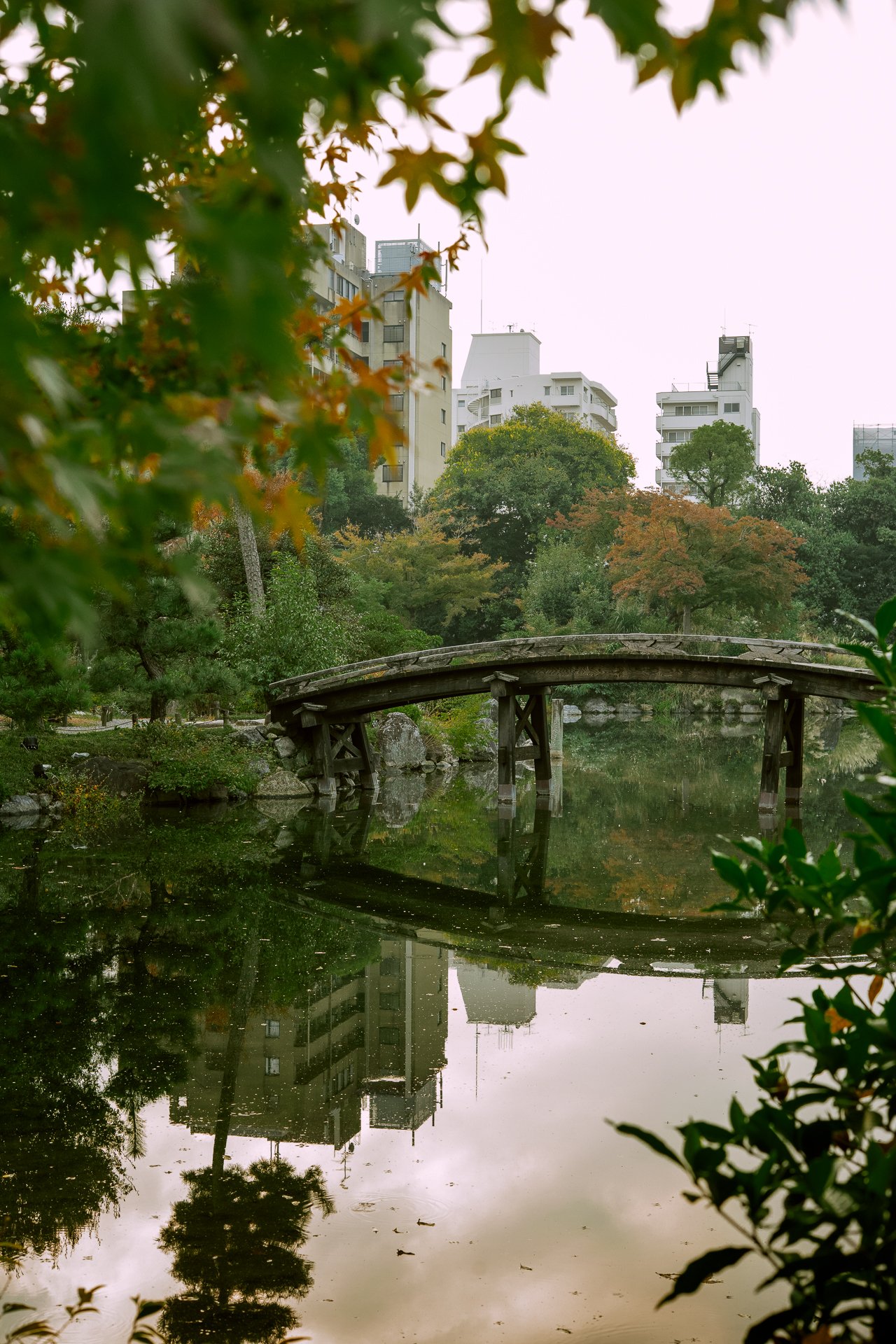
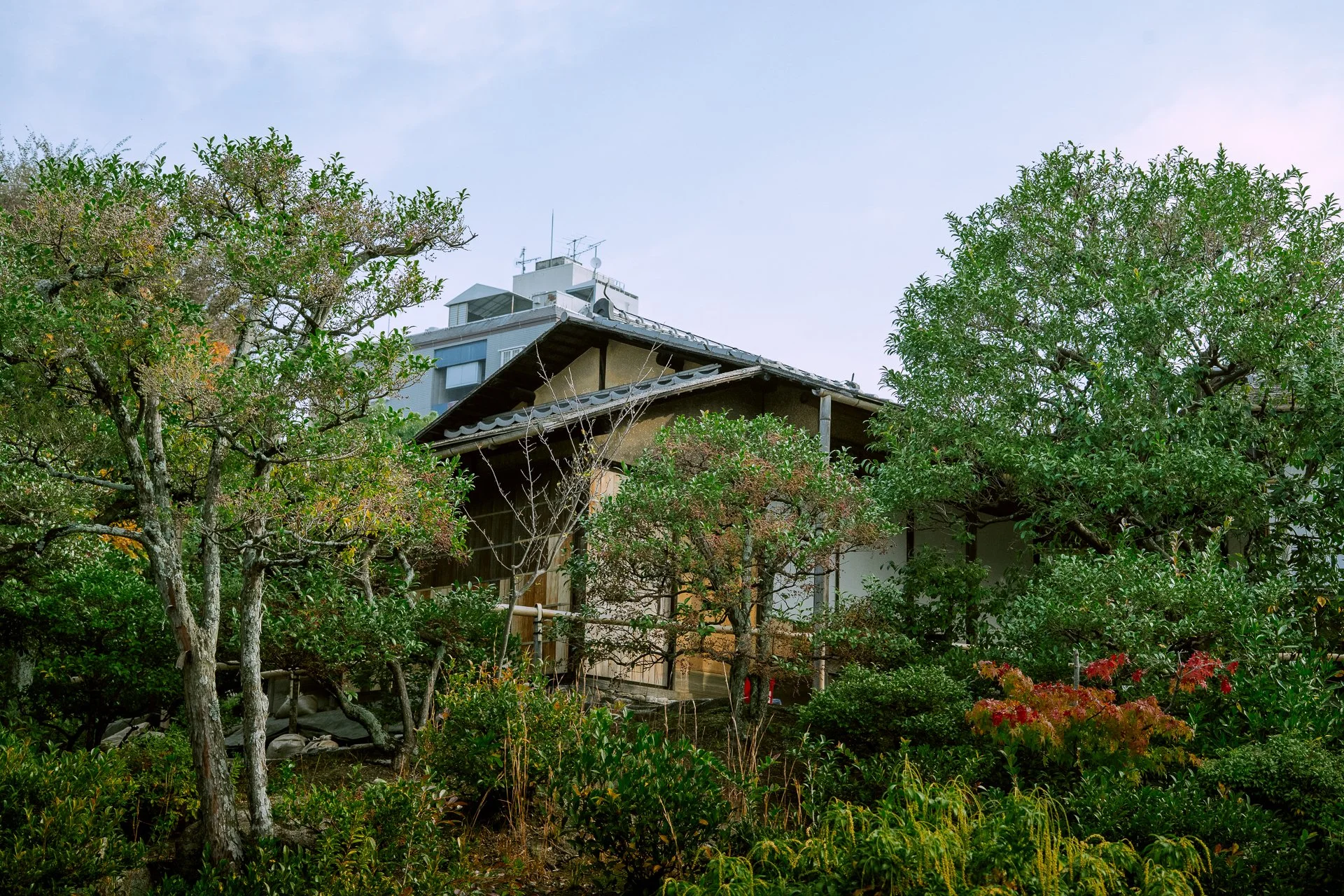
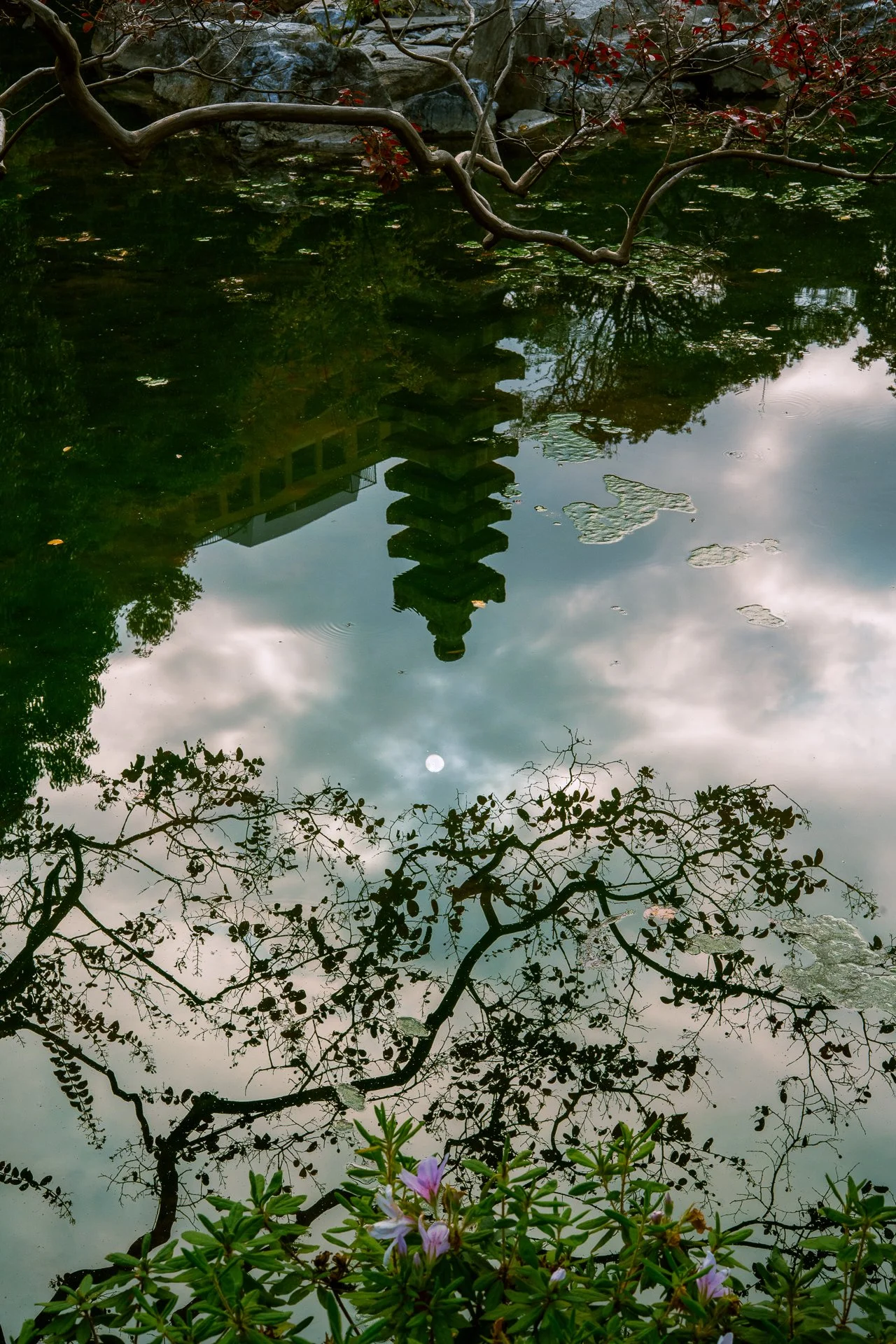
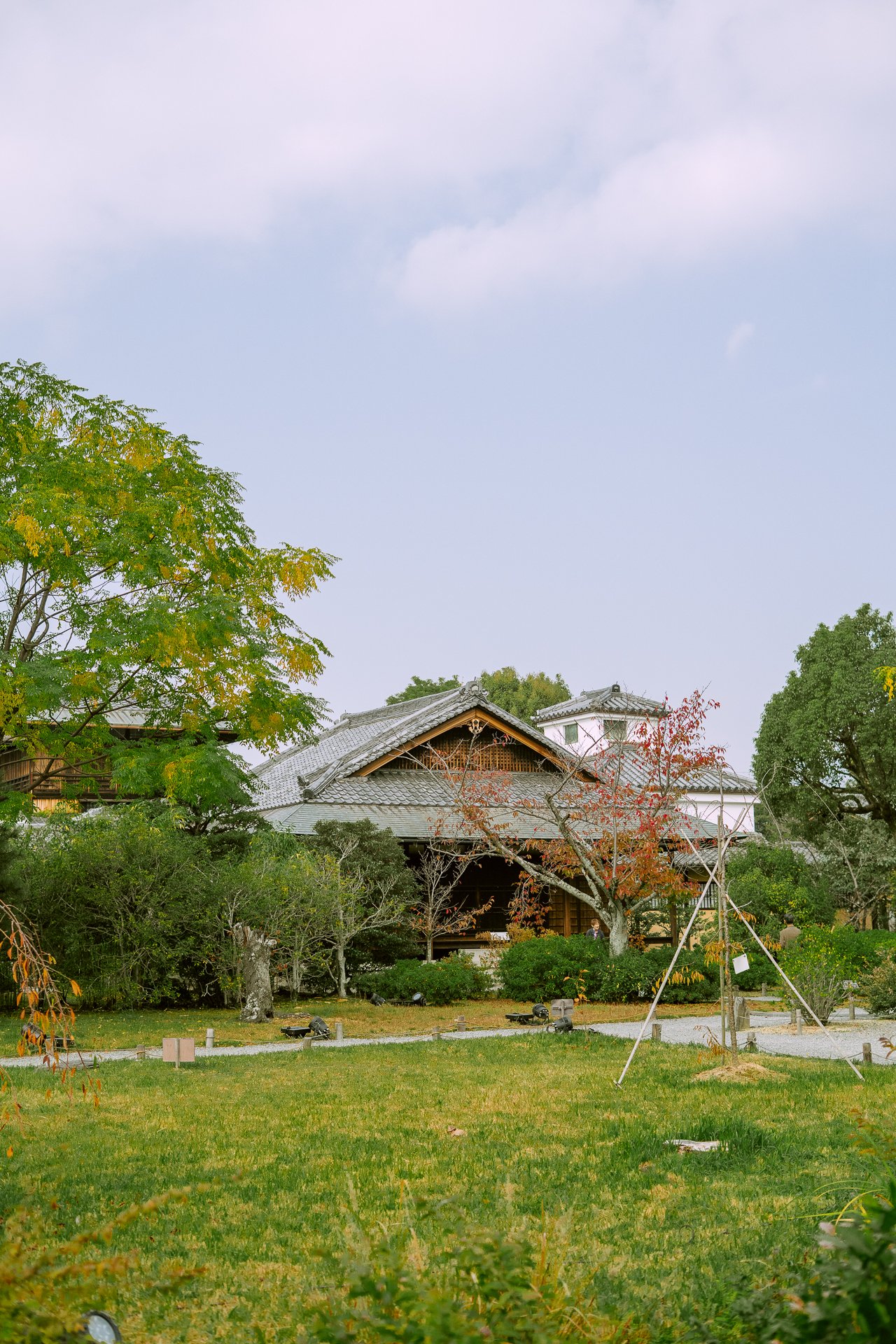
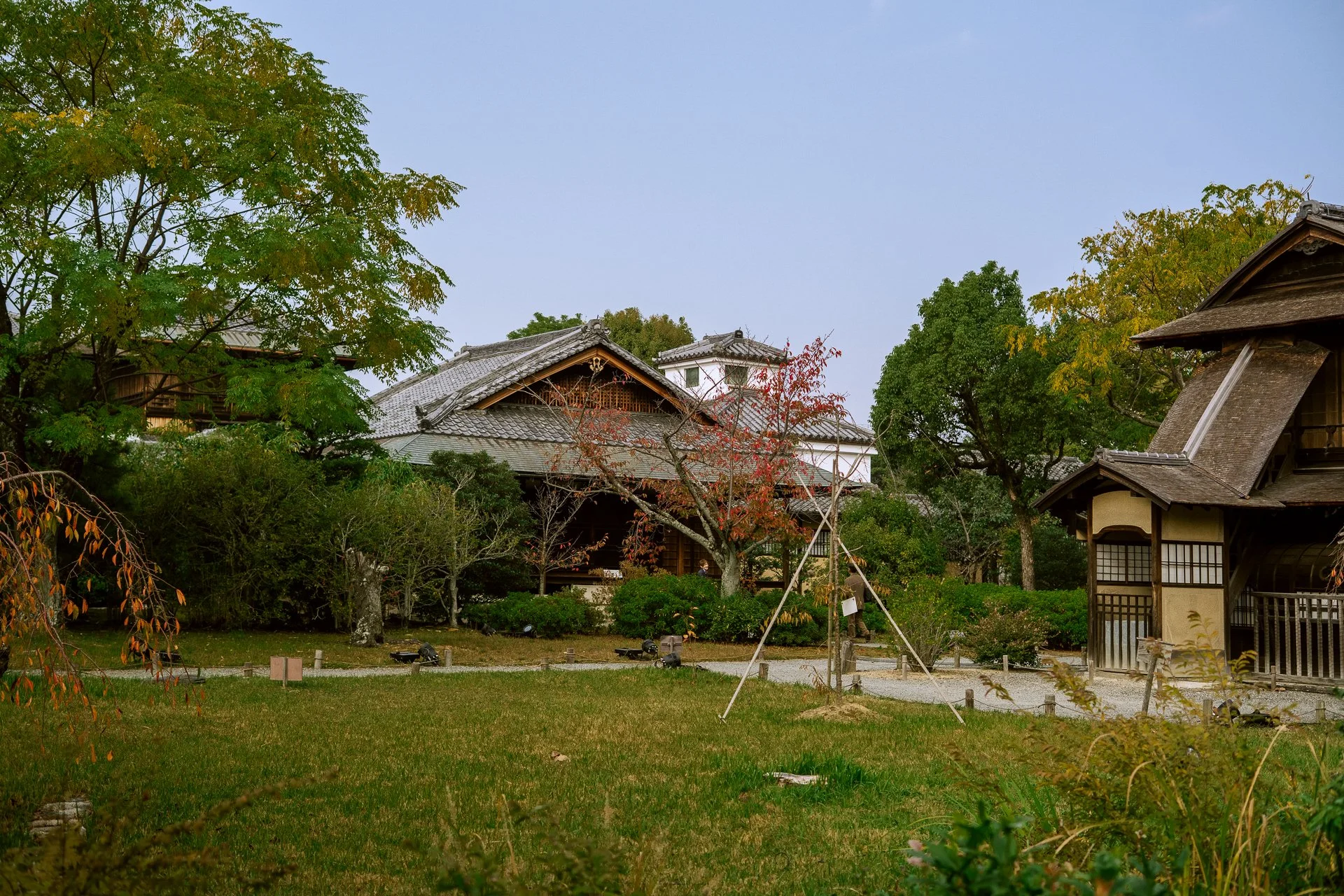
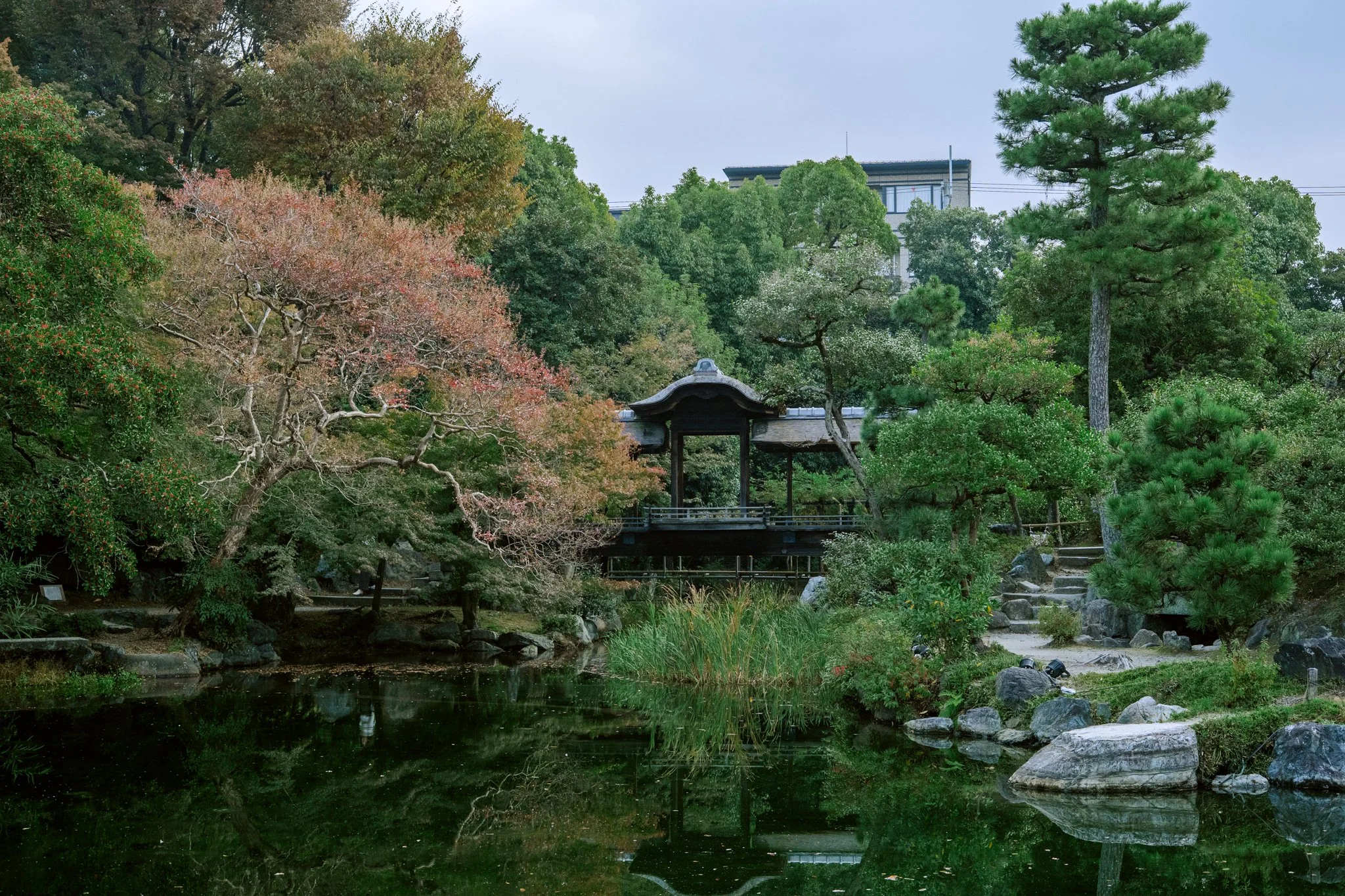
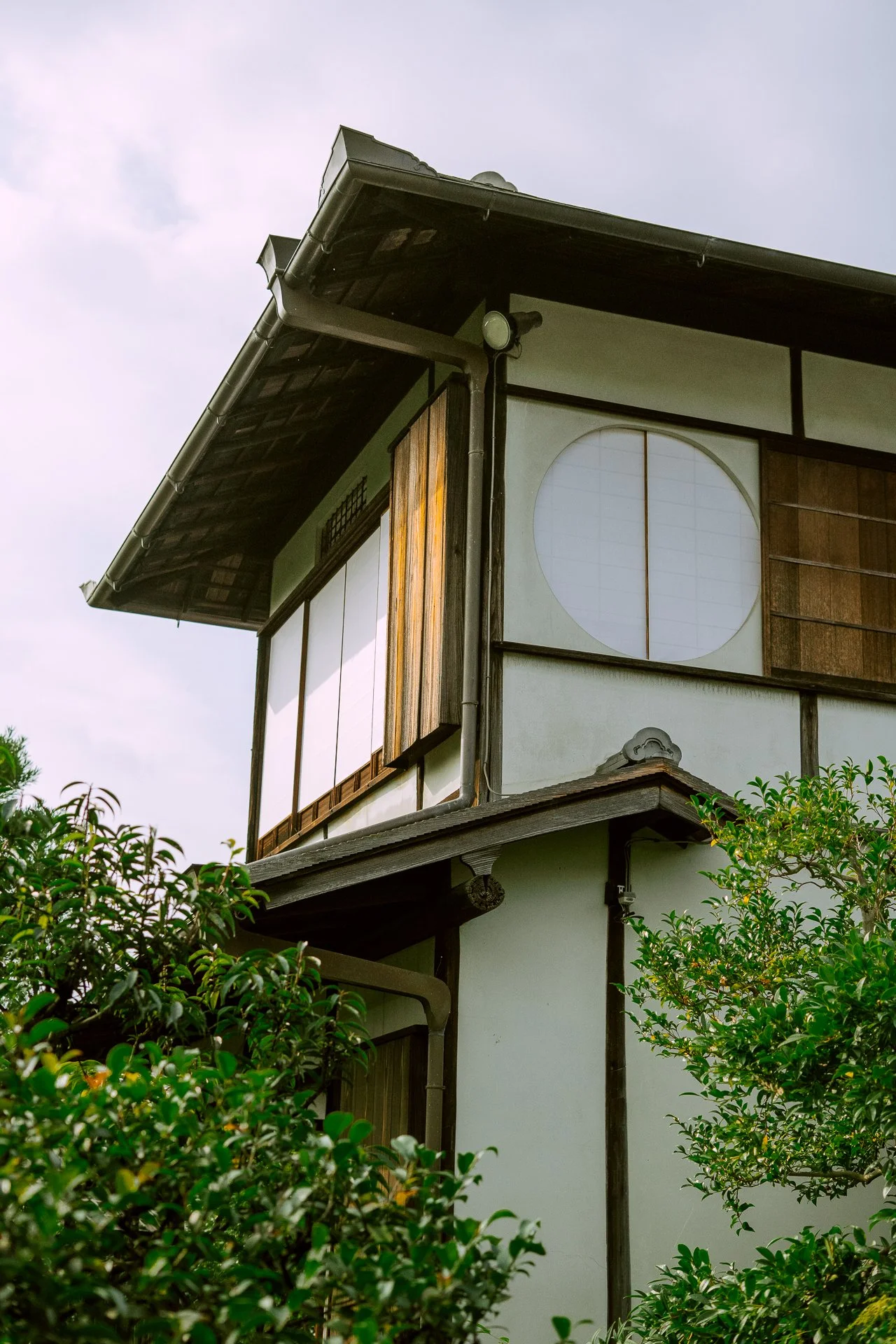
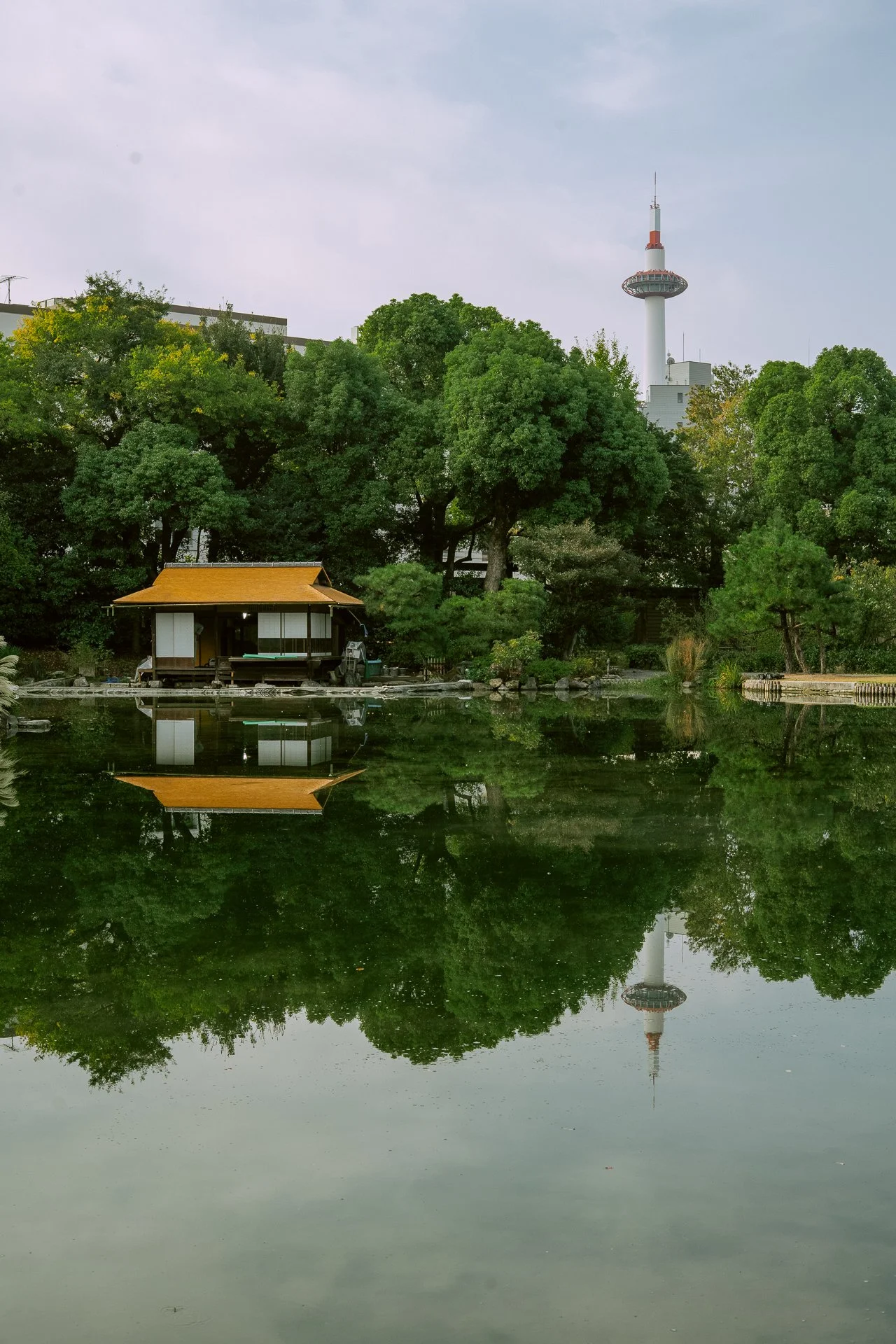
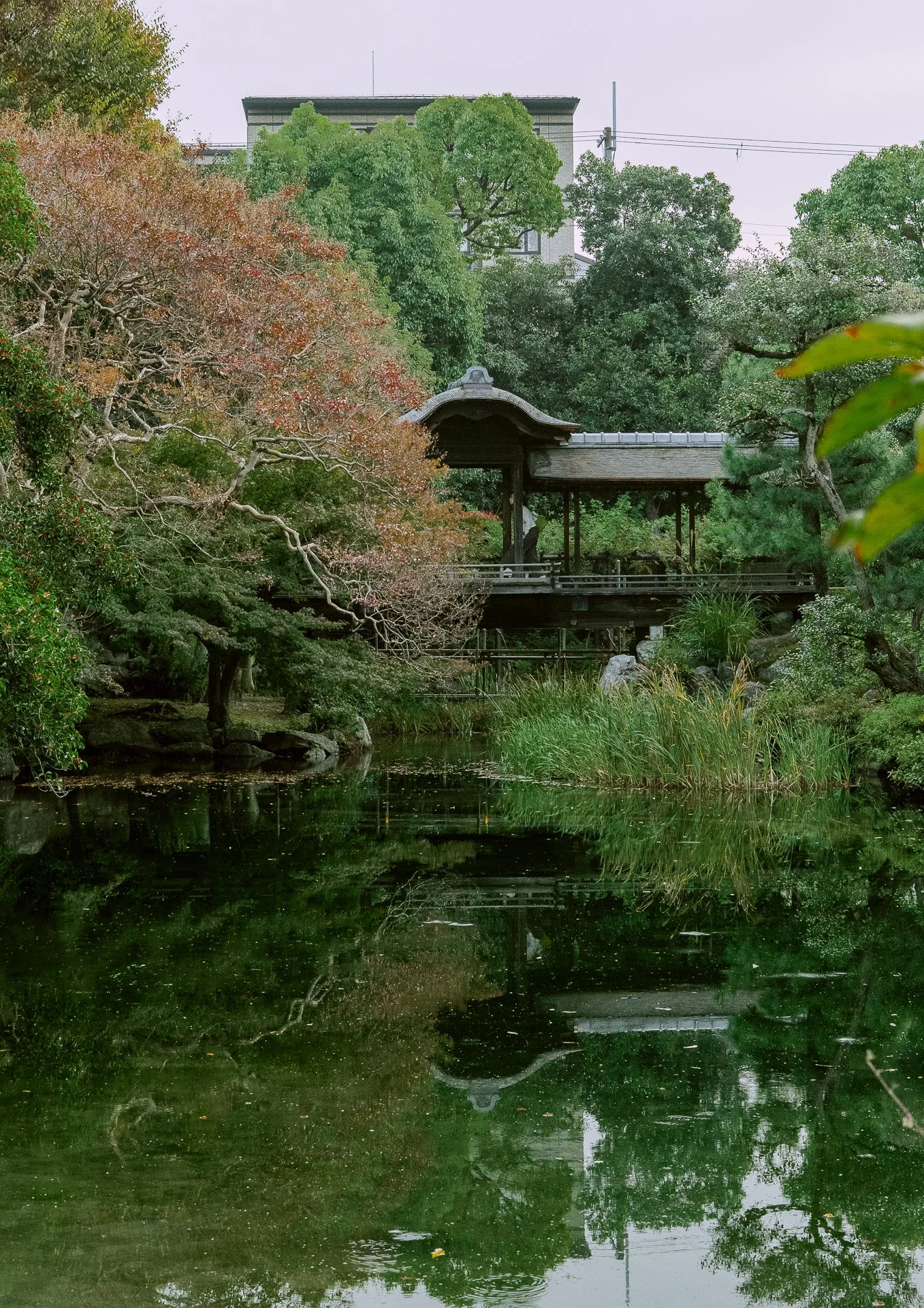
Final mornings in Kyoto are weepy affairs. I felt like I’d barely seen all that Kyoto had to offer, but hey what are you going to do about that right? Visa rules and all. Our final morning in Kyoto gave us a bit of wandering around time. There was a long-walled compound that called out to me. It was right by our hotel and the decorative wall always caught my eye every time we stepped out. So I did what any “geographically curious” anyone might do. I looked it up on Google Maps and turns out that it was a garden. It looked pretty nice so we decided to take a leisurely morning stroll and I’m so glad we did. To begin with, there were hardly any other people. The entire sprawling garden with little zen pavilions, ponds and bridges, machiya teahouses, mossy corners and just five other people.
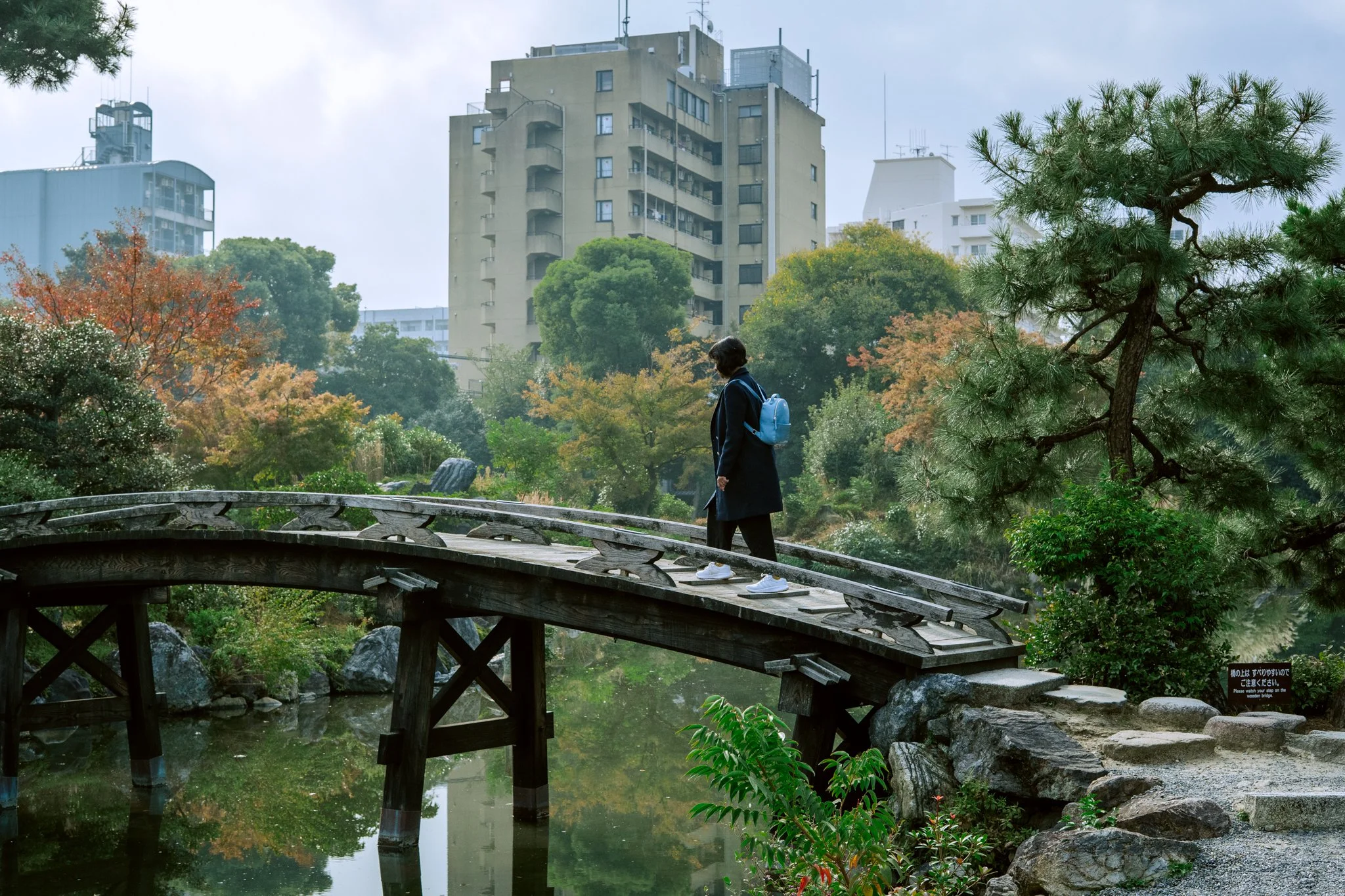
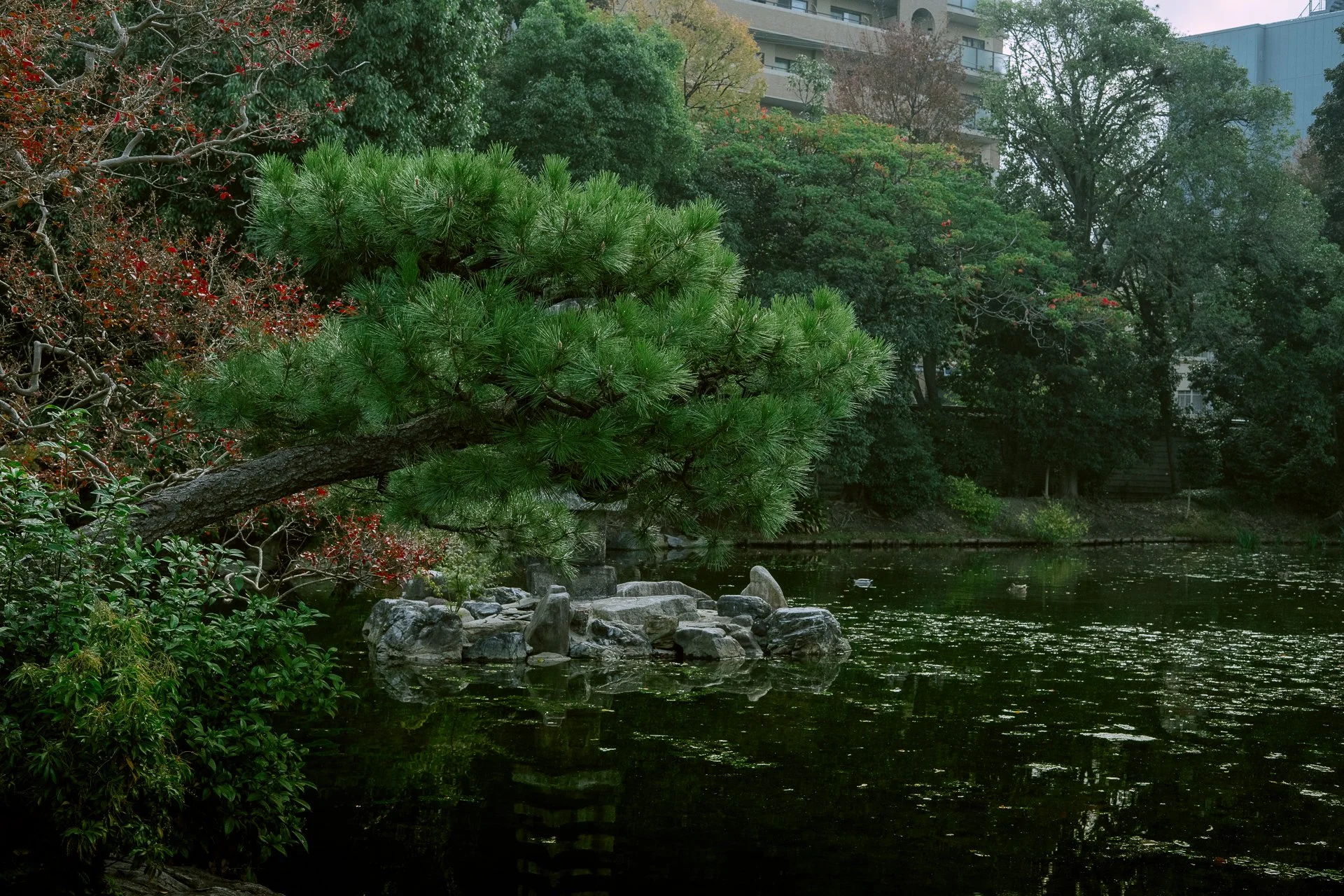
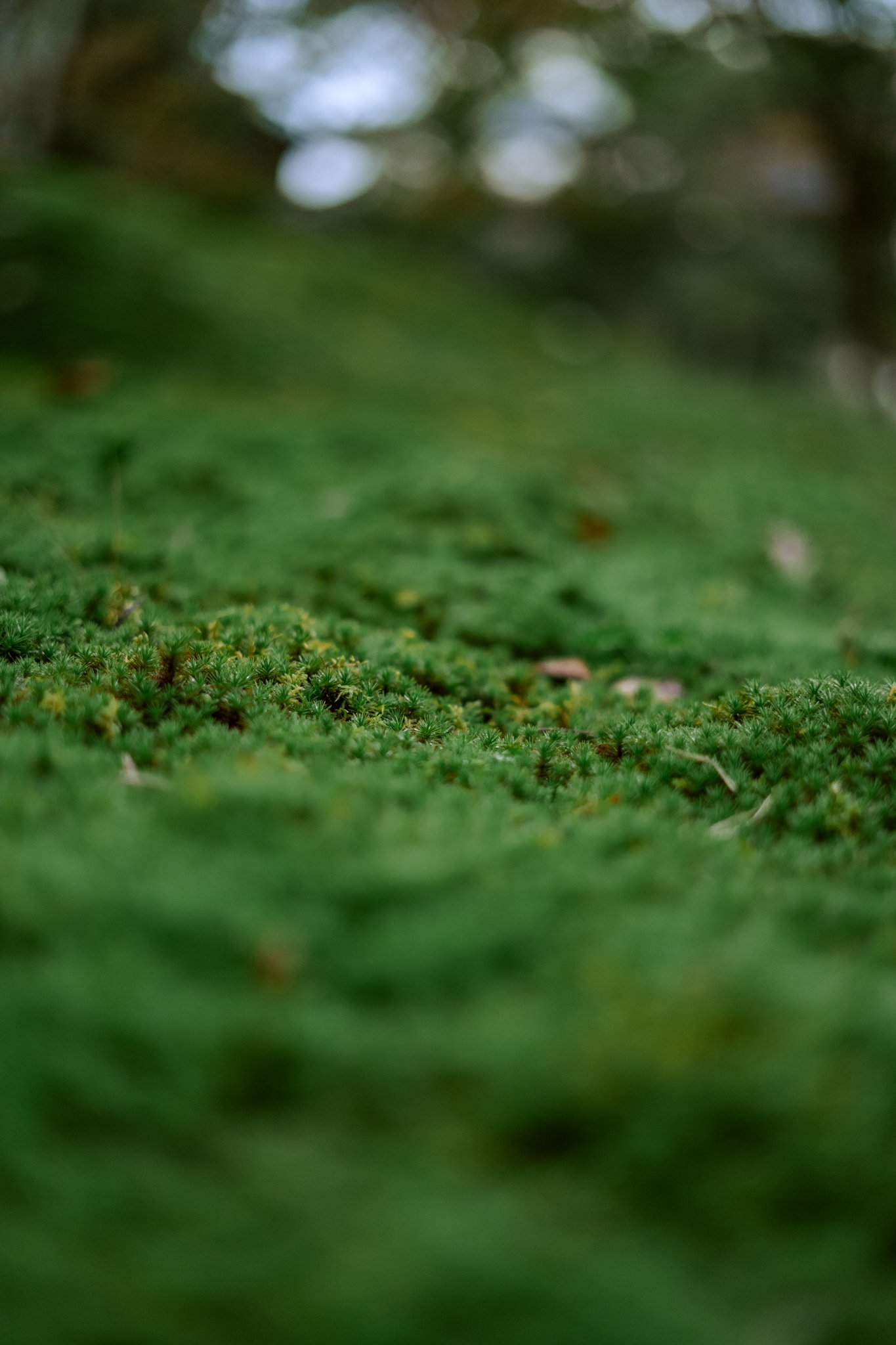
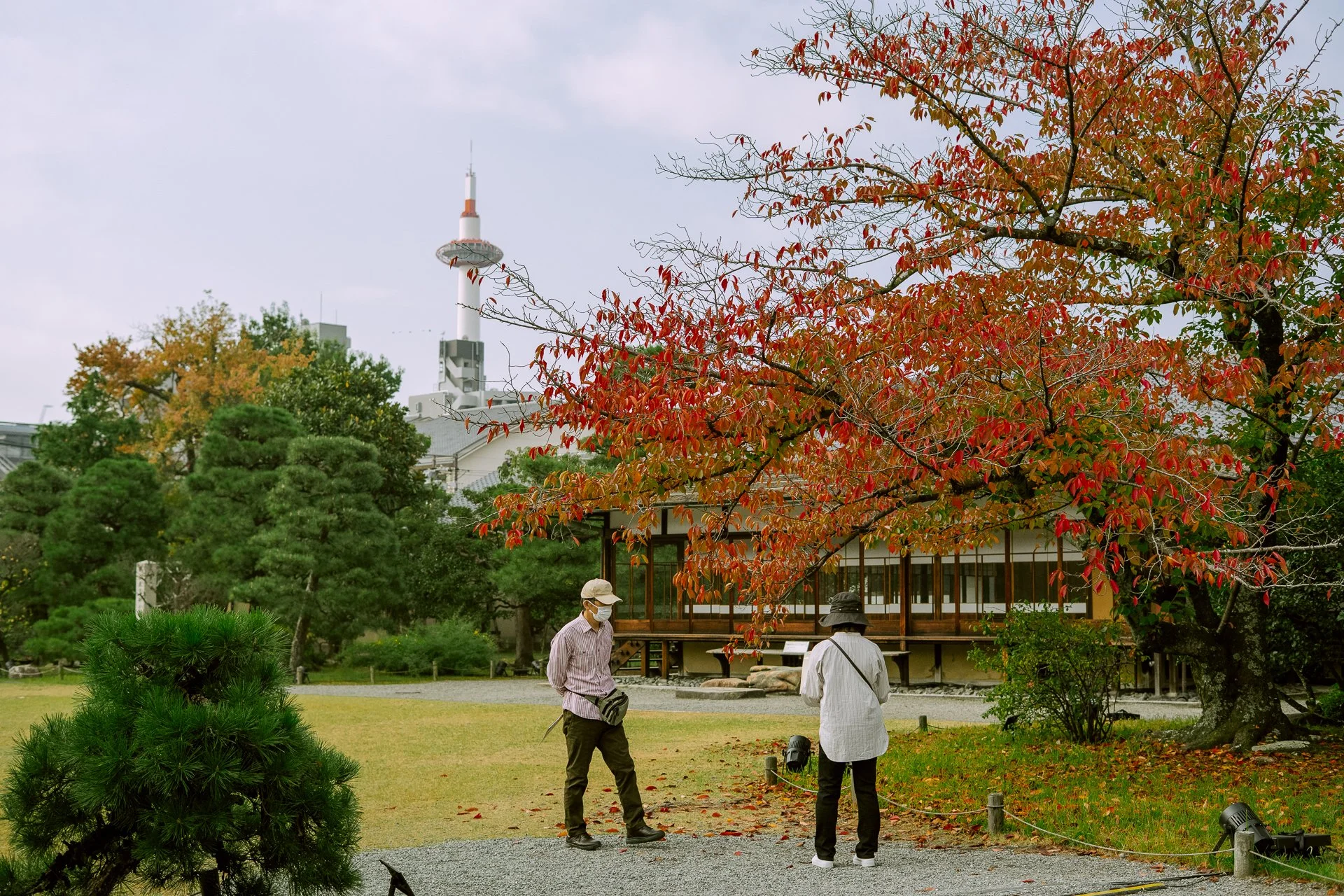
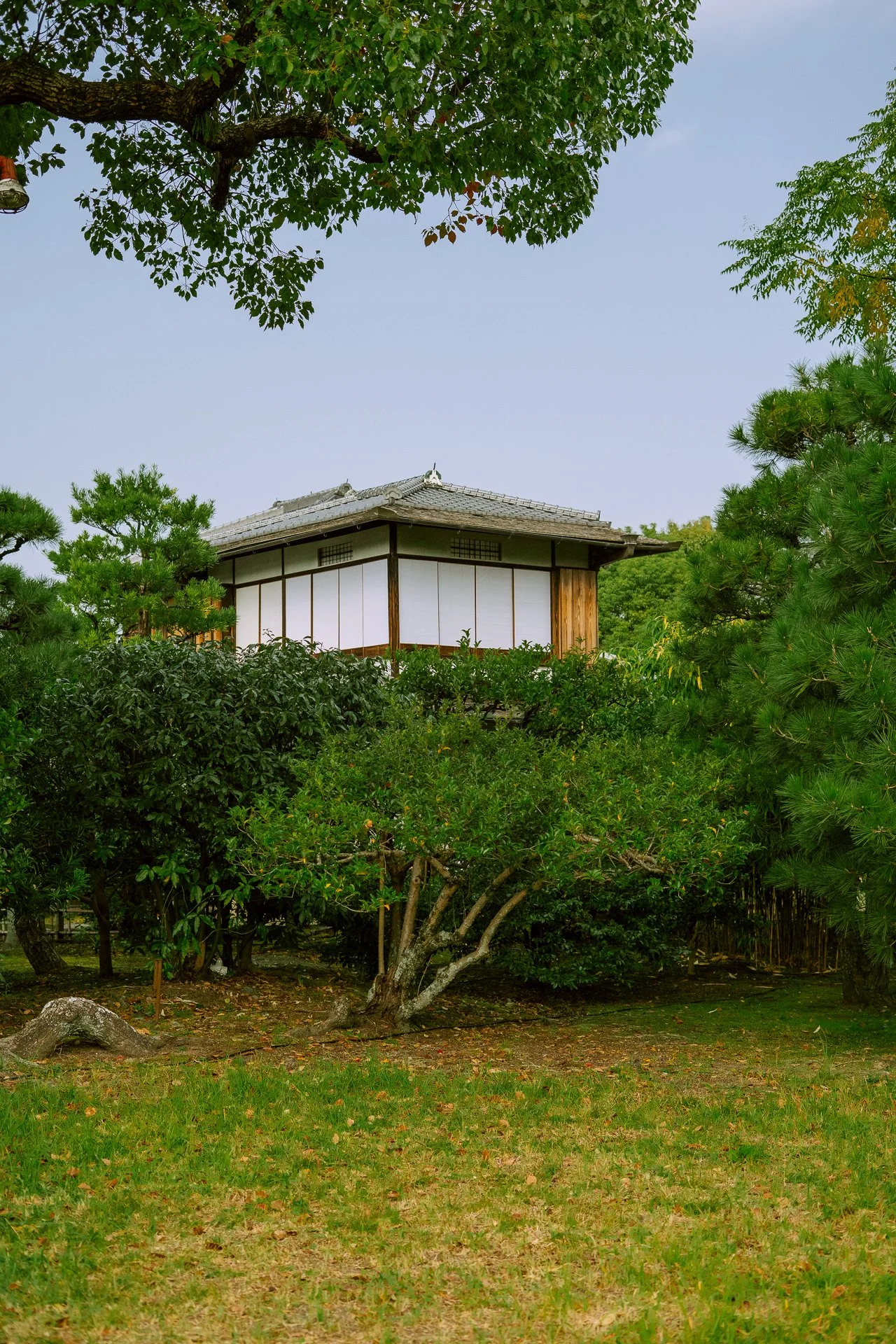
The Shosei-en Garden gives secret garden feels - within the walls, it’s a verdant world of calm upon which time wields a light hand and yet, in the horizon the city breathes, not quite boring down upon you, but reminding you that you have a life to get back to. The Kyoto Tower hovers in the horizon, like a spaceship-shaped outpost of real life and real time.
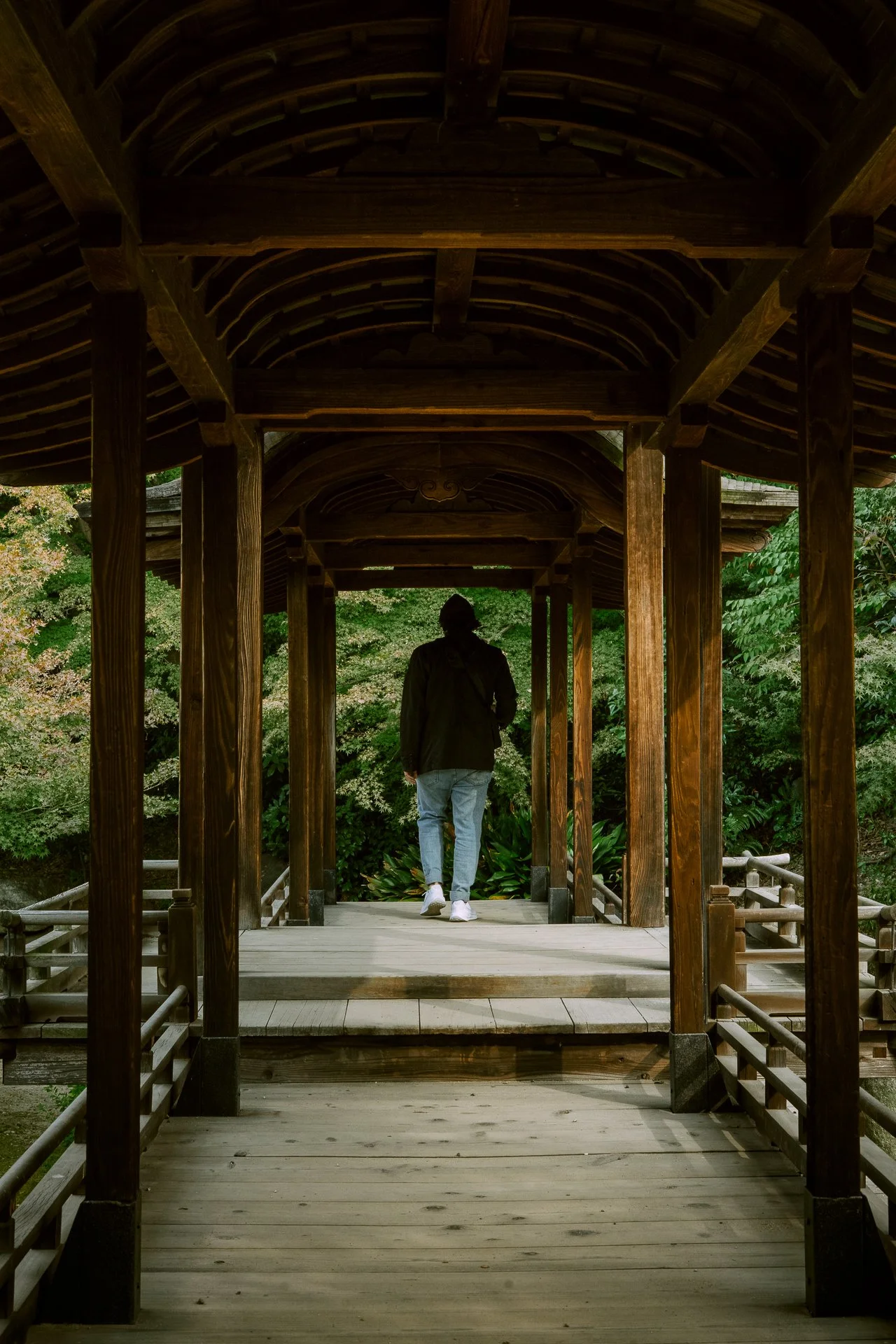
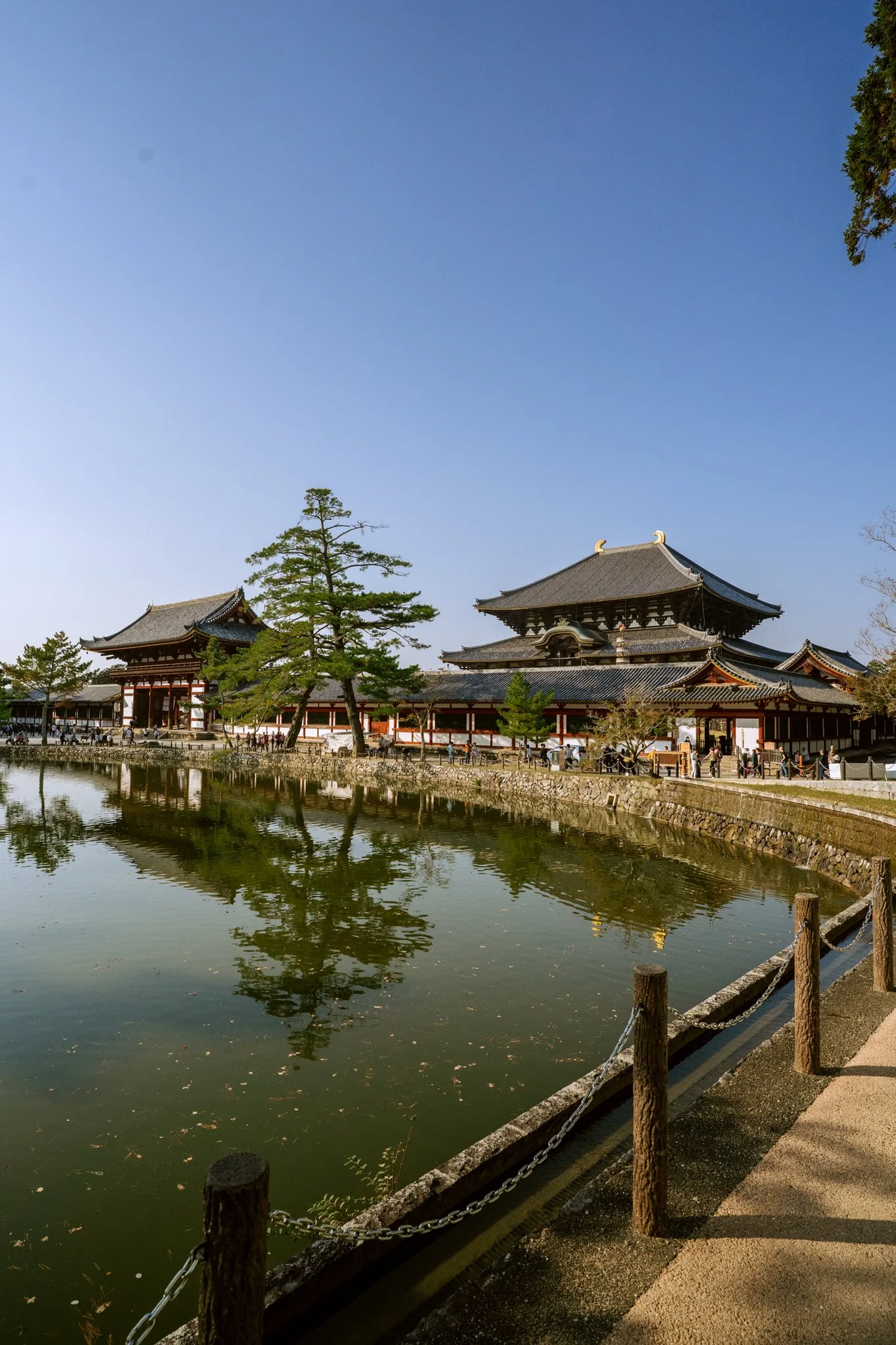
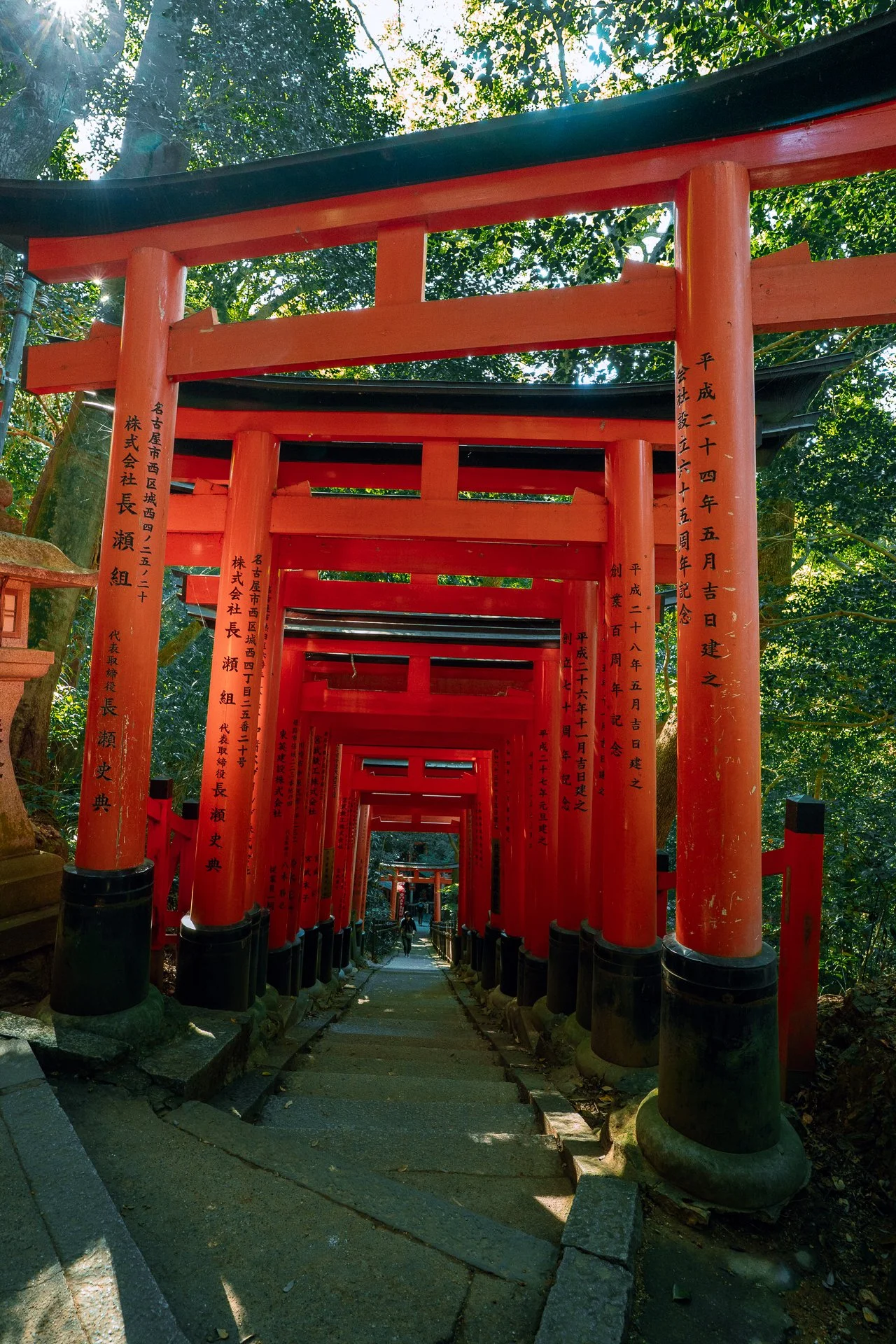
Honestly I could spend hours in a garden such a this. While Kyoto has its fair share of must-dos, in my opinion, the only must-do is walk; and pop into any place that calls out to you. This garden is in fact a part of the massive Higashi Honganji Temple. I don’t know why we never went there, given it’s right by the station. Its tall ornate gable, along with the Tokyo Tower is one of the sights that greet you as soon as you step into Kyoto.
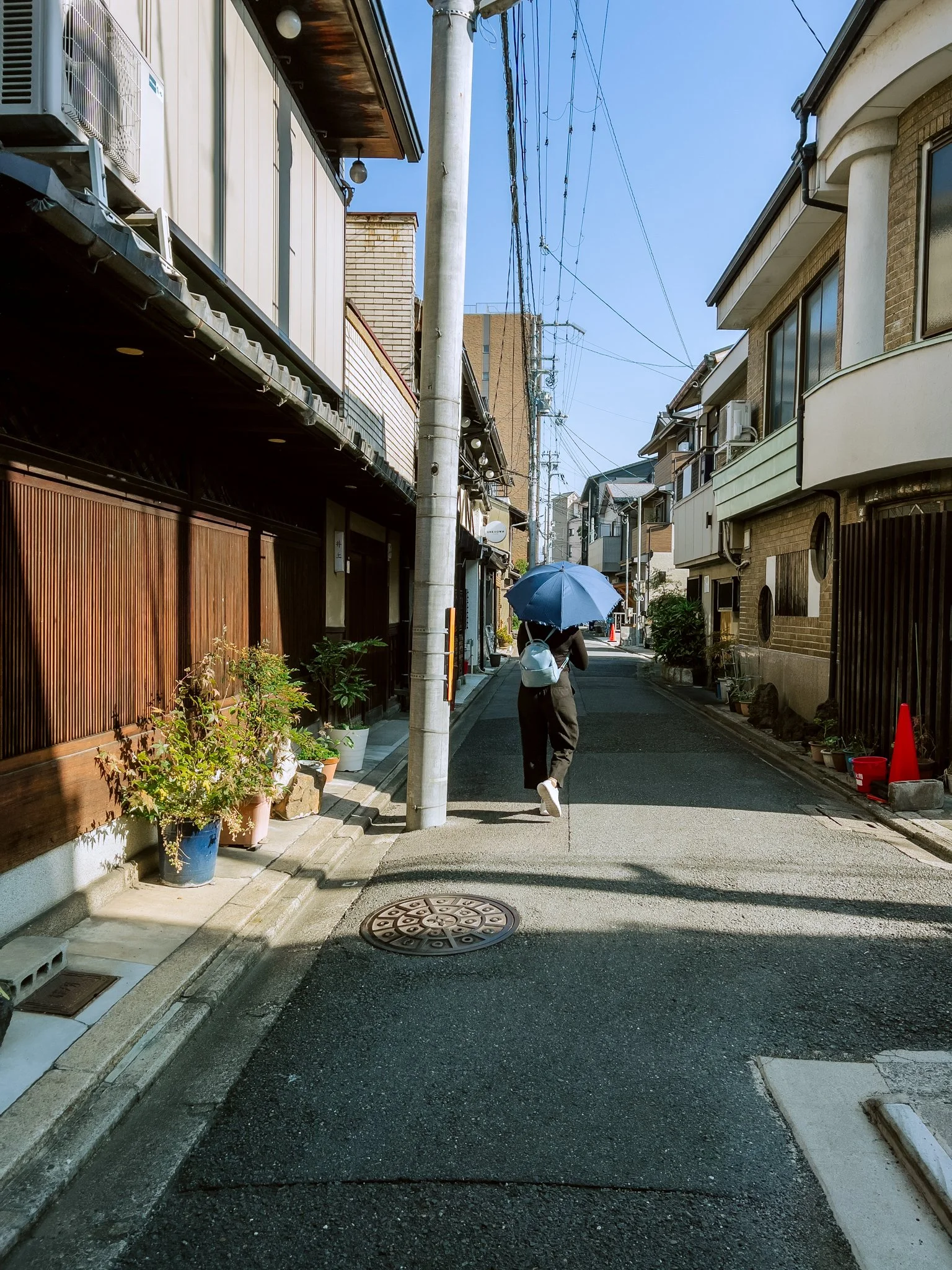
I have mentioned this before and I will say it again. Even though common sense would have me warn you off Kyoto, there is a certain mystique that it carries. A weirdly old-world aristocracy. You get to observe the Nihon-ness of things. Waiting in line for a seat at a good place - that felt like an overkill until I came to Kyoto. Seeing the locals waiting patiently for a meal they probably enjoy every week, shows a kind of emotional investment, a little heart in the matters of the stomach. The sweet lady who sold matcha sweets calling Sahit as “matcha boy” in reference to his green T-shirt - a bit of provincial niceness despite being bored out of their brines by touristy gauche. I would experience this in the future, in my second trip to Japan. But on this trip, it felt like a wholly different from the Tokyo personality.
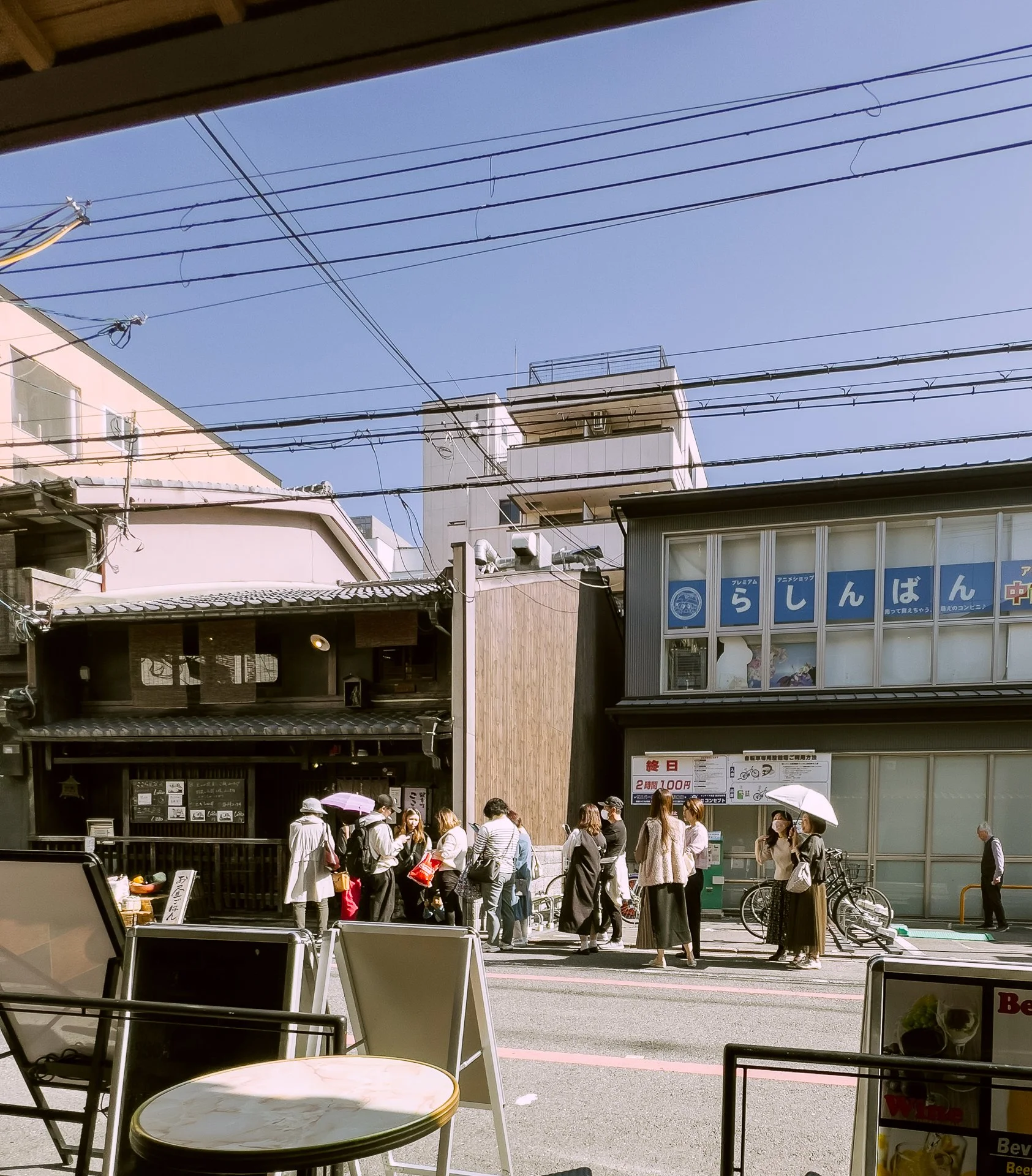
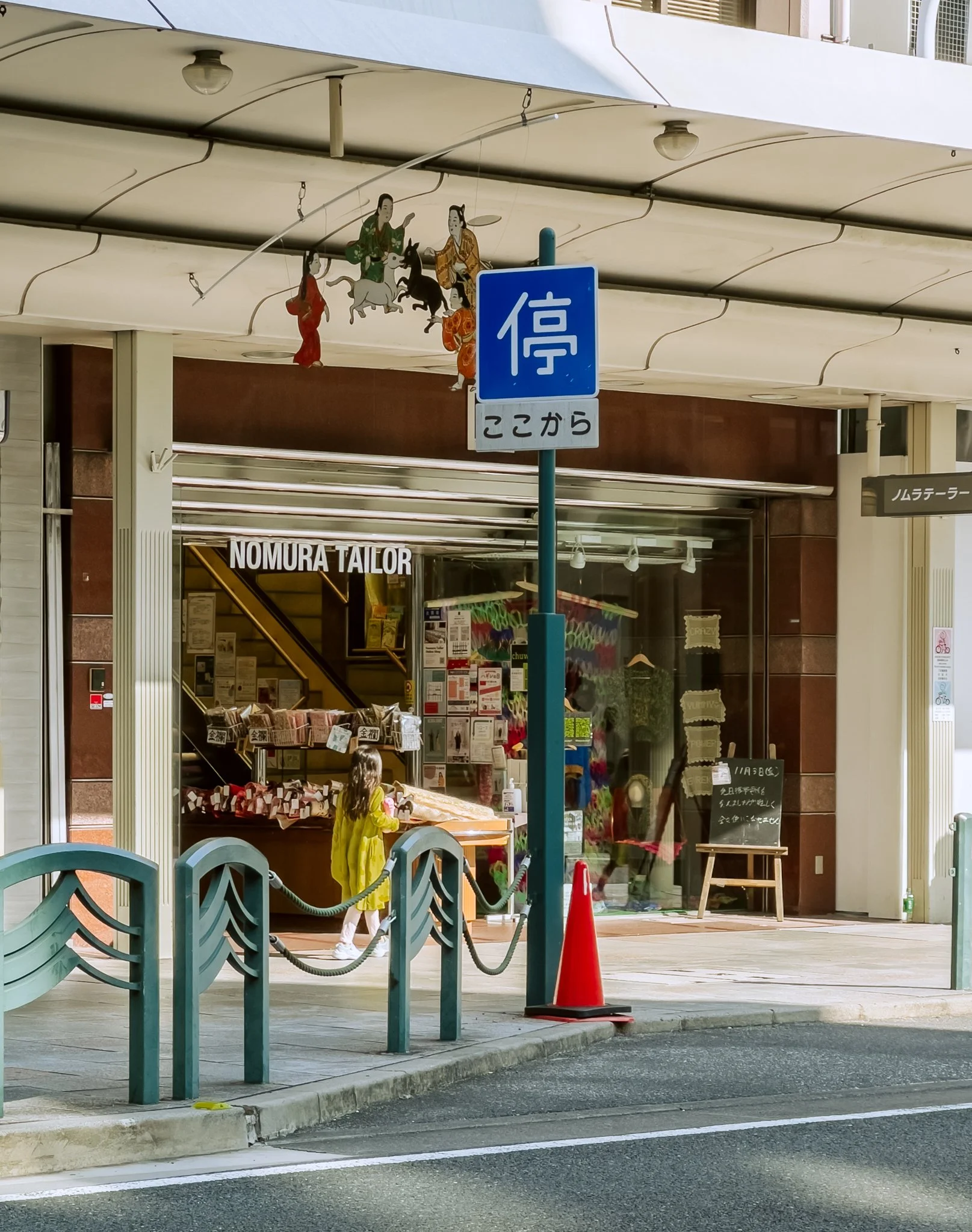
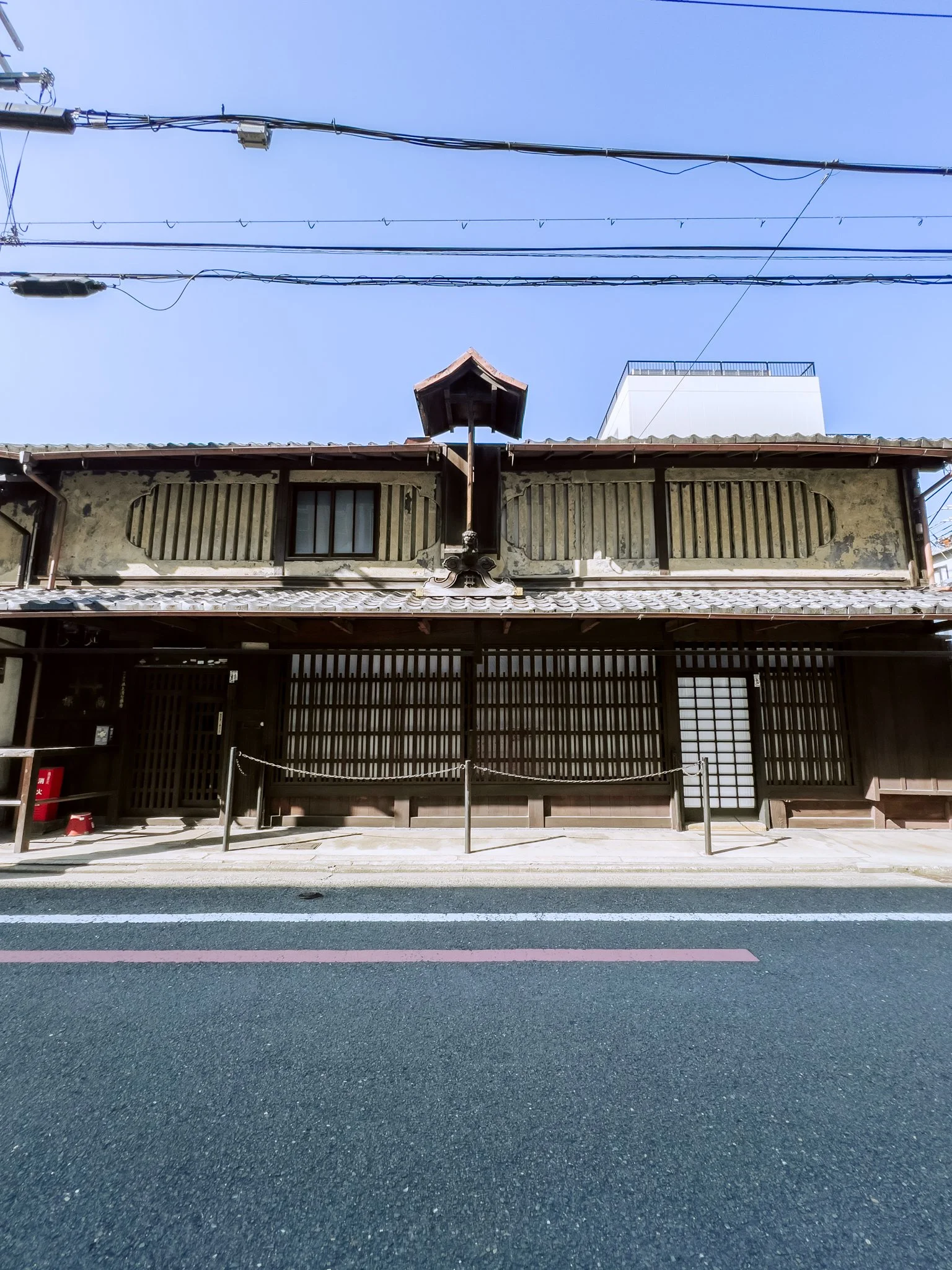
We walked recollecting the magic that was Kyoto. We had walked down Hanamikoji Street the previous night - the famous geisha district. There are rules, that you’re not supposed to photograph or bother geisha - they are working women after all. But you never forget the lift in your heart, when a cab pulls right in front of you, and a magnificent, painted face graciously steps out. A living creature of myth and magic. You don’t forget a geisha walking in front of you, greeting the two old obāsan on the street, in the most “girl next door” voice. Her familiarity with the older women, a sign that she’s done with her cultural assignment for the night. You walk gingerly behind her, too afraid to even pick up your phone for a discreet picture. There are eyes everywhere, a reverse Eurydice situation. You’re terrified that this apparition might disappear if you’re caught photographing. So you learn to just be in the moment. Just the way Kyoto would have you do.