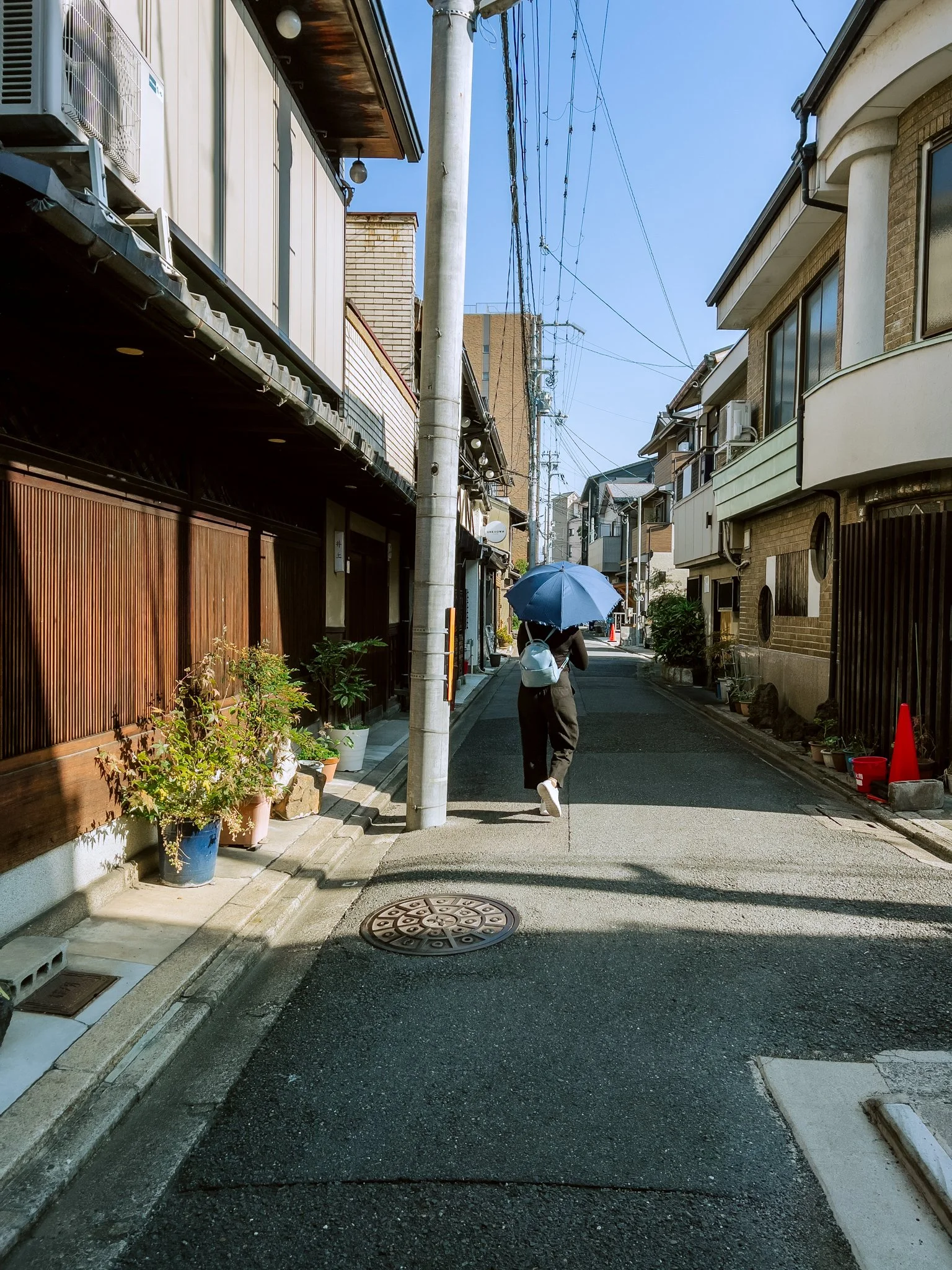
Kyoto Day Trip - Nara: A day of being a typical "gaijin"
I’m going to be really honest. Nara drained us out. So much that we did the most uninspiring version of discovering this place, whose name, according to an internet meme and a literal translation of its written characters means “Why good”. Like Why So Good in so many ways.
So, I’m truly ashamed to report that we just drifted with the crowds. And saw the very obvious, very gaijin (a withering Japanese term meaning foreigner) very meh side of this fascinating place. To begin with, we found getting there a little hard - though apparently it’s quite straightforward. We missed the right train, wasted lots of time waiting for another. Got hot, bothered and hungry as well. It was a whole thing. Let’s just say, if I get. chance to visit Nara again, I will be doing it very differently.
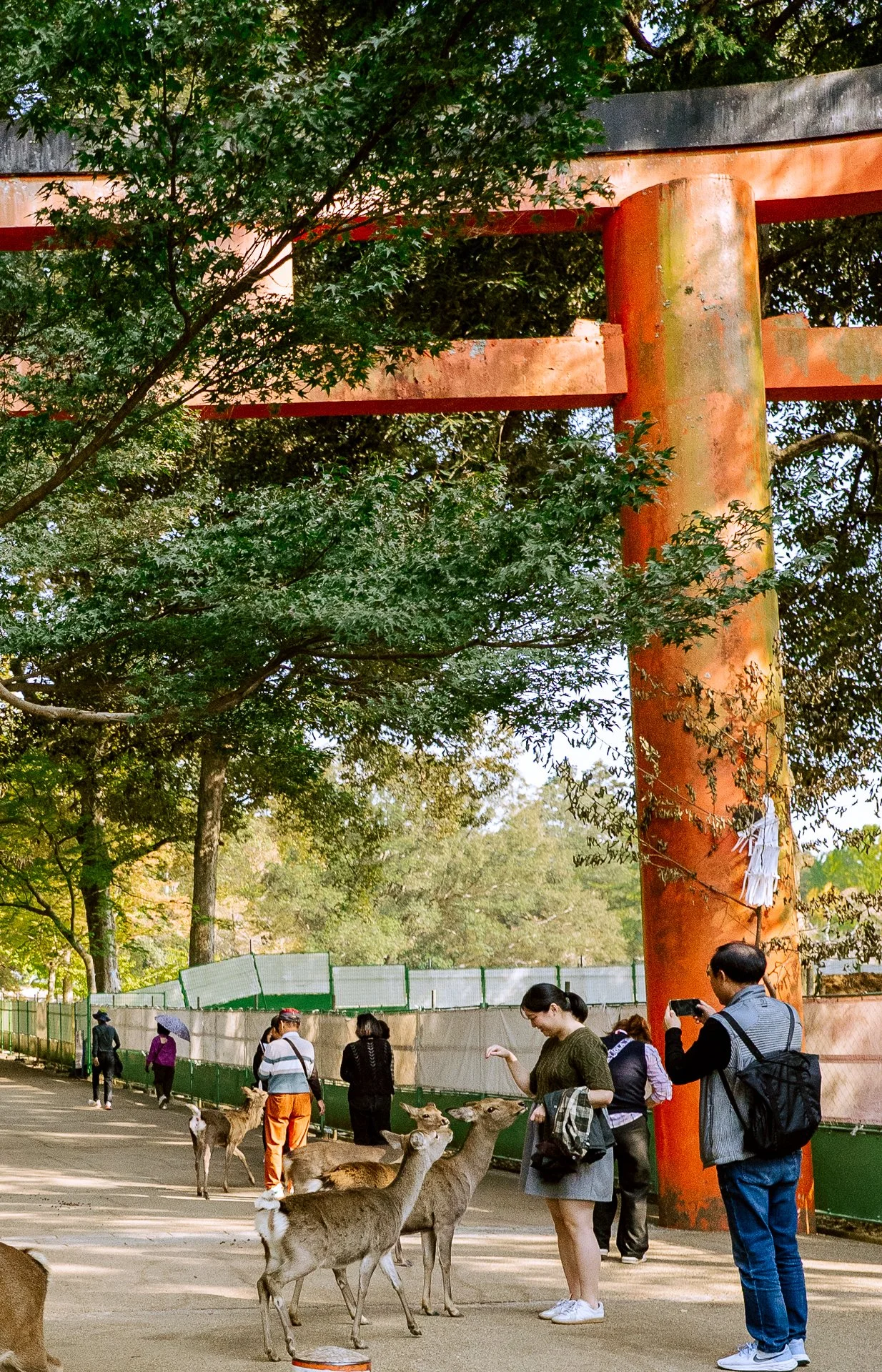
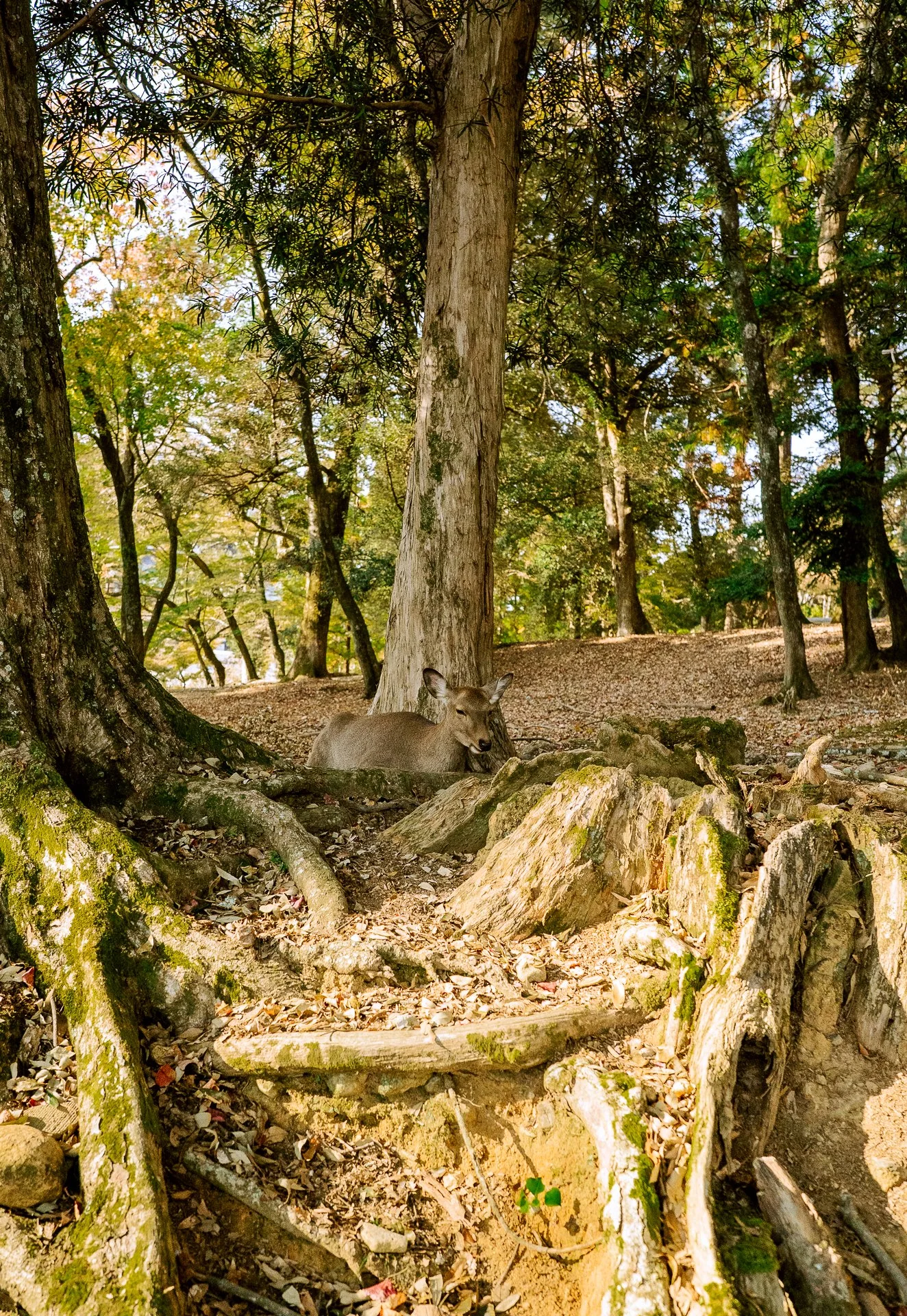
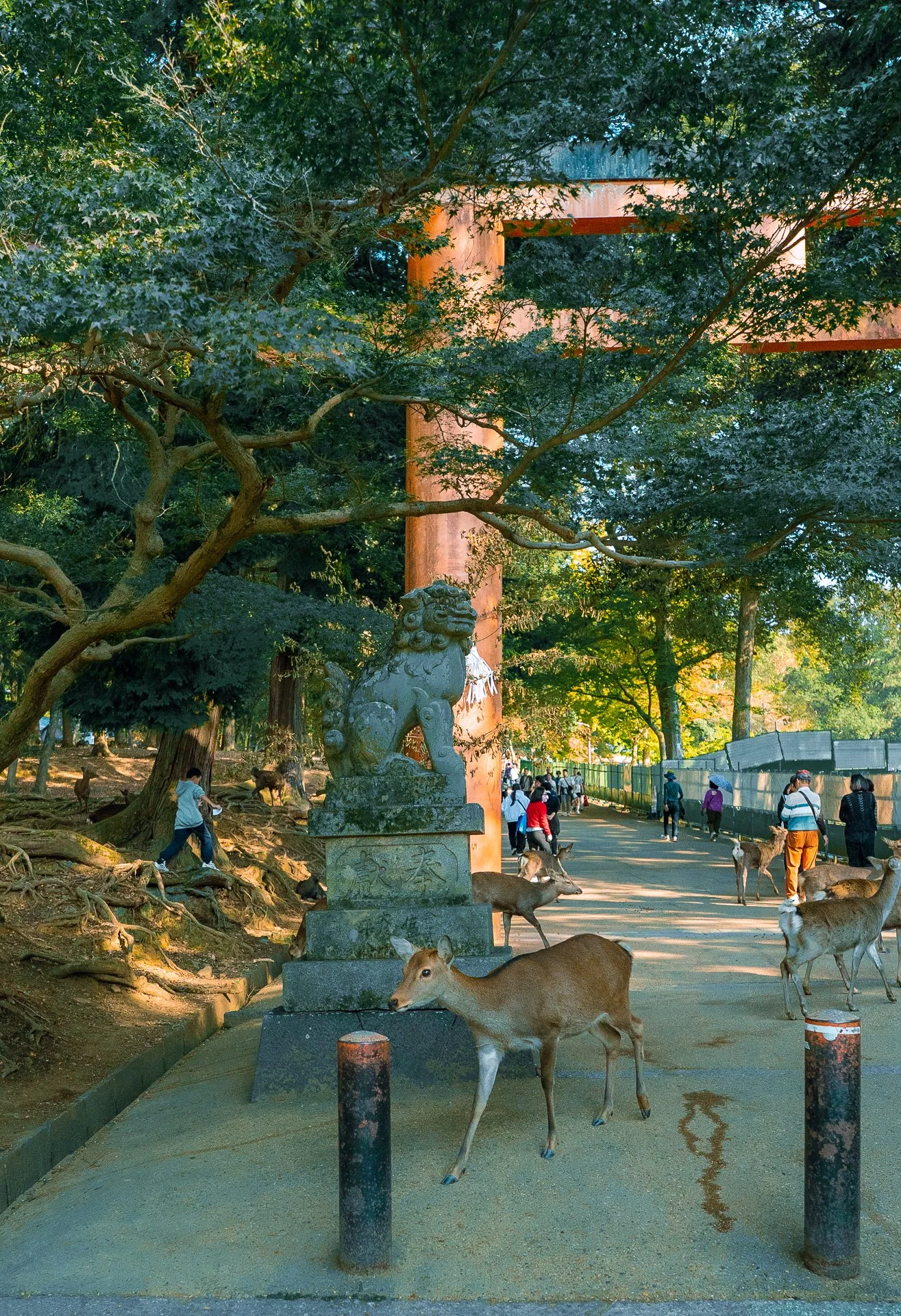
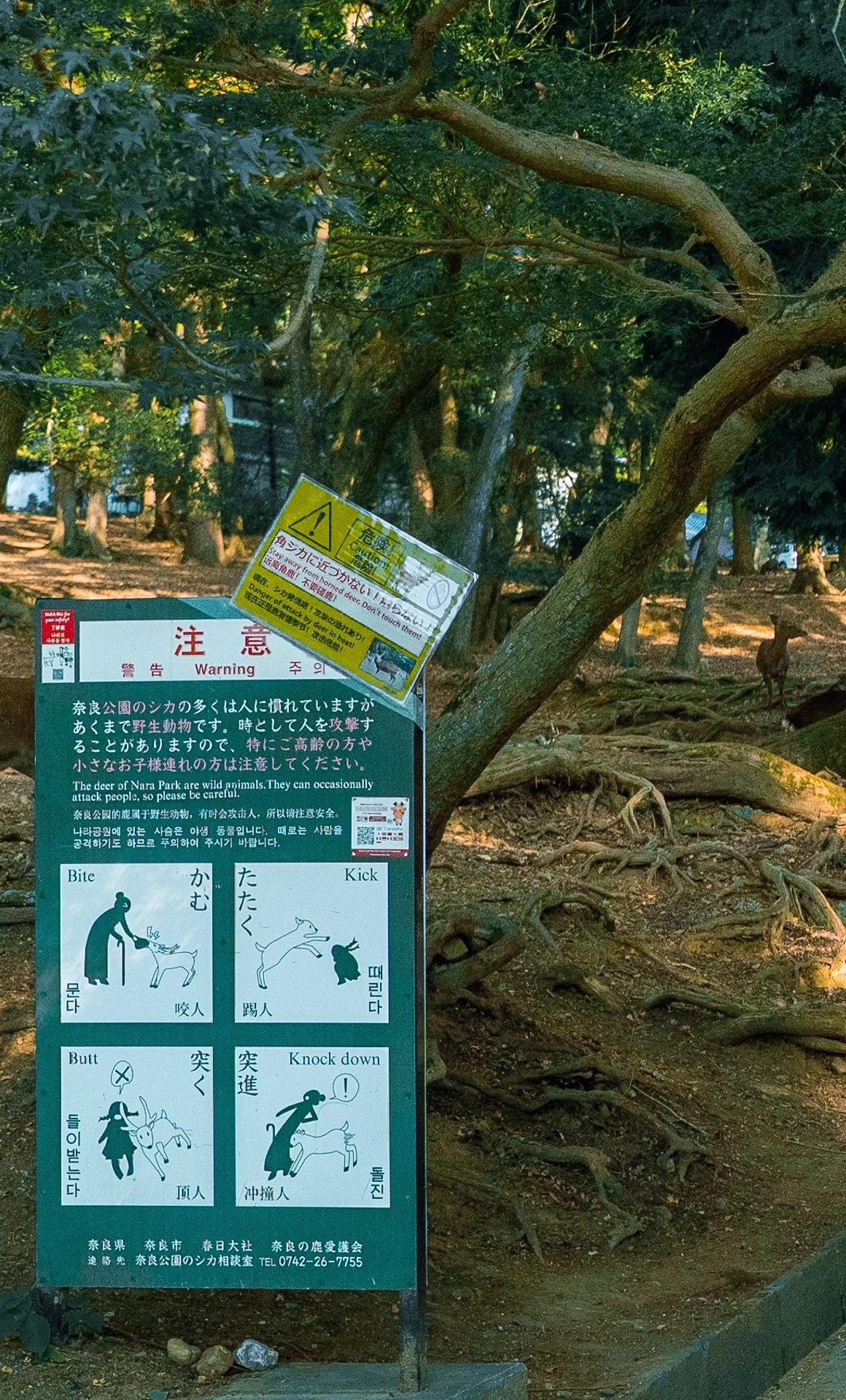
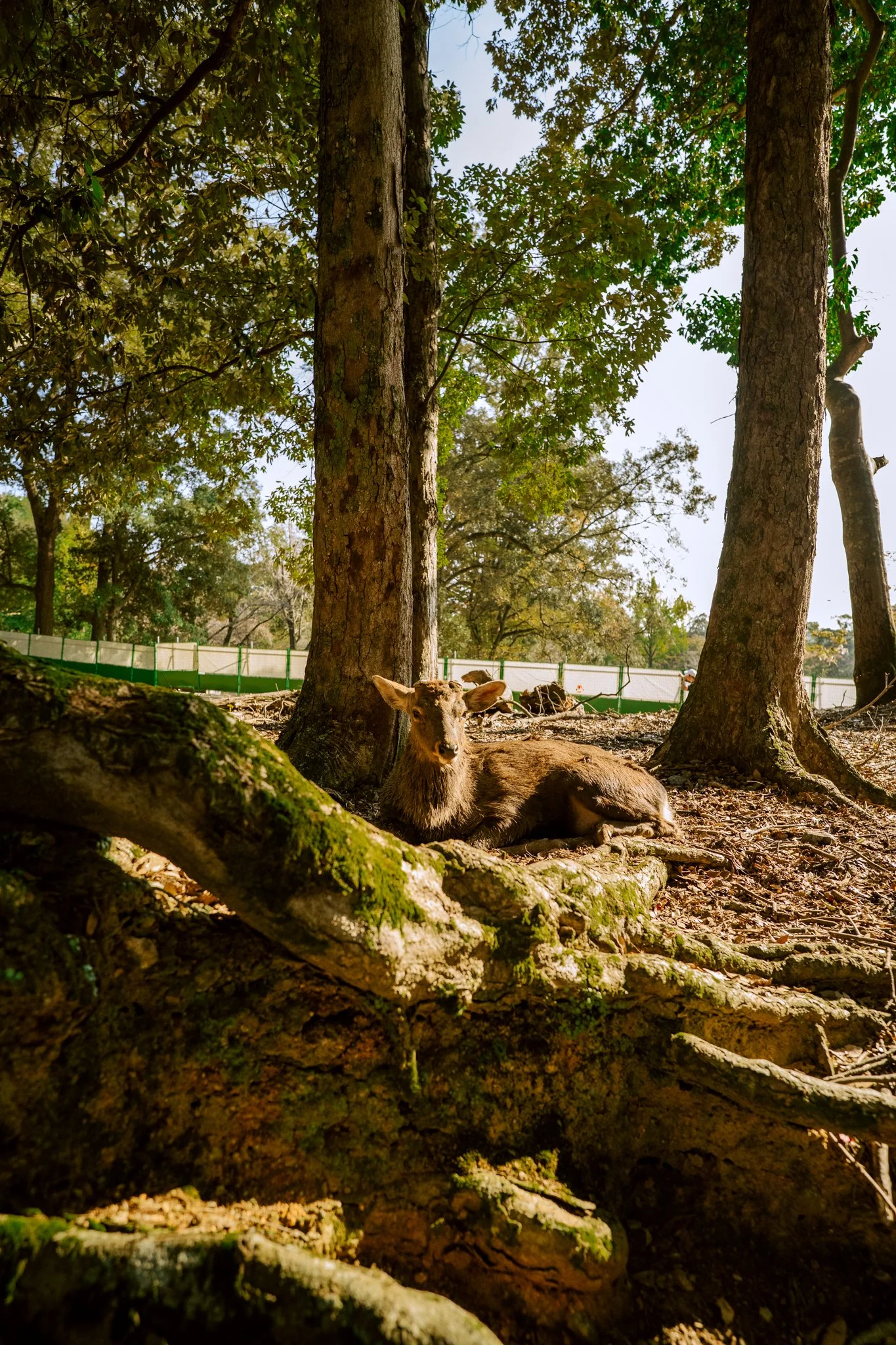
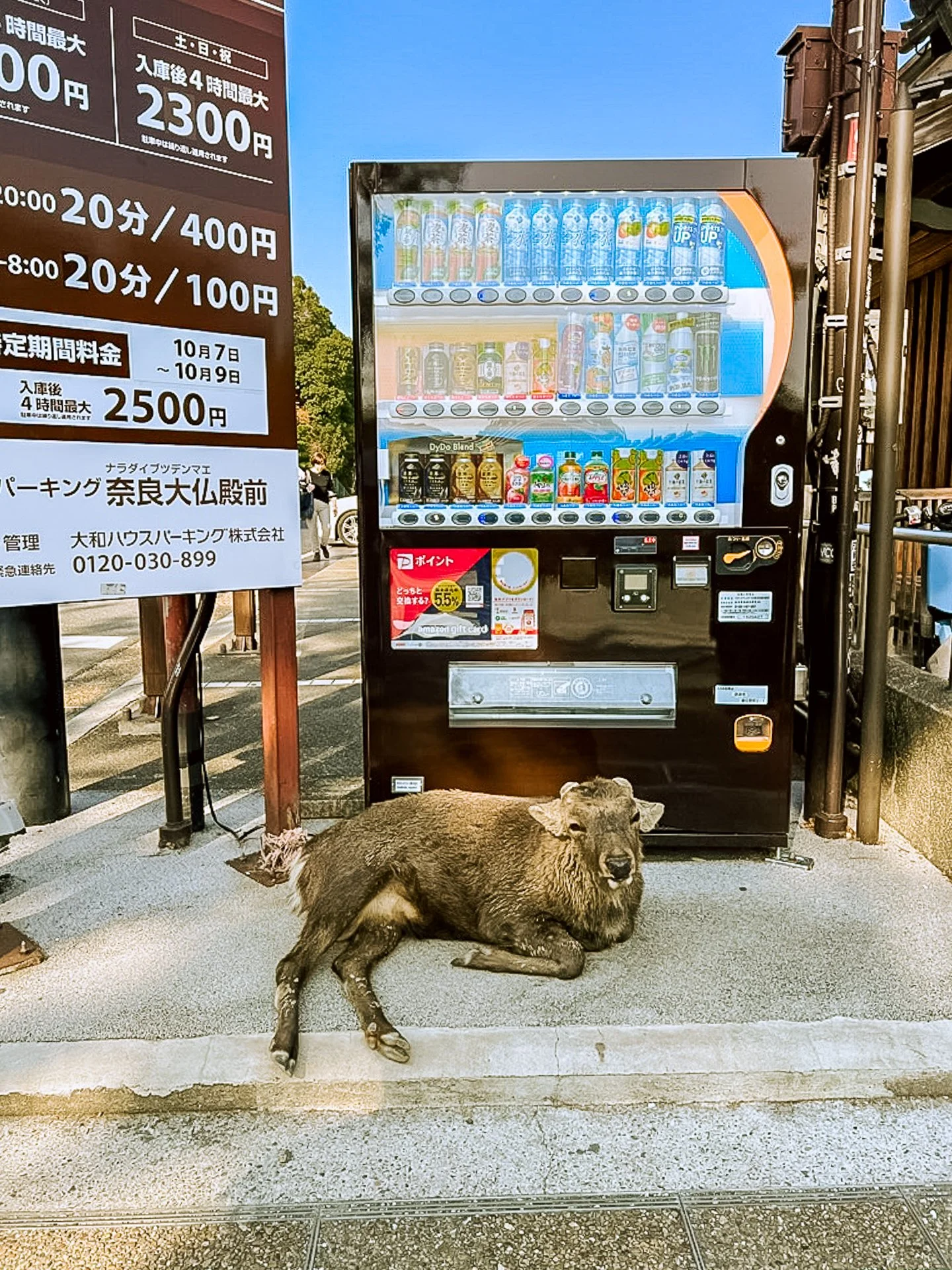
Then there was Nara - crowded, overstimulating, smelling like a zoo, Nara. If you go to Nara expecting Bambi, I’m sorry but these guys are more The Sopranos with cute faces and hooves. The deer are bullies - always scoping you out for deer crackers. The bowing gets old very quickly. The shoving was maddening. And I found myself feeling so sad at the commercialisation of these deer. While some of them are genuinely friendly, most of them are plain transactional. And manipulative. Make no mistake, they are beautiful creatures. But they are extortionists with antlers.
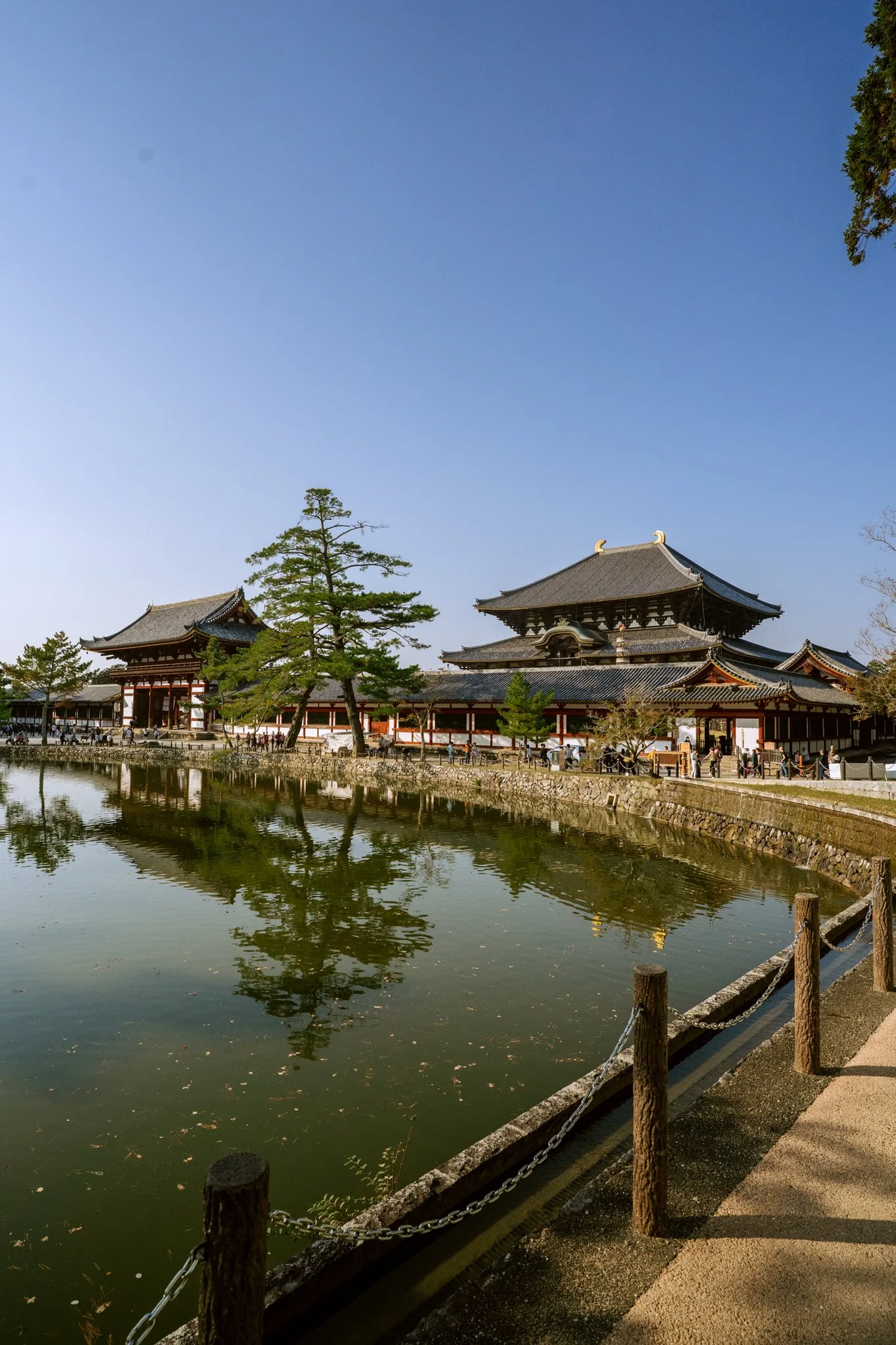
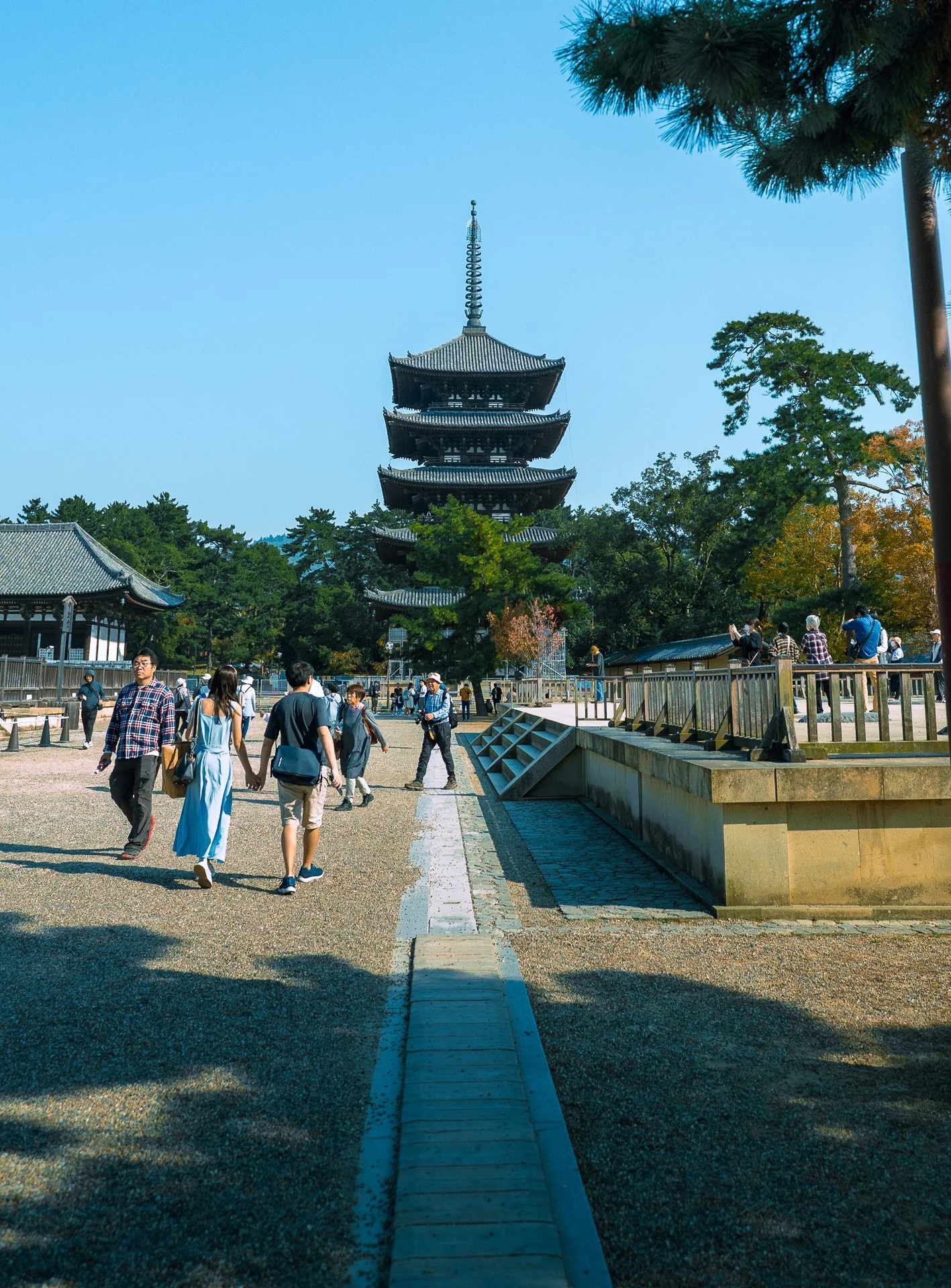
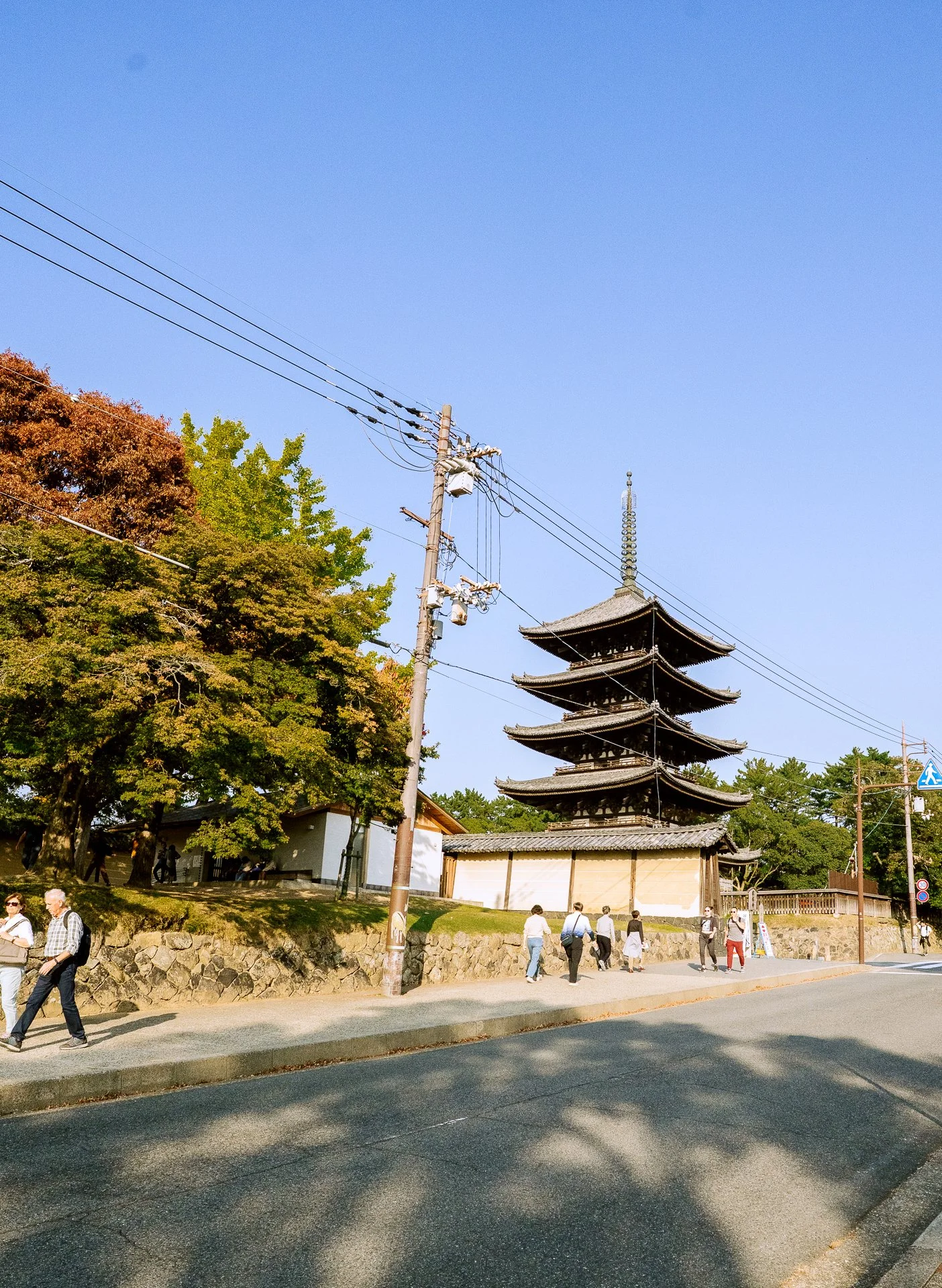
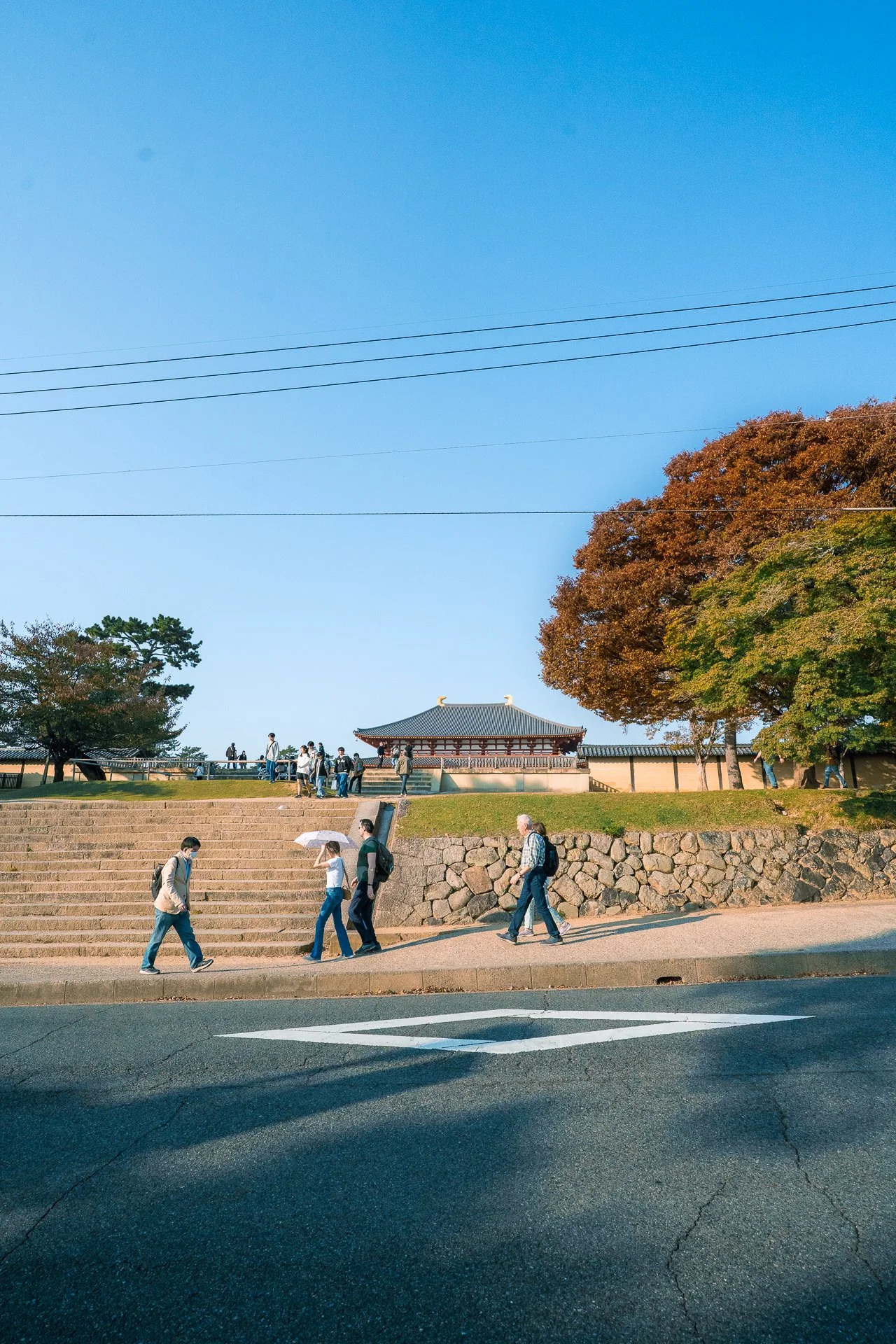
Our welcome scored rather high on the first-impressions index. The impressive pagoda of the 1300 year old Kohfukuji Temple drew us toward it. But it looked like it was closed to the public. The temple grounds has many impressive structures. After all this was the family temple of one of Japan’s most influential families - the Fujiwaras.
We saw a handful of people waiting in line at one of the smaller, office-looking structures and decided that was what we wanted to check out. They were waiting in line for the goshu-in or the temple stamp. This was my first temple stamp of the holiday - or even any stamp for that matter- although my holiday was practically over by this time. I had had very little success even with the train station stamp as well. So I was over the moon to find this one, and that too without too much of a line. The momentous moment for the little notebook that I lugged around in my bag had arrived - now it would carry something more substantial than my scribbles.
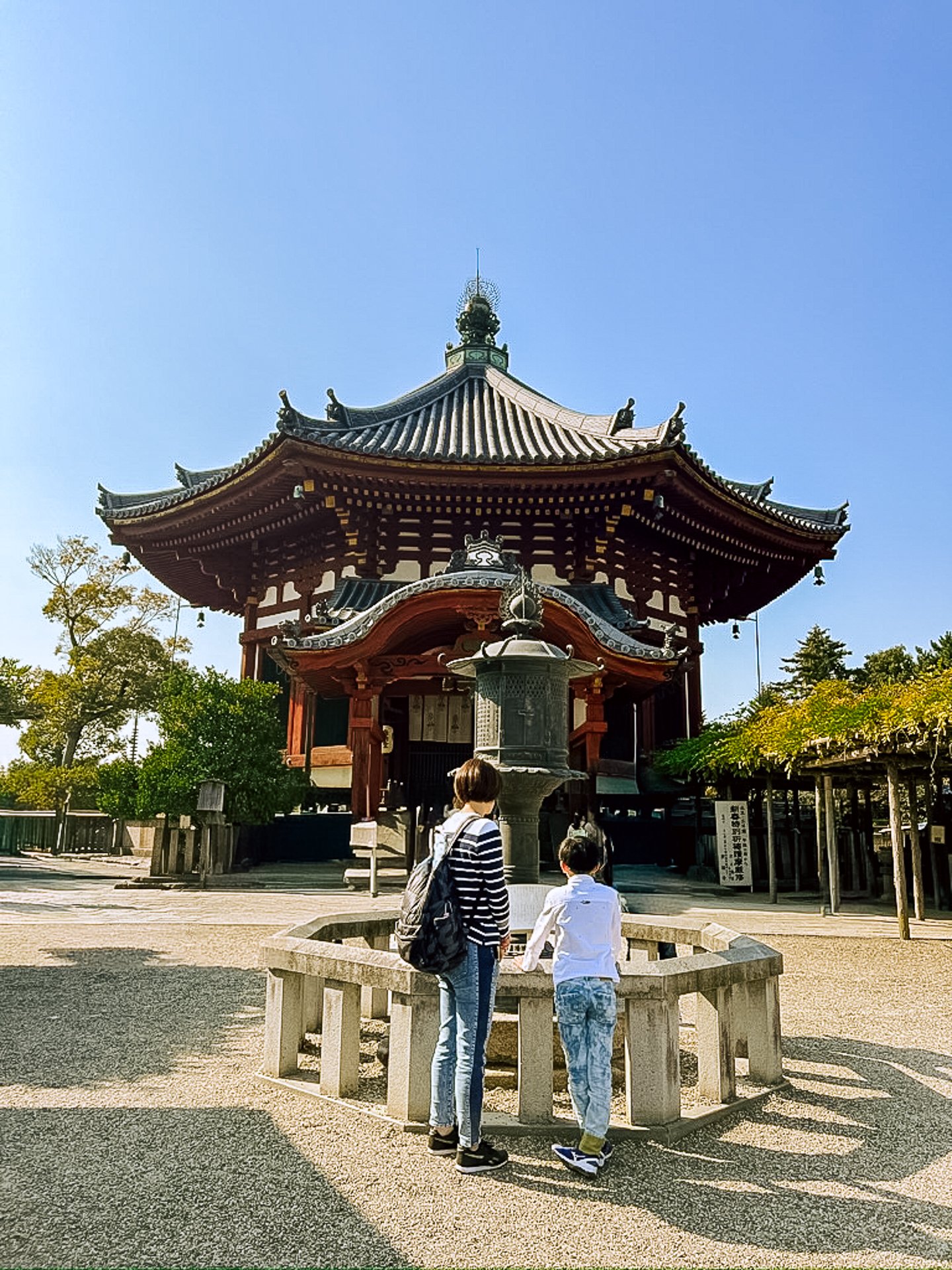
This goshu-in was special. I watched in fascination as the brushstrokes became living, breathing, ink-needs-to-dry text. The quiet patience of the calligraphers, as they imprinted the same thing, book after book was humbling. While I would have griped at a longer line, they would have sat there, all meditative, painting the same precious text over and over again. Normally the temple officials, probably priests, refrain from giving the stamp in any old book. These are sacred after all. But the book was sacred to me - it had some of my writing in it - it carried bits of my heart from various travels. So I was happy that they deemed it worthy and consecrated it. So far, Nara delivered.
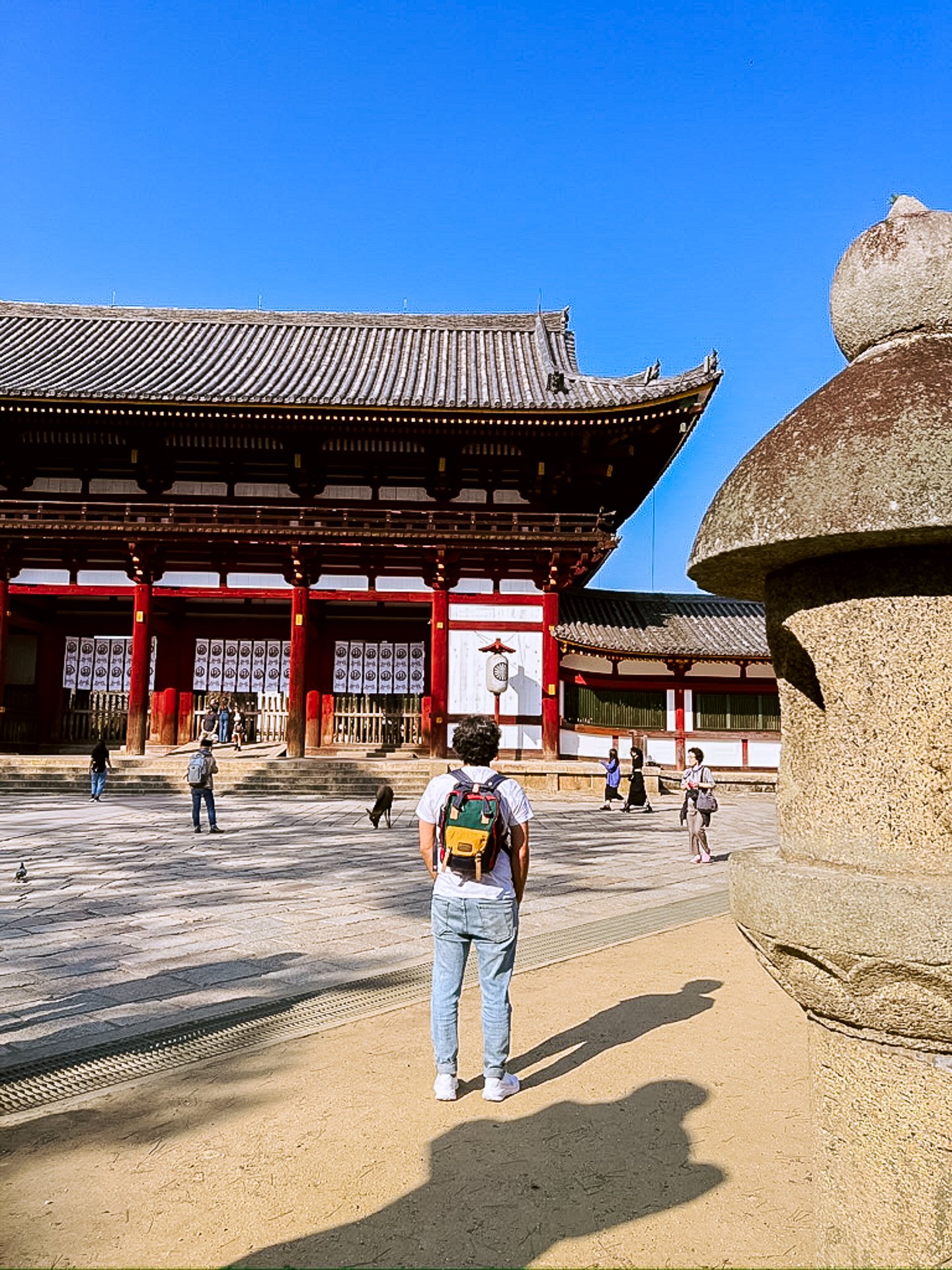
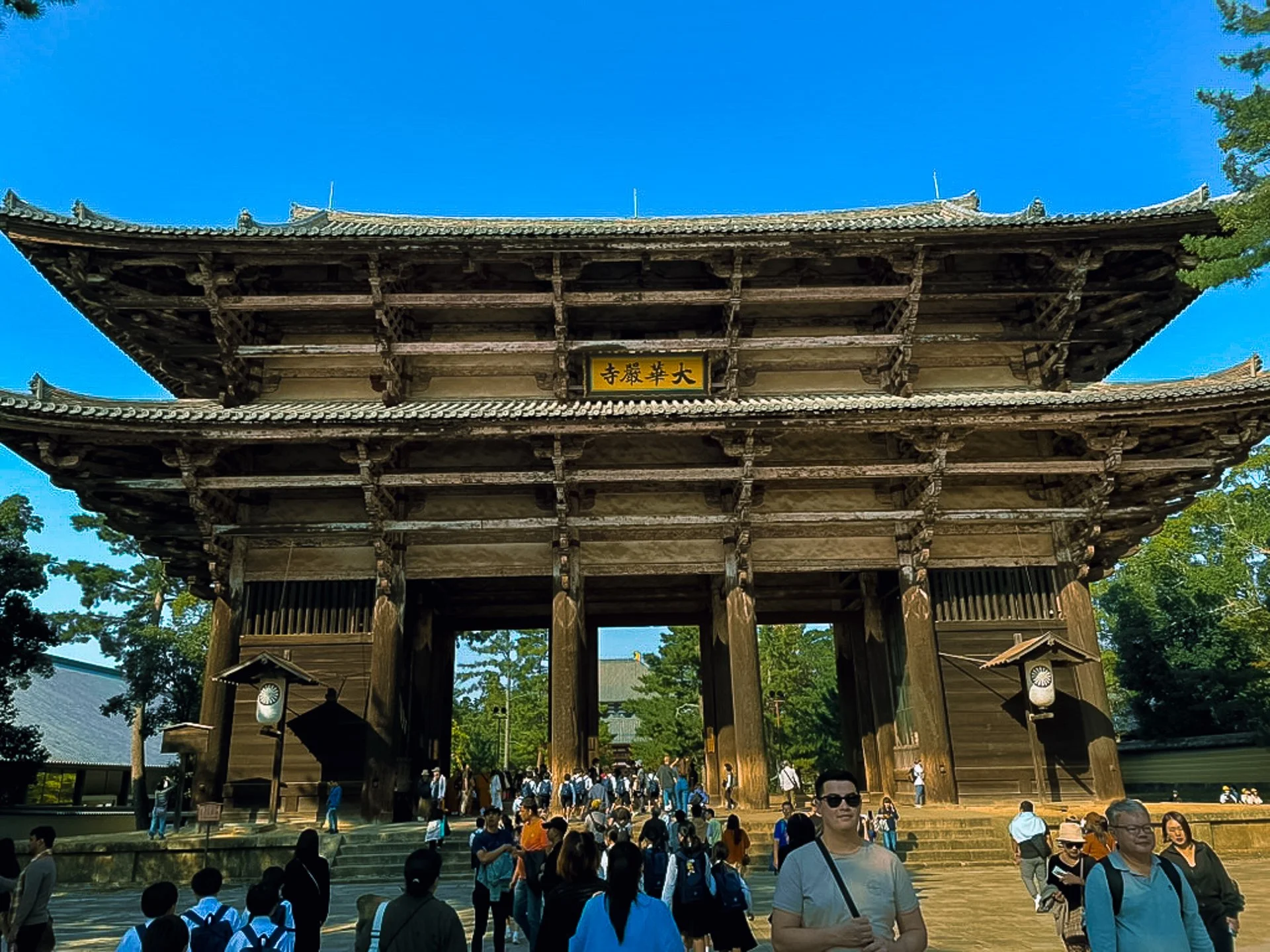
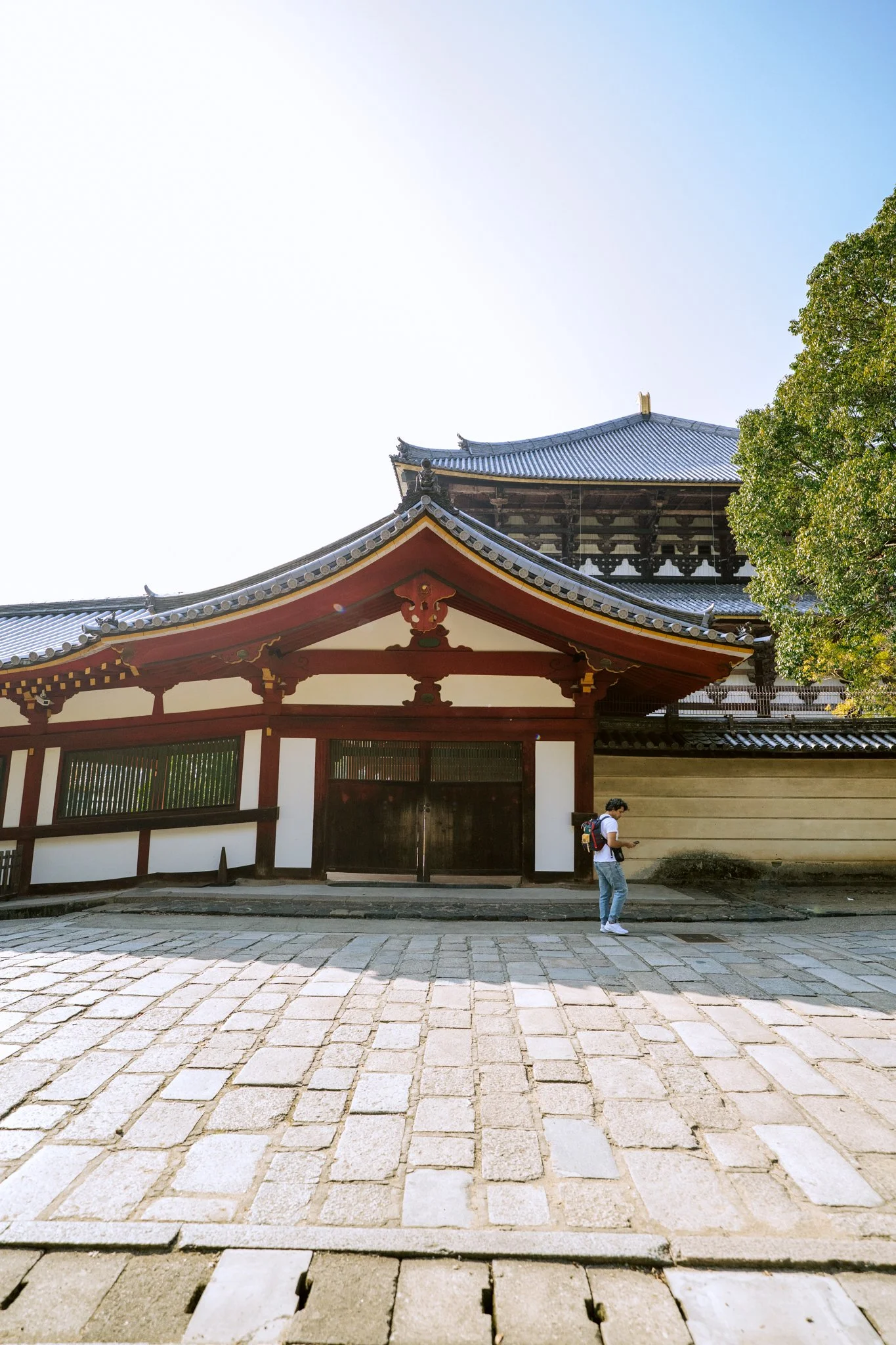
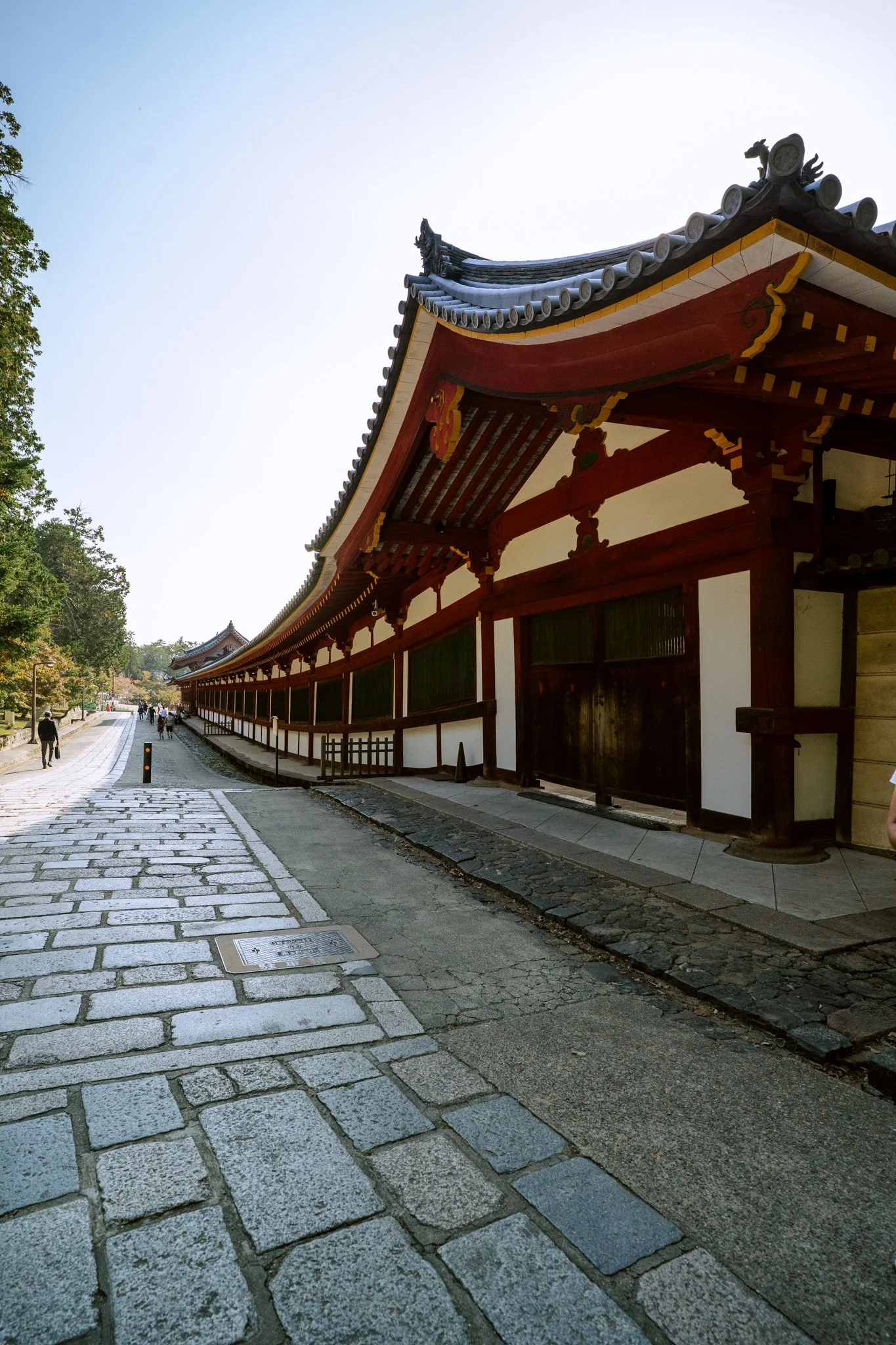
A short walk later, we stepped through the immense gates of the Todai-ji Temple - so large that I believed that the large Buddha statues might have walked through those gates before settling in the temple. The path was filled with little fawns and people fawning all over them. The Todaiji Temple had the longest line of humans waiting to get in. And we were like nope. But the joke was on us - the Daibutsu Buddha statues are a jaw-dropping 18 metres tall as befits a temple that became so influential that capitals were changed to keep the powerful monks in check. Nara was the first established permanent capital and was moved out to Kyoto after 74 years. Japan was in the habit of moving capitals according to the ruler that sat on the throne. Nara was the vision of an empress, Empress Gemmei, one of the eight women to rule Japan.
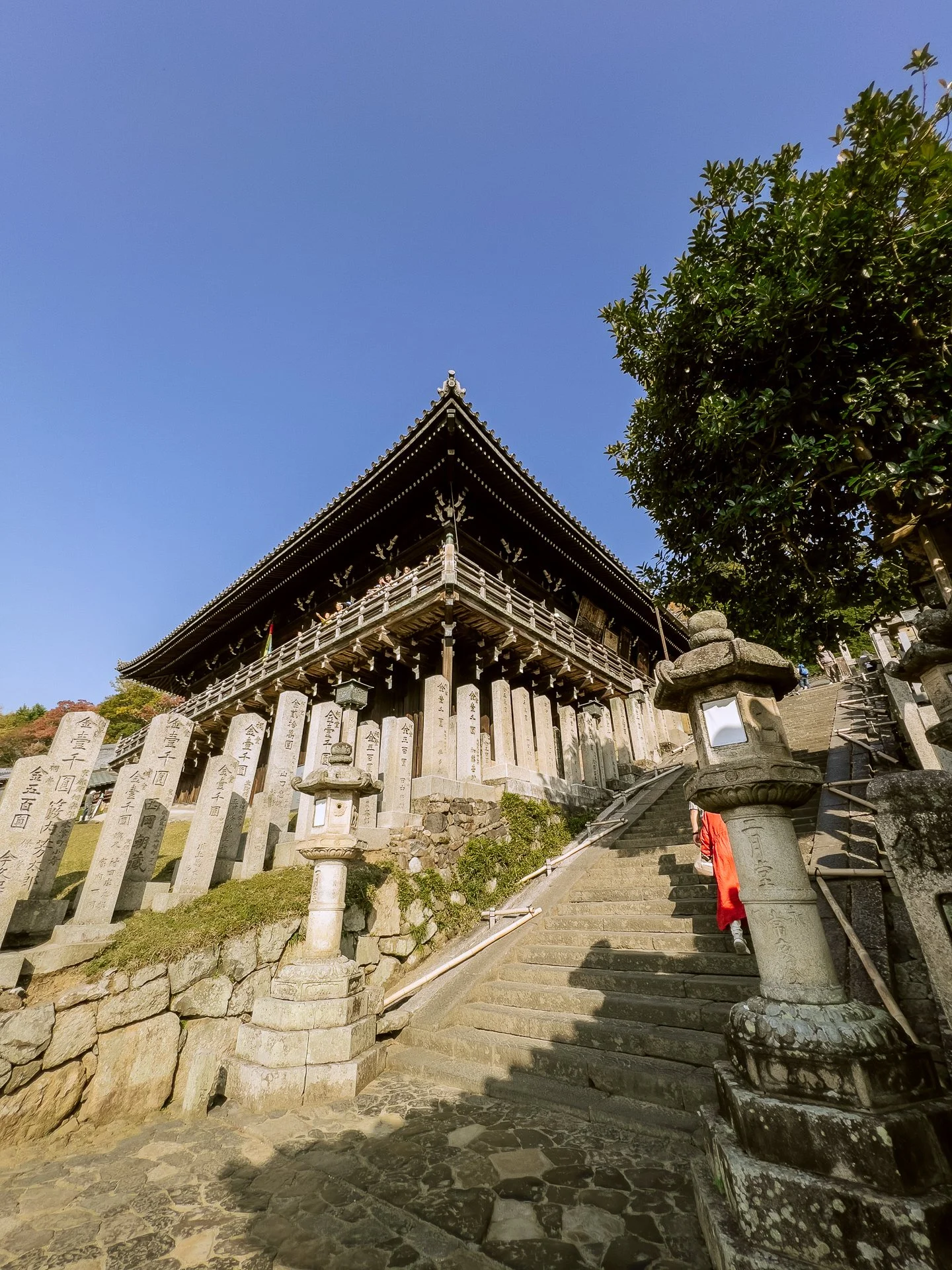
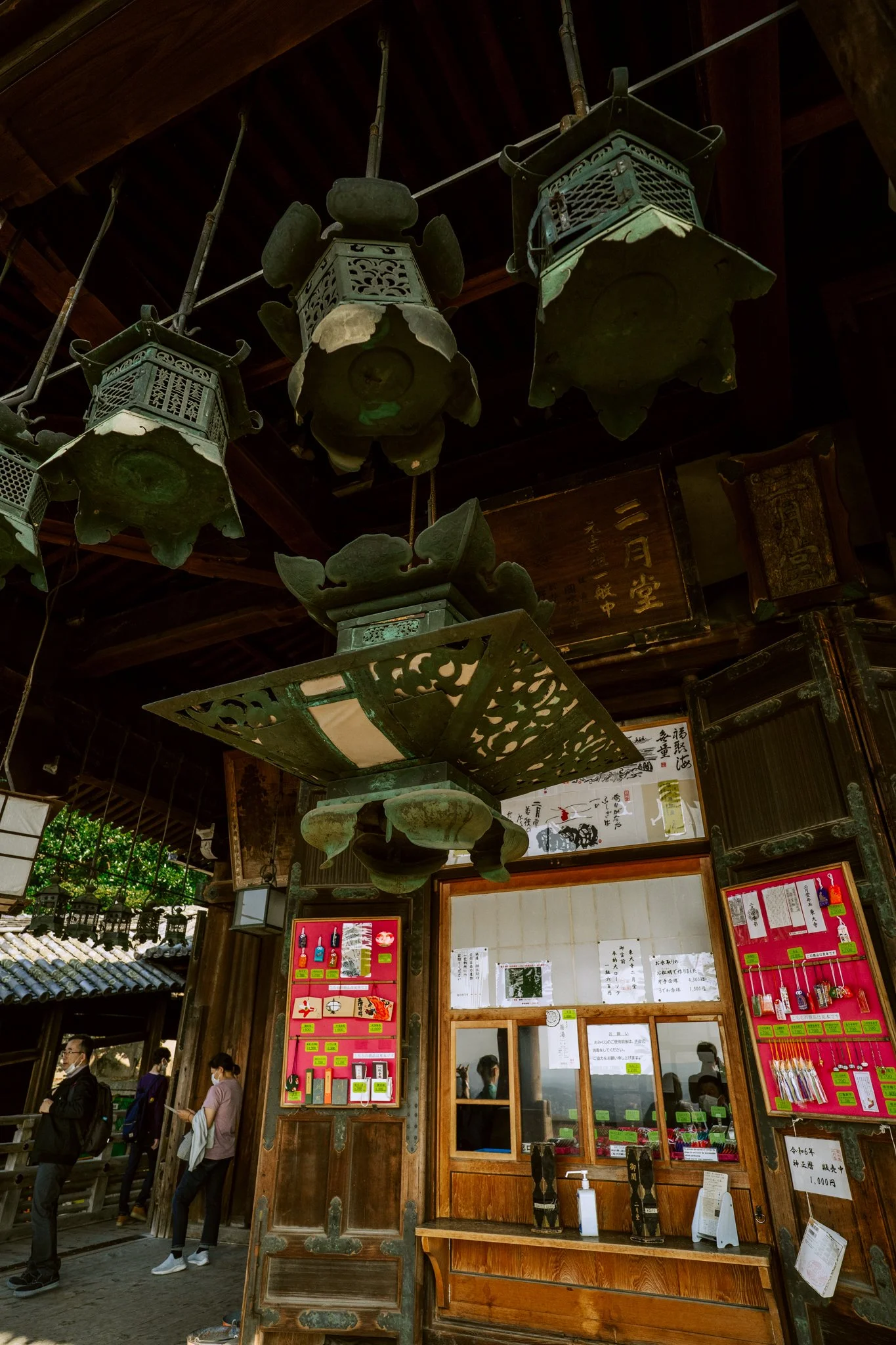
On one of the side gardens of the Todai-ji Shrine was a little familiar sight - the Ashoka Pillar. We paid our respects to our national emblem and continued on our way. We kept walking until the crowds thinned out. I had seen a reel featuring the Nigatsudo Hall and thought it looked very pretty. And it was. I wish I had more pictures from the walk. Stone lamps covered in moss lined up by the sides of the steps that led to the hall that is perched on a hill. It was magical, like we were in another dimension. Like an outpost of a mythical land. The path also leads to Kasugataisha Shrine, and I was today years old when I found that out. So clearly, I missed going here and more’s the pity. Because this temple is stunning. I’m beating myself up right now, especially because it was so close.
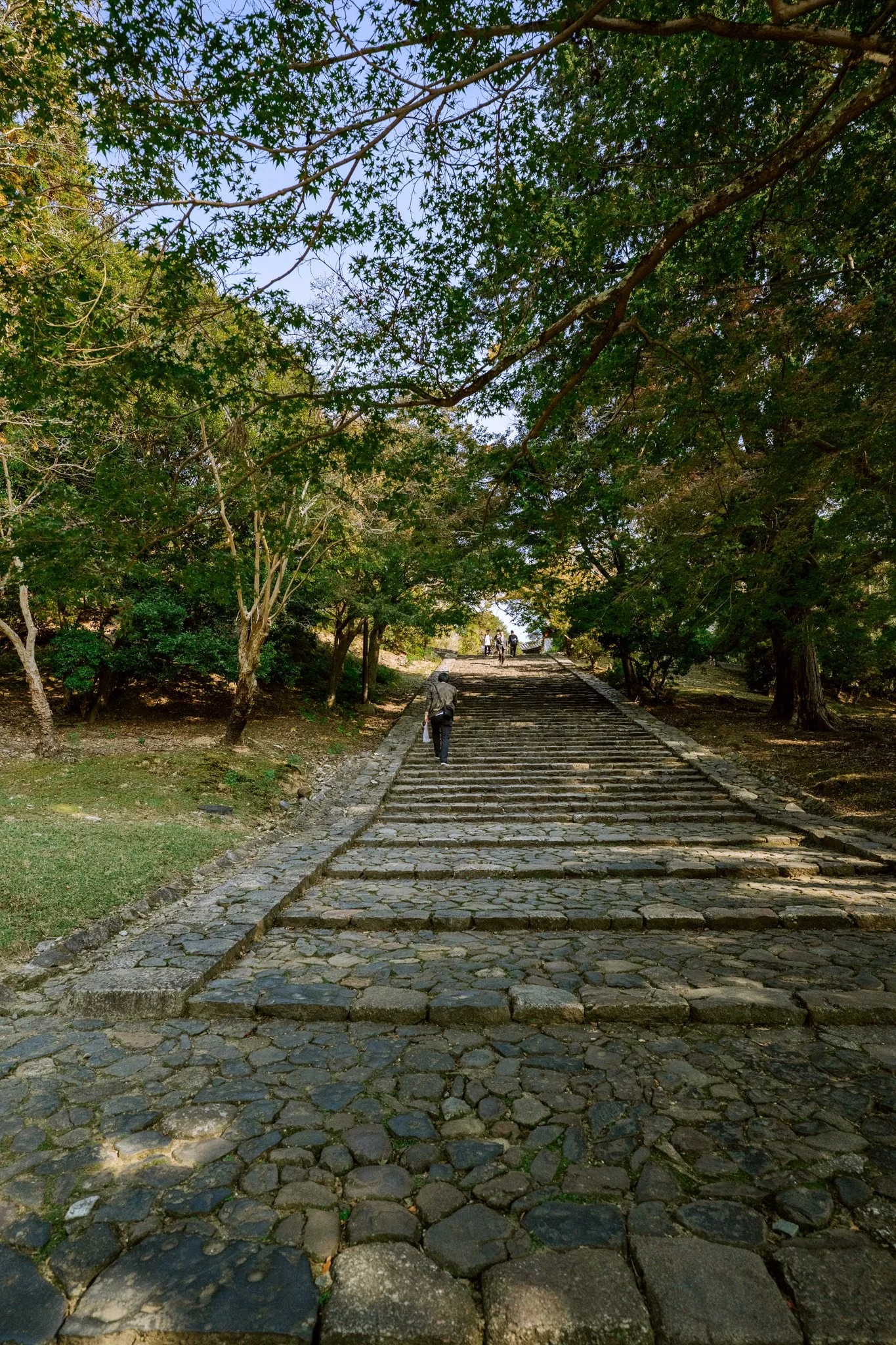
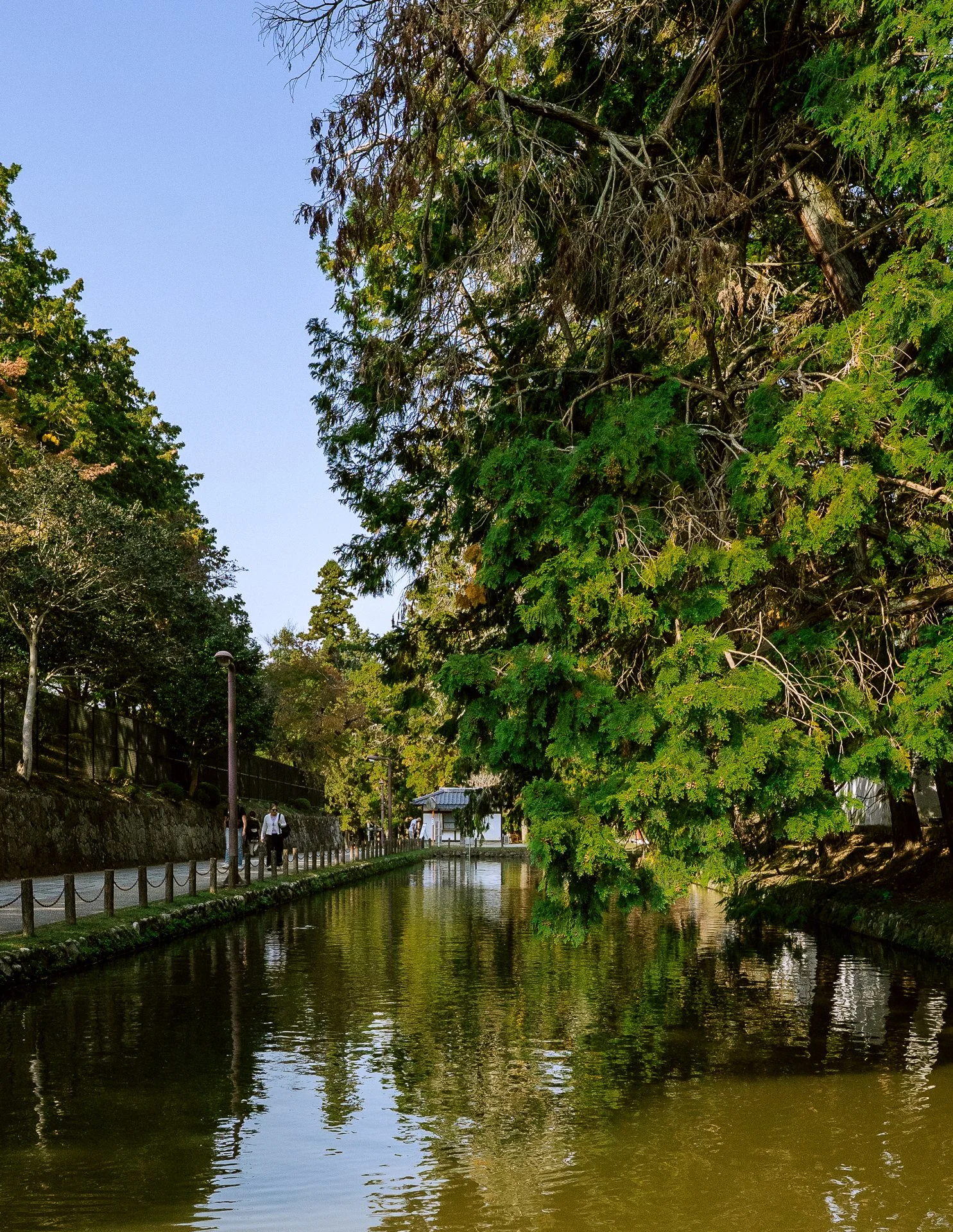
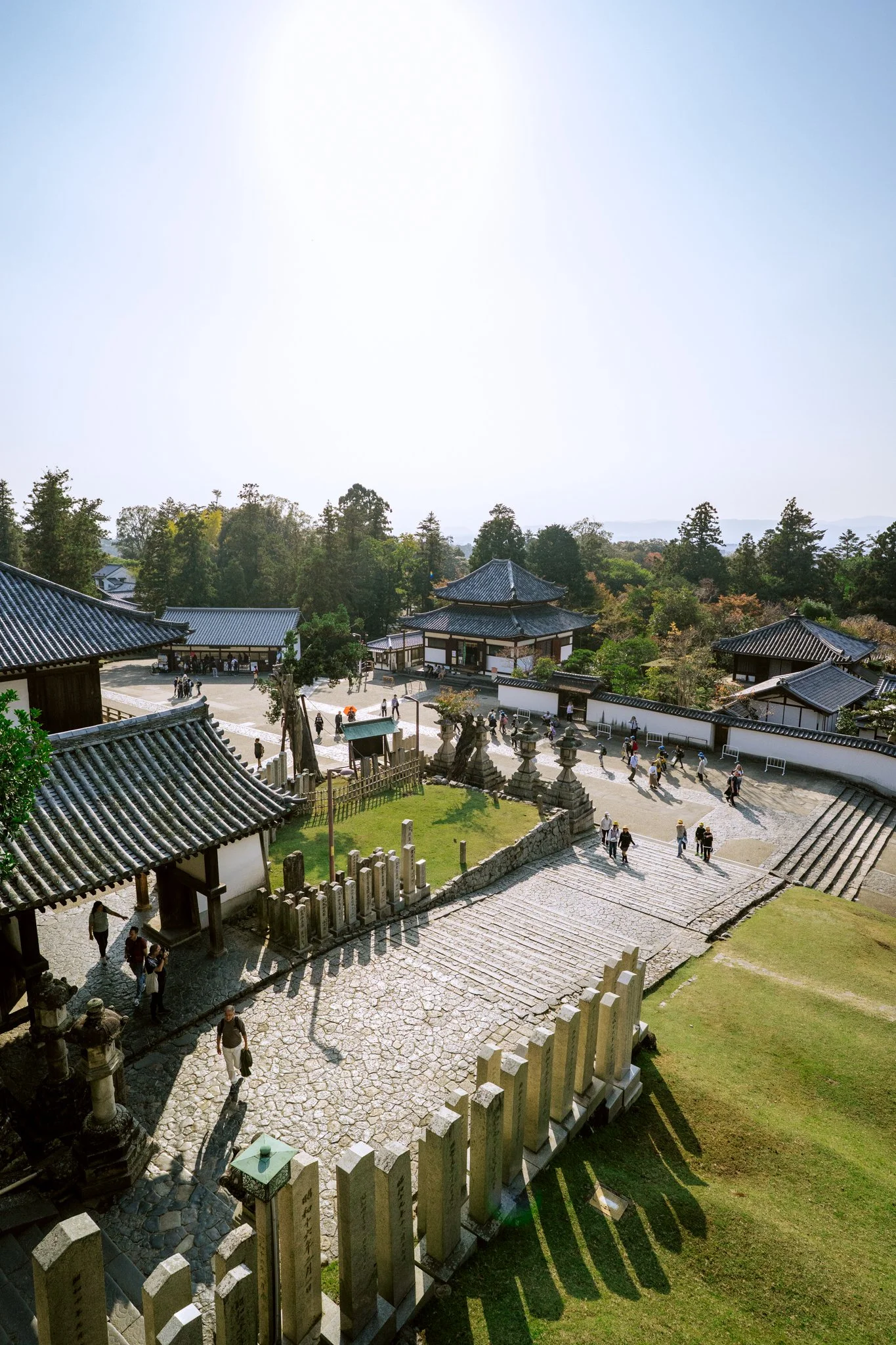
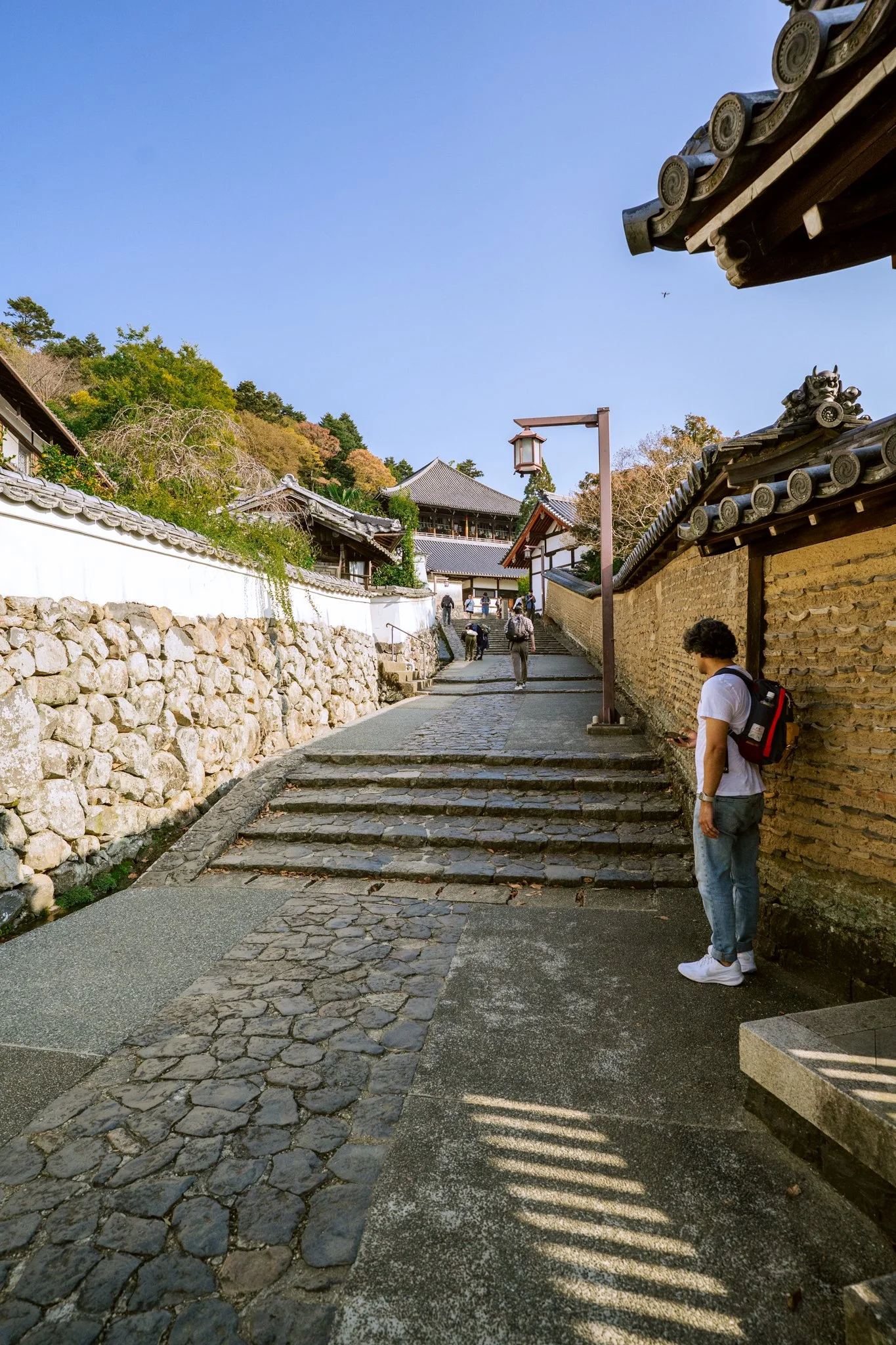
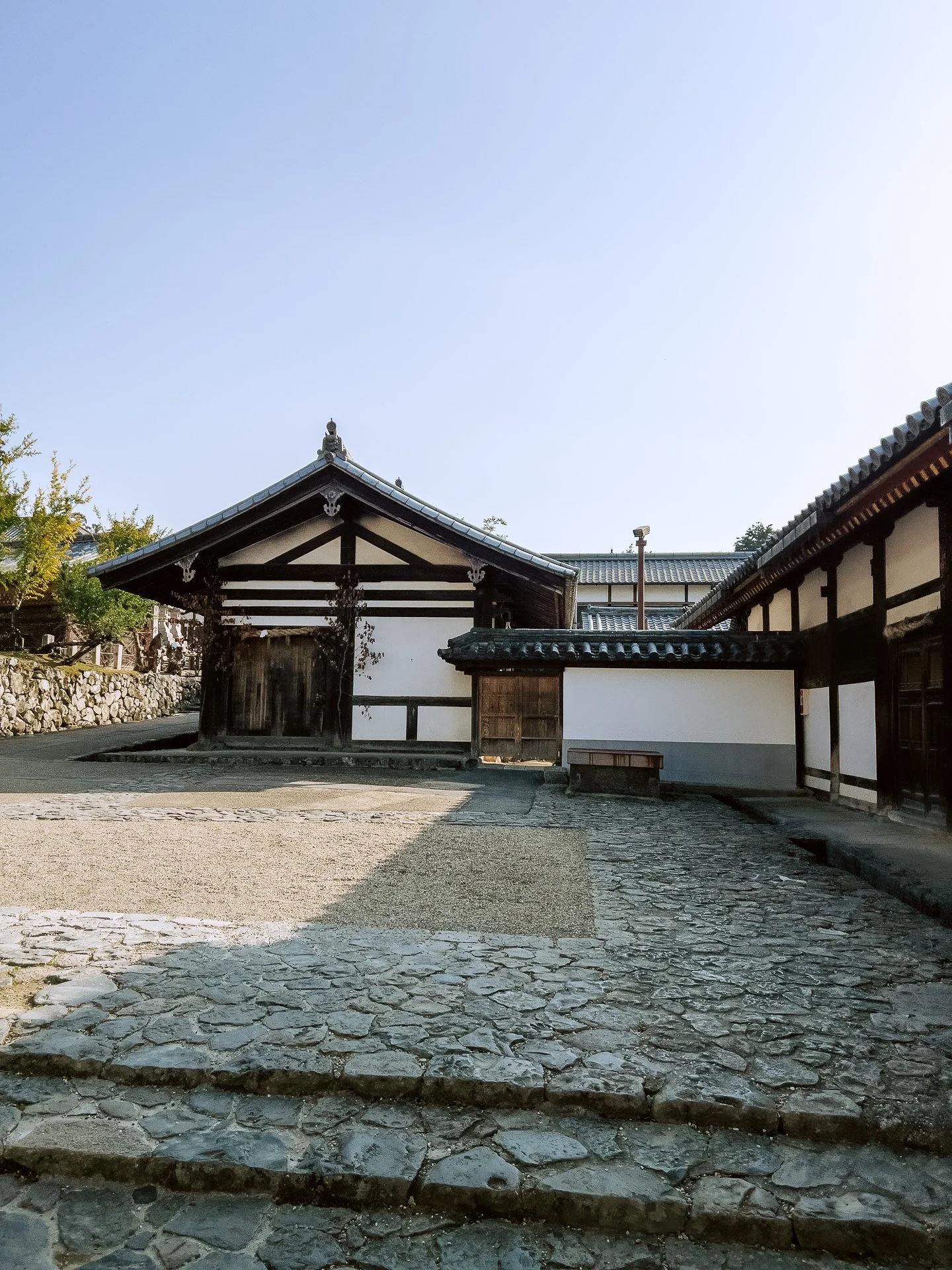
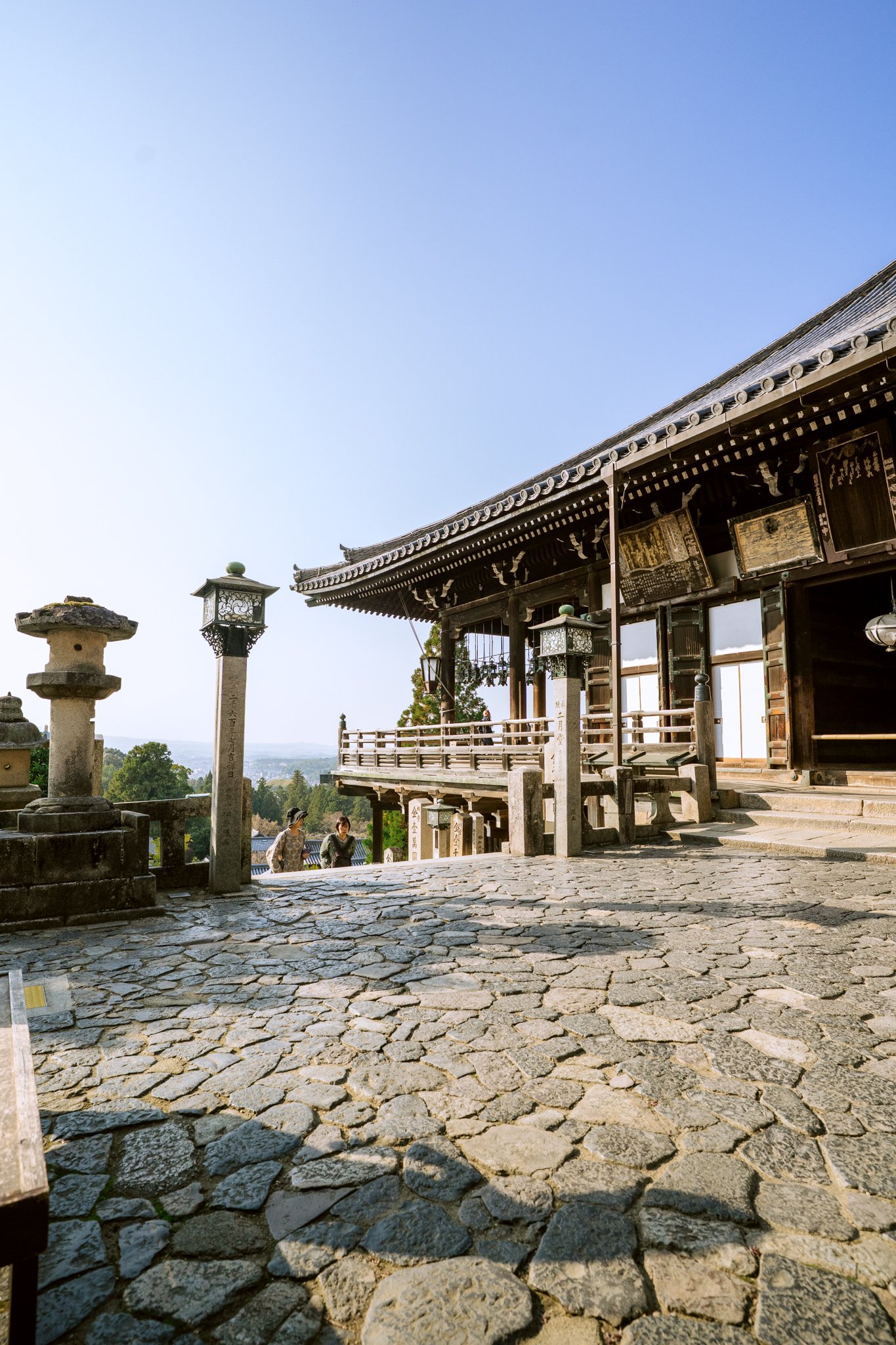
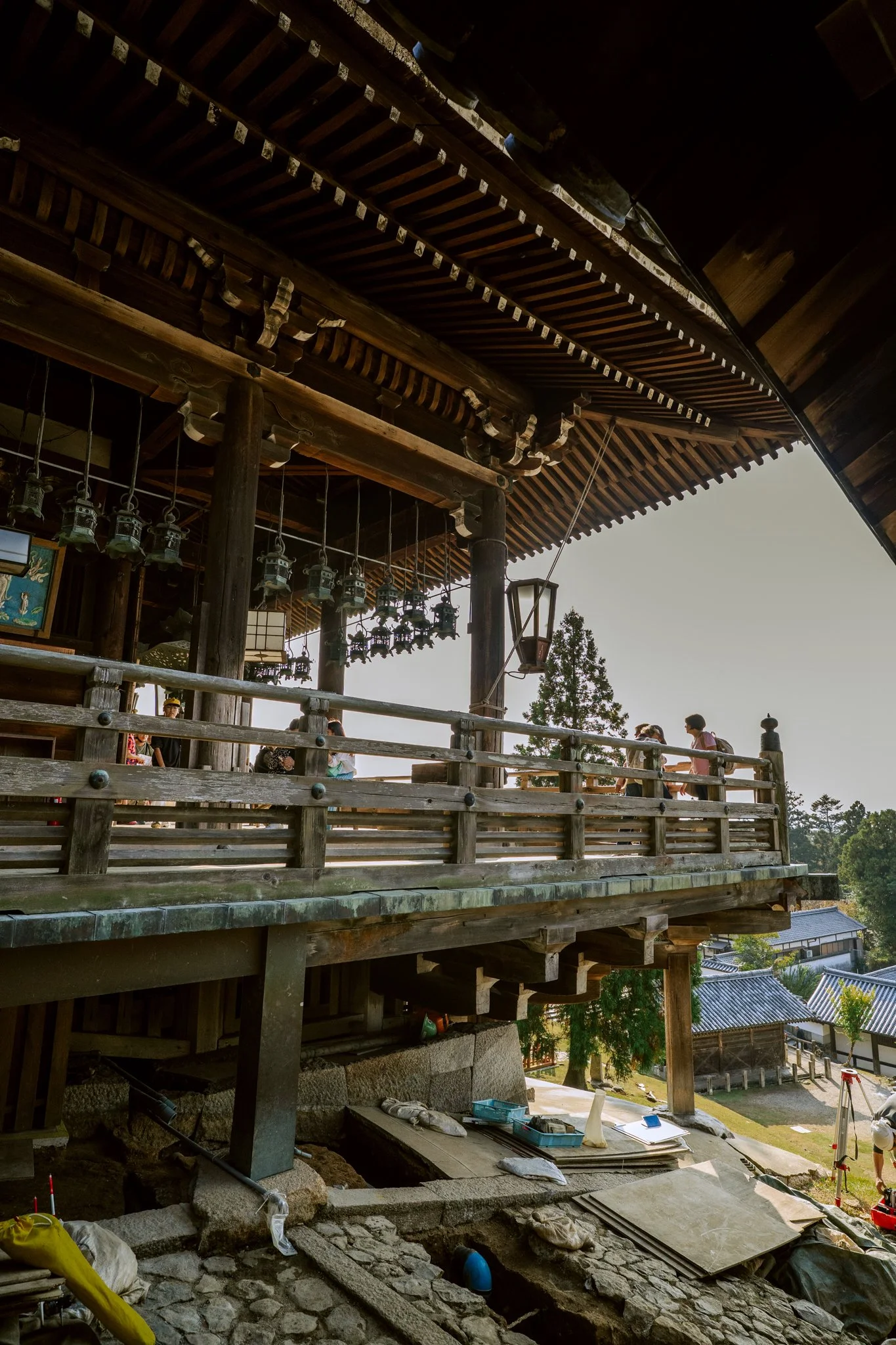
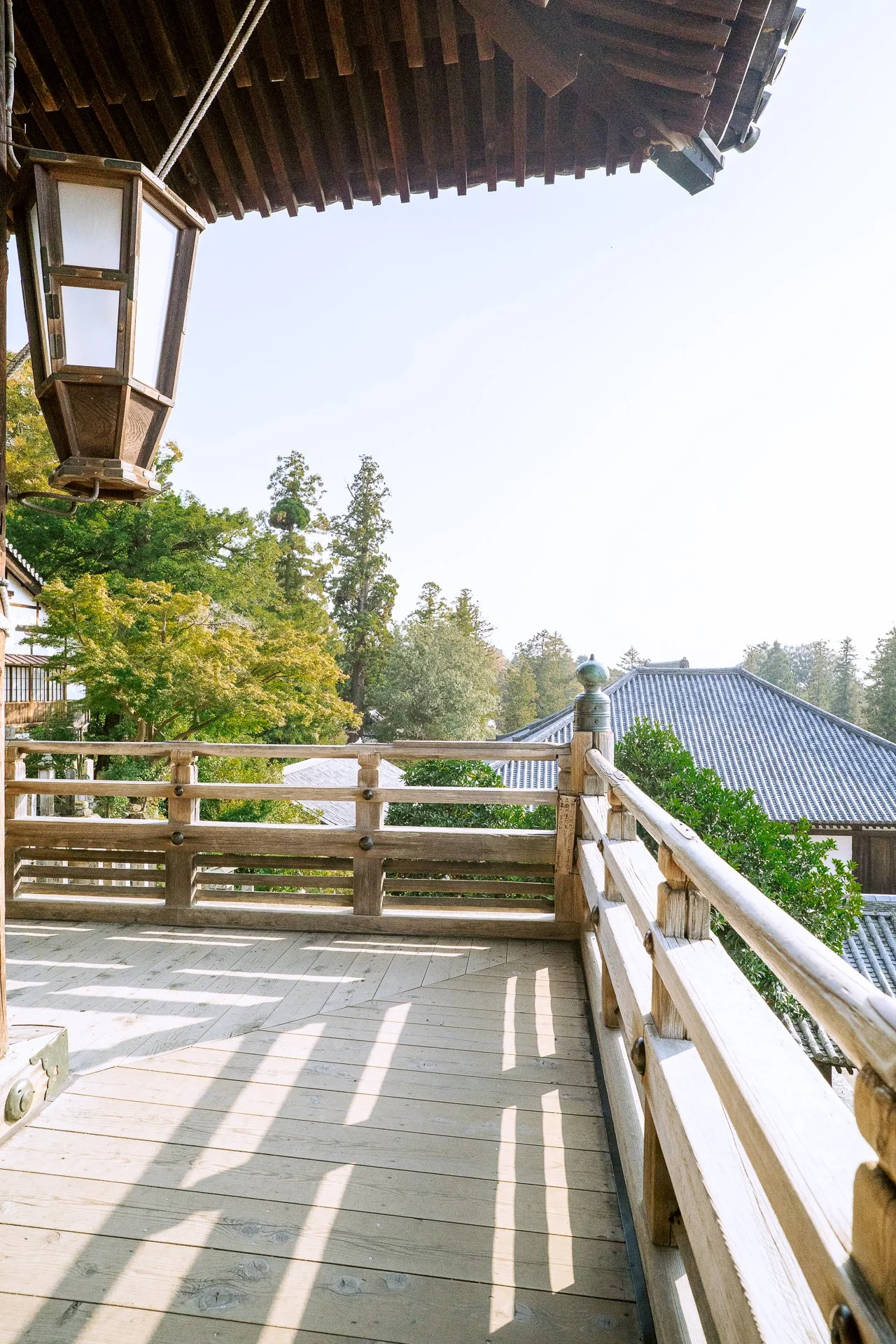
But let’s go back to the Nigatsu-do Hall, or the Hall of the Second Month, which I did indeed visit. It is so beautiful and bewitching. Perched on the Mount Wakasuka, it has the airs and graces of a reclusive monk. The darkness of the wood that makes its structure still holds the memory of forests, of nature’s cathedrals and singing brooks. The terrace is removed from the shove of the crowds. This place of penance, where the end of the tunnel like stairs feels like a portal to another, better version of you. A light at the end of the tunnel.
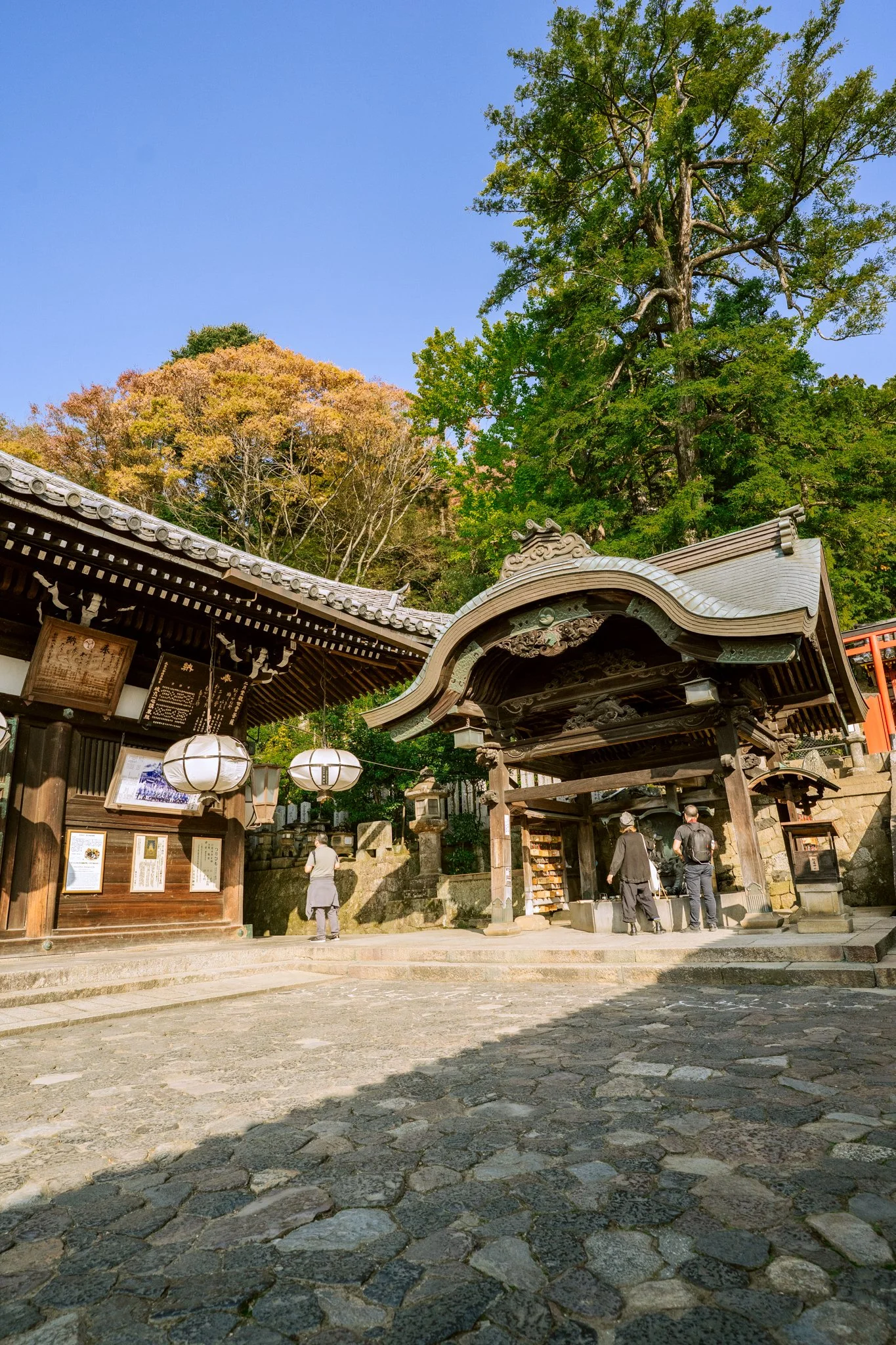
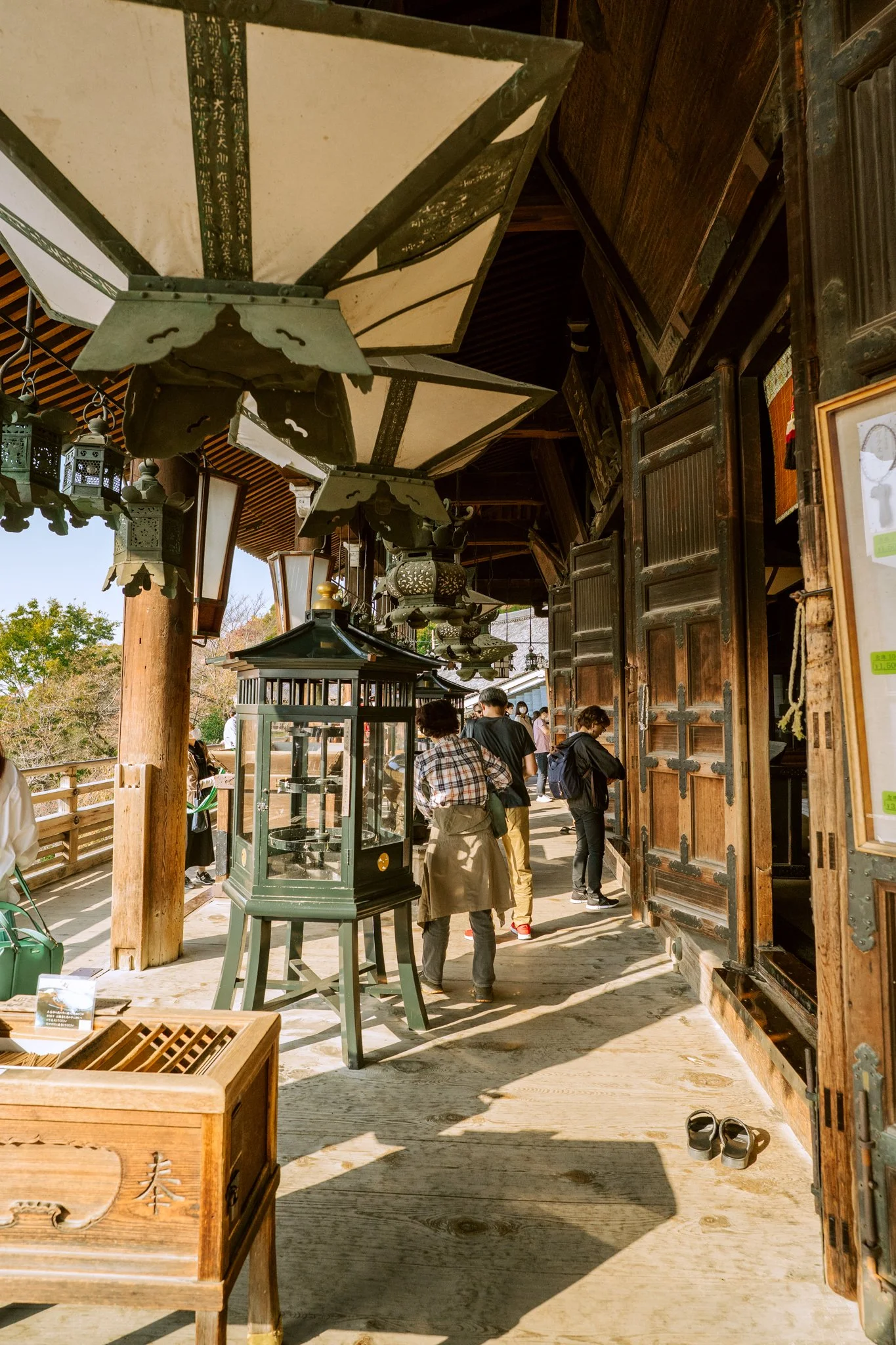
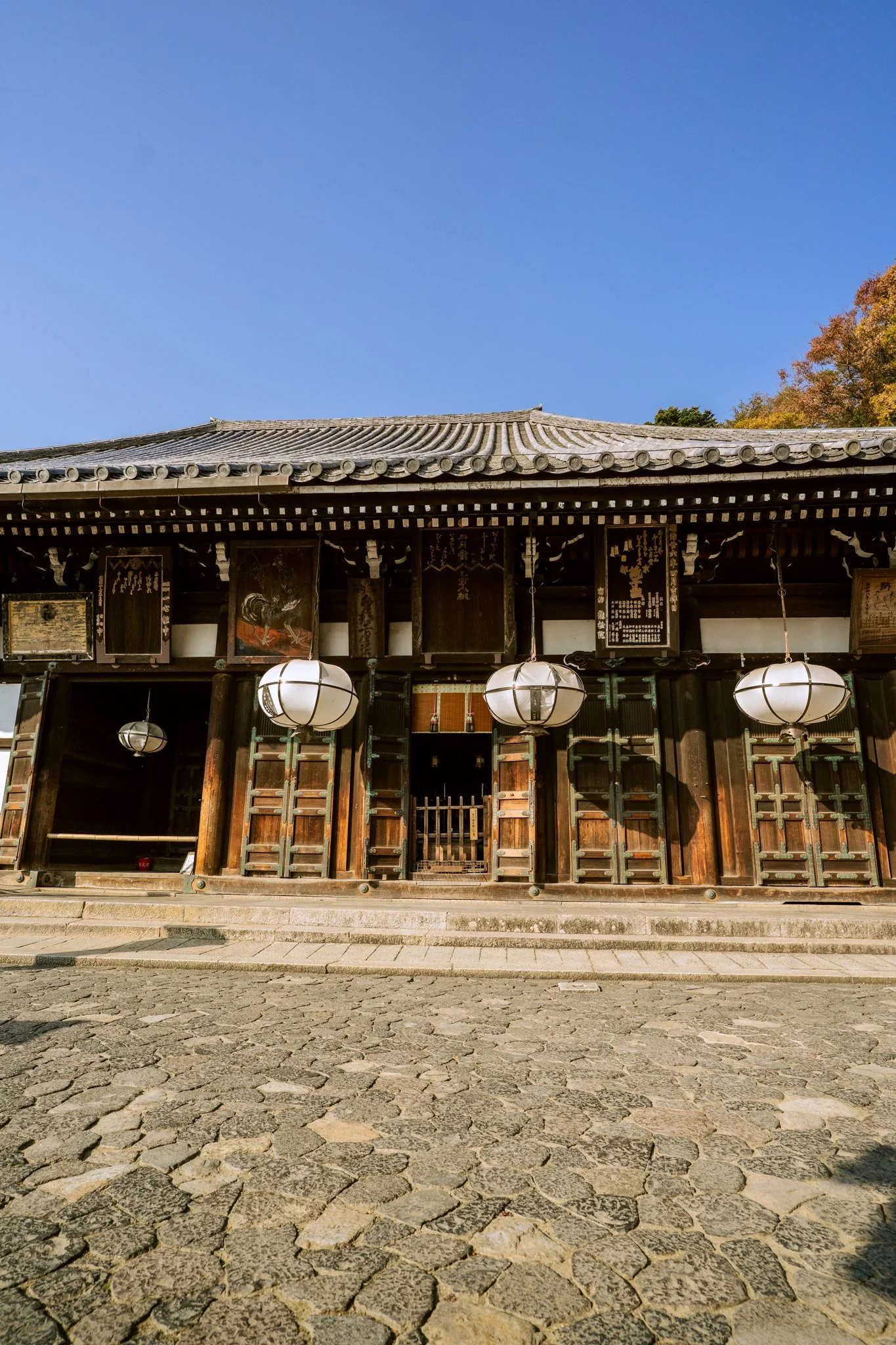
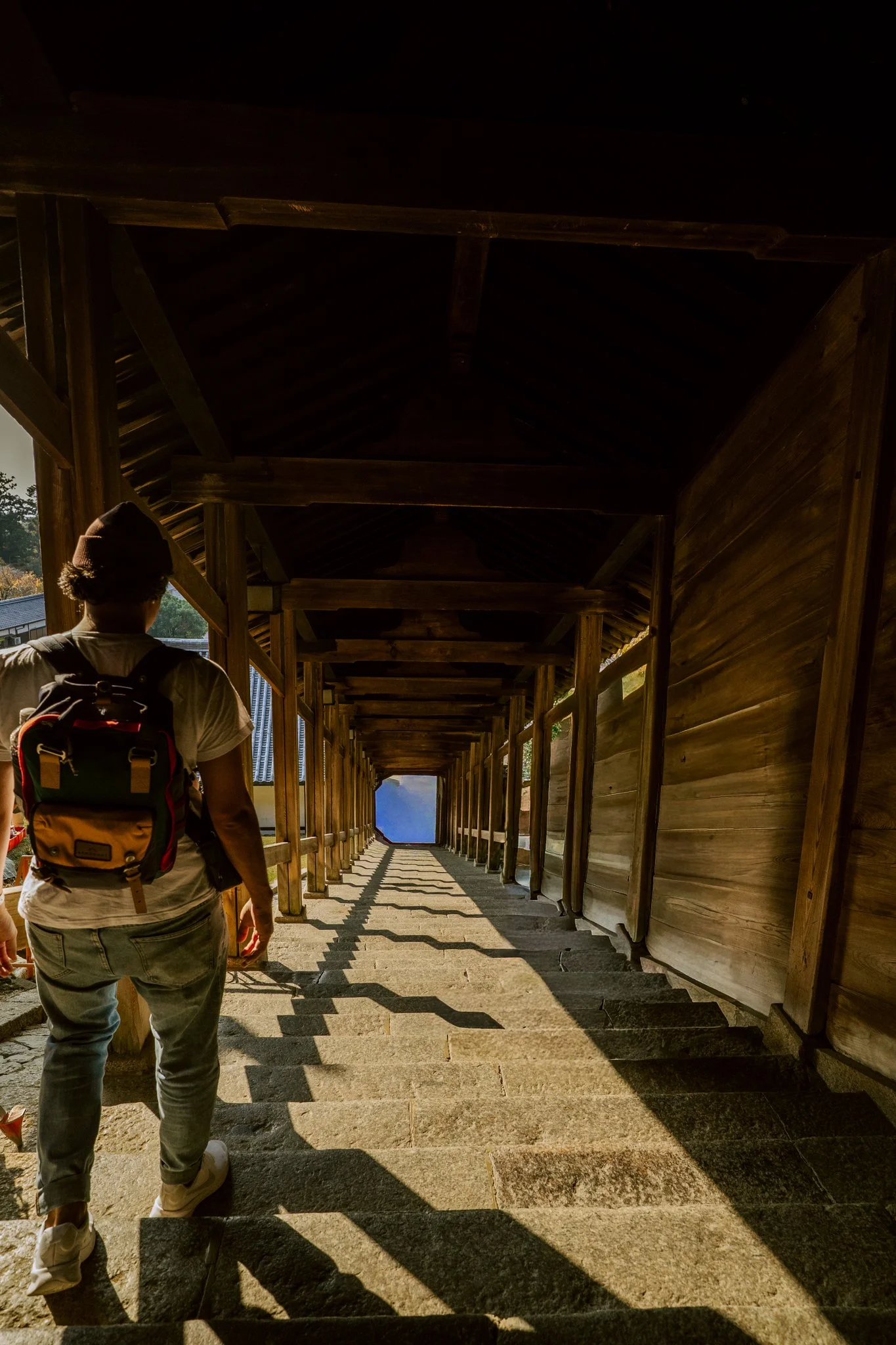
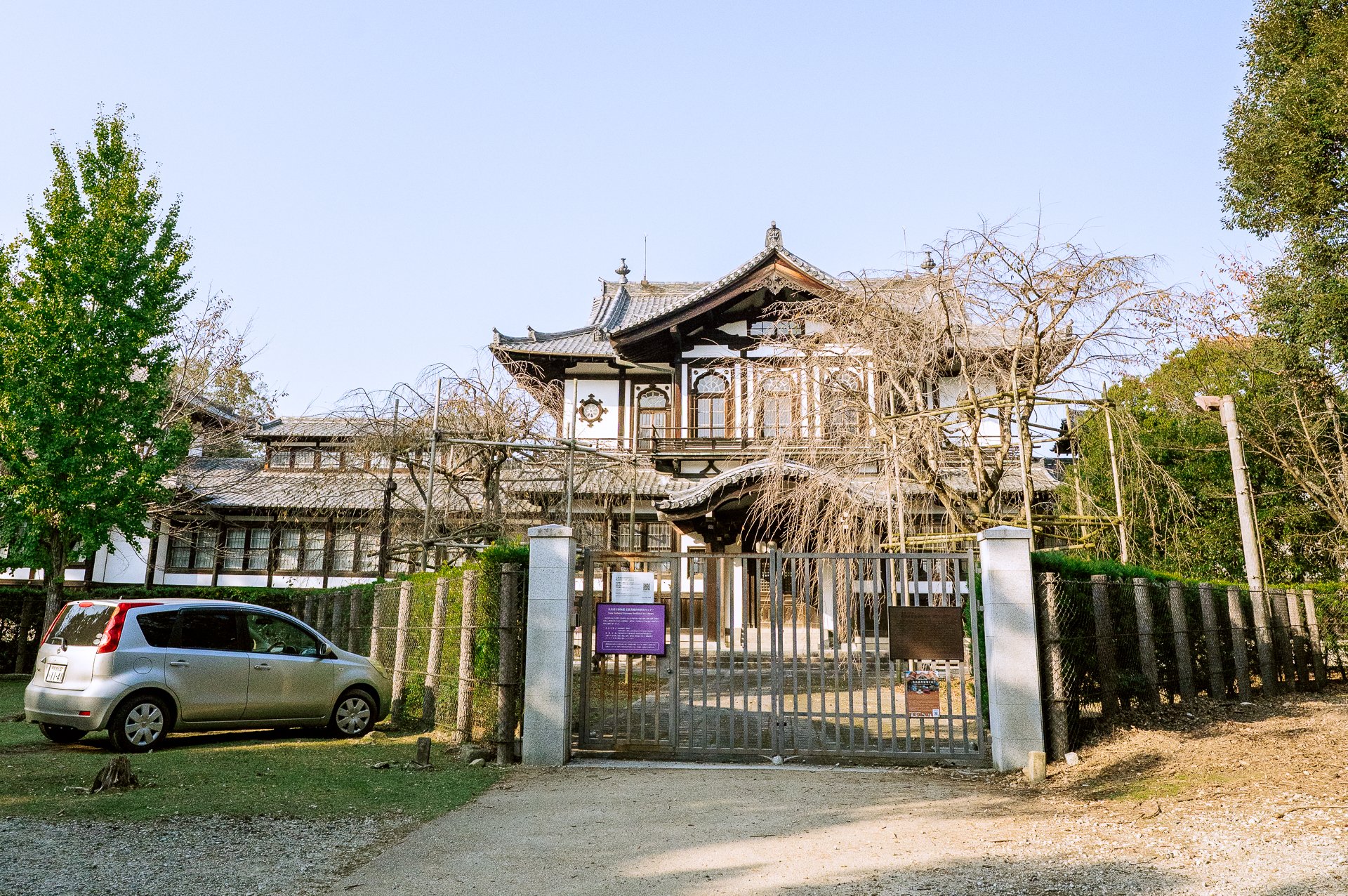
When exploring this vast complex, do keep in mind to keep water and snacks with you - the space is massive and there aren’t many if any options for refreshments. It can get hot and exhausting. Which is where we found ourselves rather quickly, We were a bit overwhelmed and decided to walk back to the station. On the way we saw a grand old mansion. Turns out it’s the Meiji era (1868-1912) mansion that houses the Buddhist Museum.
Nara is like one big open museum or a prayer ground. Edifices that speak of love, prayer and care that survived centuries. In Japan, that’s something that follows you around - the fact that someone cared, cares and always will care. It’s in every meal that you eat, every street you walk on, every structure that’s lovingly restored, brought back to reality after one, two, three, four, five fires or typhoons or whatever destructive force that once consumed it. It’s in every train you take. Every respected traffic light, even in the dead of the night. It’s in every candy wrapper with a cute design on it. The value for the eternal and the value for the immediate. Not every country balances the two like Japan does. Does it come from living a precarious existence, always being prepared for a tsunami or an earthquake or a typhoon? I don’t have the answer. But as a visitor, it’s a wonderful thing to experience.
Central Golden Hall
Nara can be a lot more than dodging crowds in a fairytale setting. But there are some spots where you can have the fairytale, the magical quest, where the mythical meets mystical, without the crowds. Or at least you can hope. Here are some places that I wish I had visited.
Yoshikien Garden. If mainstream Nara feels overstimulating, slip into this garden that’s just around the corner. Moss gardens, a pond garden and a tea ceremony garden offer you the sensory respite that you need.
Hase-dera temple. Want to experience Nara without the crowds? This temple located a good 90 minutes away from the city is just the place. A not-so-quick train ride takes you to this mountainous haven of spring flowers, autumn foliage and foresty solitude - at least some semblance of it. Though be warned these are hard won - the temple includes stairs, lots of them. It has to be mentioned that the Temple of Flowers has become a lot more popular in the recent years, but I’m sure the crowds will still be nothing compared to downtown Nara.
Tsubosakadera. If you’ve seen a picture of a massive Buddha with their head in a cloud of sakura - you’ve seen the “as seen in” version of the Tsubosakadera. There are several Indian elements and stonework. Word of warning, this place is extremely popular during spring - be prepared for crowds.
Murouji Temple. Tucked deep in the forest, this temple welcome women worshippers well before other temples lifted their restrictions. And it tracks - that even for something so basic as worship, women had to do it the (extremely) hard way and go deep in the forest, put themselves in the path of dangers like dacoits, wild animals and just getting lost. Feminist umbrage aside, the temple sits in a niche where time forgot, a dimension of magic.
Yoshimizu Jinja Shrine and Yoshino mountain. Again another social media star, this destination is a bit away from Nara itself. In spring the entire hillside becomes a chorus of pink - complete with soprano, alto, tenor and bass. In autumn it’s sunlight at its lustiest and dappledest.