Finding Alone in Kyoto
Anyone who has watched Lost In Translation dreams a certain dream. Of walking through the streets of Kyoto with Alone in Kyoto playing in the background, providing an atmosphere of aesthetic melancholia. We yearn for Kyoto with this overpowering intensity of a Sofia Coppola-esque light-leaked, hazy, main character-strength whimsy. We believe that there is an epiphany waiting for us in Kyoto. We do all this, while being totally aware that it’s honestly quite hard to be alone in Kyoto - given how ridden with tourists it is. We don’t consider ourselves tourists. We are pilgrims.
If you don’t dream this dream and have fulfilled the main criteria, you are not human. Lost in Translation was truly lost on you. And you don’t deserve Kyoto. I’m kidding. Everybody deserves Kyoto.
The first trip to Japan is often a bit daunting and most travellers, present company included, choose to just go for what is called the Golden Route - Tokyo, Osaka, Kyoto and Hakone. Osaka’s and Hakone’s crowds and the speculation of things being extremely expensive, deterred us from those places. But Kyoto - even with the tourist tax that will be effective from March 2026 - is still magical. As for the daunting part - honestly one Shinkansen route is just as great as another. Places like Yamagata, Nikko, Kanazawa, Wakayama, Okayama, Fukuoka, Hiroshima, Fukushima (just the top of my head) are as just as connected and offer experiences that don’t include half as must jostling around tourists.
But this is a post on Kyoto. And I think we should go into the must dos. And I'm going to begin with a homage to my favourite director - Sofia Coppola and explore places where you can in fact, be alone in Kyoto.
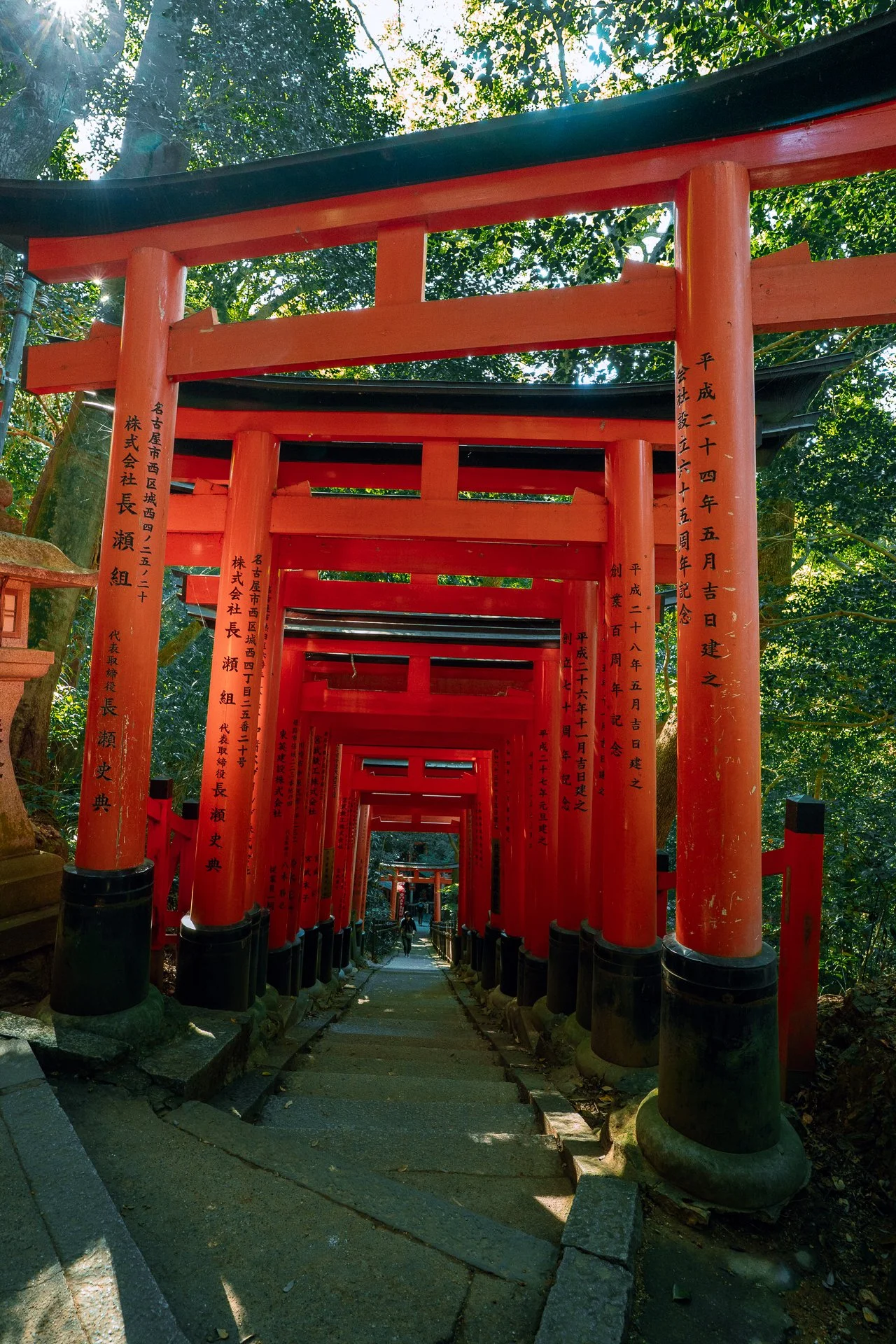
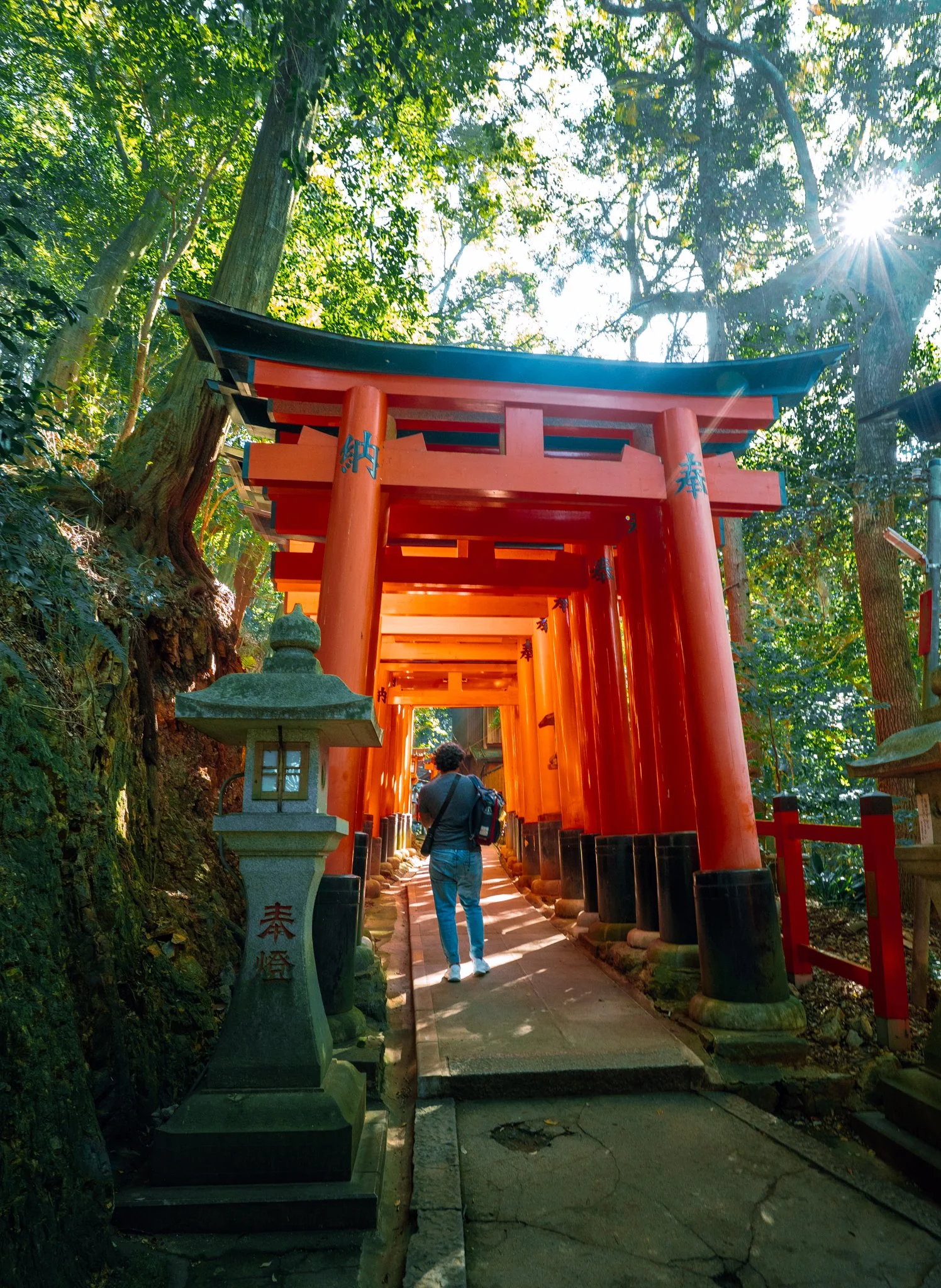
1. Fushimi Inari Shrine. As ridiculous as it is to put Kyoto’s most crowded site at the top of the list, I ask you for a little patience. What begins as a veritable elbow to elbow experience, quickly thins out. The higher you go, the fewer the people. Most tourists, especially the ones on guided tours, treat the shrine as a must-do and not an experience. But this shrine, with its cunning forests, endless stairs and mystical tunnel of countless torii gates that go all the way to the top of the mountain, is a pilgrimage that allows much self reflection.
2. Kifune Shrine and Kurama Dera . I haven’t been here though I sincerely wish I had. It takes a day and the hike is a bit physically demanding. The Kifune Shrine in the hills of Kyoto, dedicated to the water gods is one of Japan’s oldest shrines. Kurama Dera is about 2-3 hour hike from the Kifune Shrine and the fact that I would love to go here, says plenty about the natural beauty and mystical energy of this place. The place is full of tengu, a grumpy faced, long-nosed daimon-creature - you know this guy 👺 who appears in your emojis when you look for Japan. So, 👺, gave a face to the mysterious forces within the mountains, so that ancient folk could pay obeisance and appease them.
3. Daigo-ji. Despite its pagoda and bridge being a motif for autumn foliage, its high ranking on the ‘physically demanding’ index makes this temple a place to enjoy some Alone in Kyoto feels.
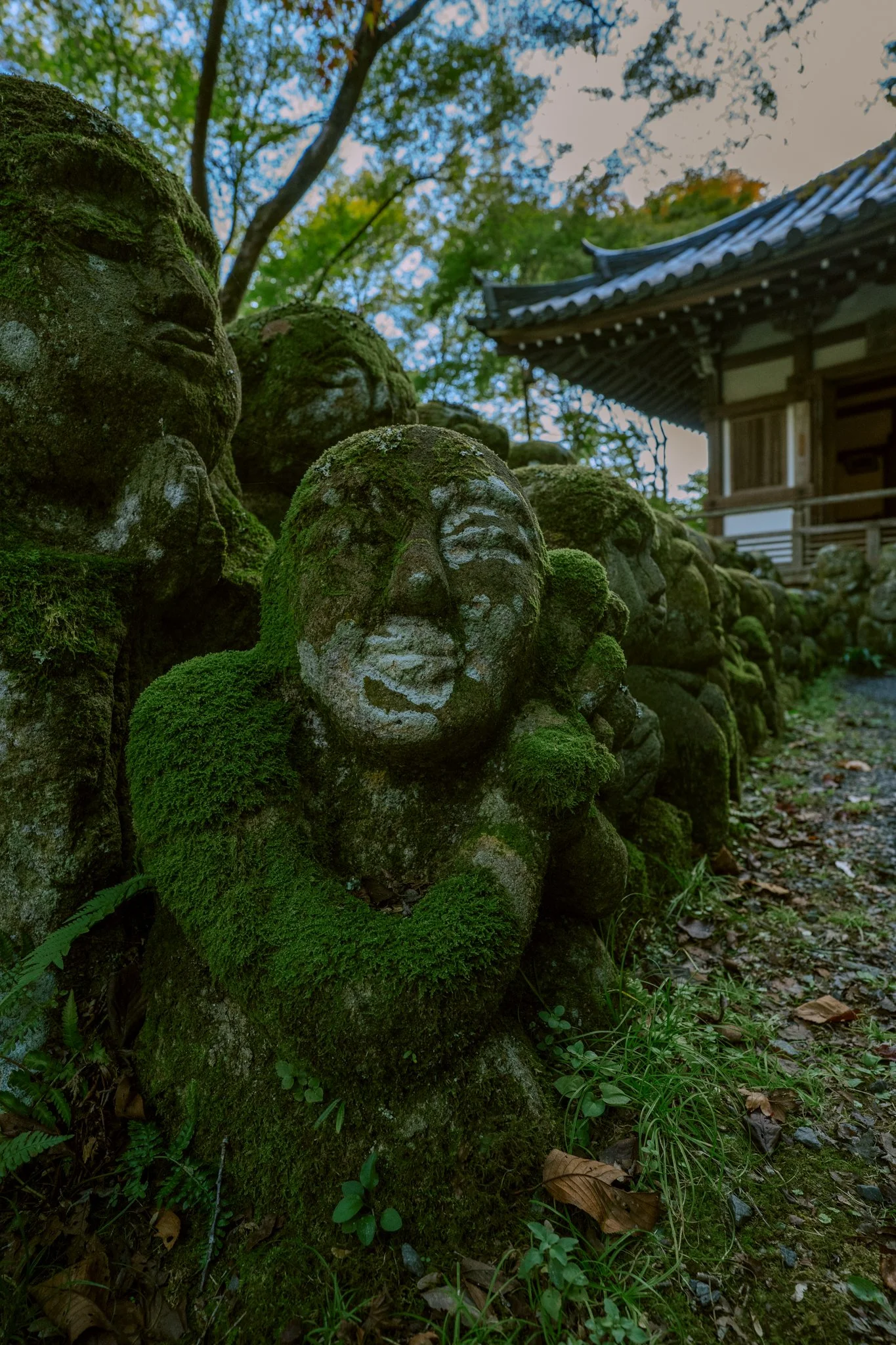
4. Otani Hombyo Temple. We passed by this temple as we made our way to Kiyomizu Dera, when Google Maps decided that we should take the scenic (and quiet) route. It was so quiet, that we fondly and very foolishly believed that we actually would have the insanely popular Kiyomizu Dera to ourselves. Behind the beautiful Otani Temple is a mountainside where many Japanese sleep their long sleep. There is a solemn calm, as though these souls are reminding you to savour it, before you land in the tourist crush of its extremely popular neighbour.
5. Honen Temple. This temple feels like a gatepost between the past and the present. An elevated thatched pagoda, thick and plump with moss, framed by dark green tree shadows breaks a trail of delicious goosebumps on your skin. A door that invites you in, but makes no guarantees of farewell. Yum.
Now here are the other must do’s - the “as seen on Social Media” version, well, as seen on social media. The crowded but no less beautiful Kyoto.
1. Kiyomizu Dera
2. Arashiyama Bamboo Forest
3. Nishiki Market
4. Gion Area
5. Yasaka Shrine
6. Hokan-ji Temple (Yasaka Pagoda)
7. Sagano Scenic/ Romantic Train Kyoto
8.
Day Trips
1. Uji
2. Miyama Thatched Roof Village
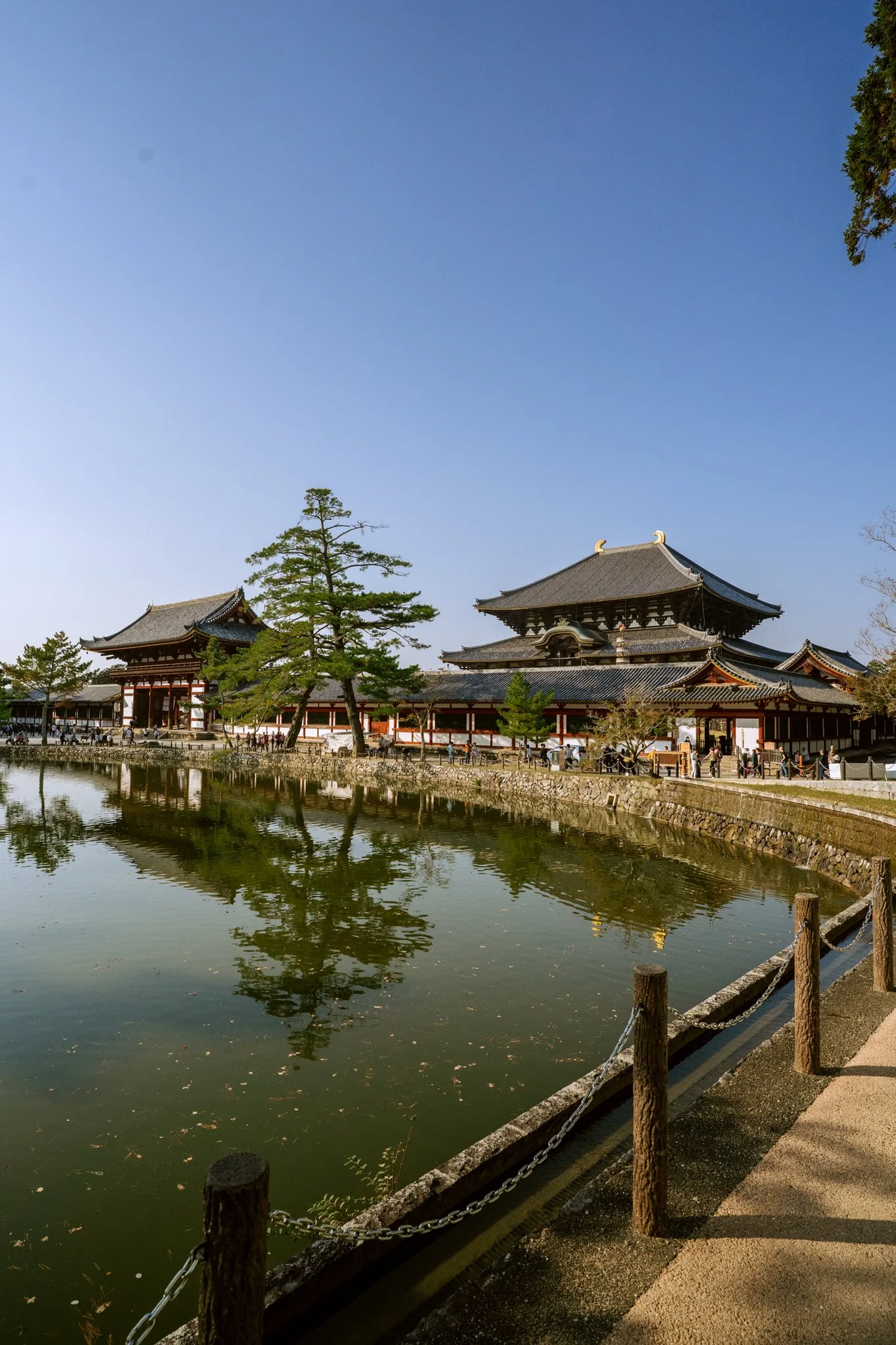
3. Nara
4. Himeji
5. Kurashiki Historical Quarter
6. Kobe
You’re welcome!
The memory of Kyoto will remain like a glistening green emerald in the overcrowded drawer of your mind. A green oasis in the concrete jungle of banalities, deadlines and disappointments. A little memory forest, where the special moments in your life will draw towards, to find sanctuary - that one place in your cluttered, dopamine-exhausted brain that will still glows with the essence of life. It will be immaterial that the Kyoto you went to was crowded. The lines might be too long. Or maybe you will listen to the prologue to this travelogue and enjoy Kyoto the way you should.
While planning our trip, I wanted to stay near the Gion area. This is the neighbourhood that promised geishas, pagodas peeking through a crack in the skyline and lots more from the quintessential Kyoto-scape. I had just watched The Makanai - a very sweet series on Netflix, that painted Kyoto in the softness of a hum that accompanies some primary activity. Yes, that hum that regulates your nervous system while you concentrate at a task at hand. In fact the opening track is exactly that - sweet soft humming - you should check it out if you haven’t already.
We were to take our BULLET train from Tokyo Station. And we had no desire to lug two suitcases around. That was only for Mister Zone Two and I Do Weights. Not for Miss I Do Yoga and I struggle with 5kg dumbells. We asked our hotel concierge if they would hold onto one of our suitcases for us - and since we were retuning for a couple of nights after Kyoto, they agreed. We ought to have used Yamato to send our other suitcase directly to Kyoto - it’s better than lugging it around in the train, not to mention, train station.
We checked out at 10 AM or something and our train was at 3 PM. In this very situation, you might catch yourself wondering what are you going to do with all that time to kill?
Hey time to kill, meet Tokyo Station.
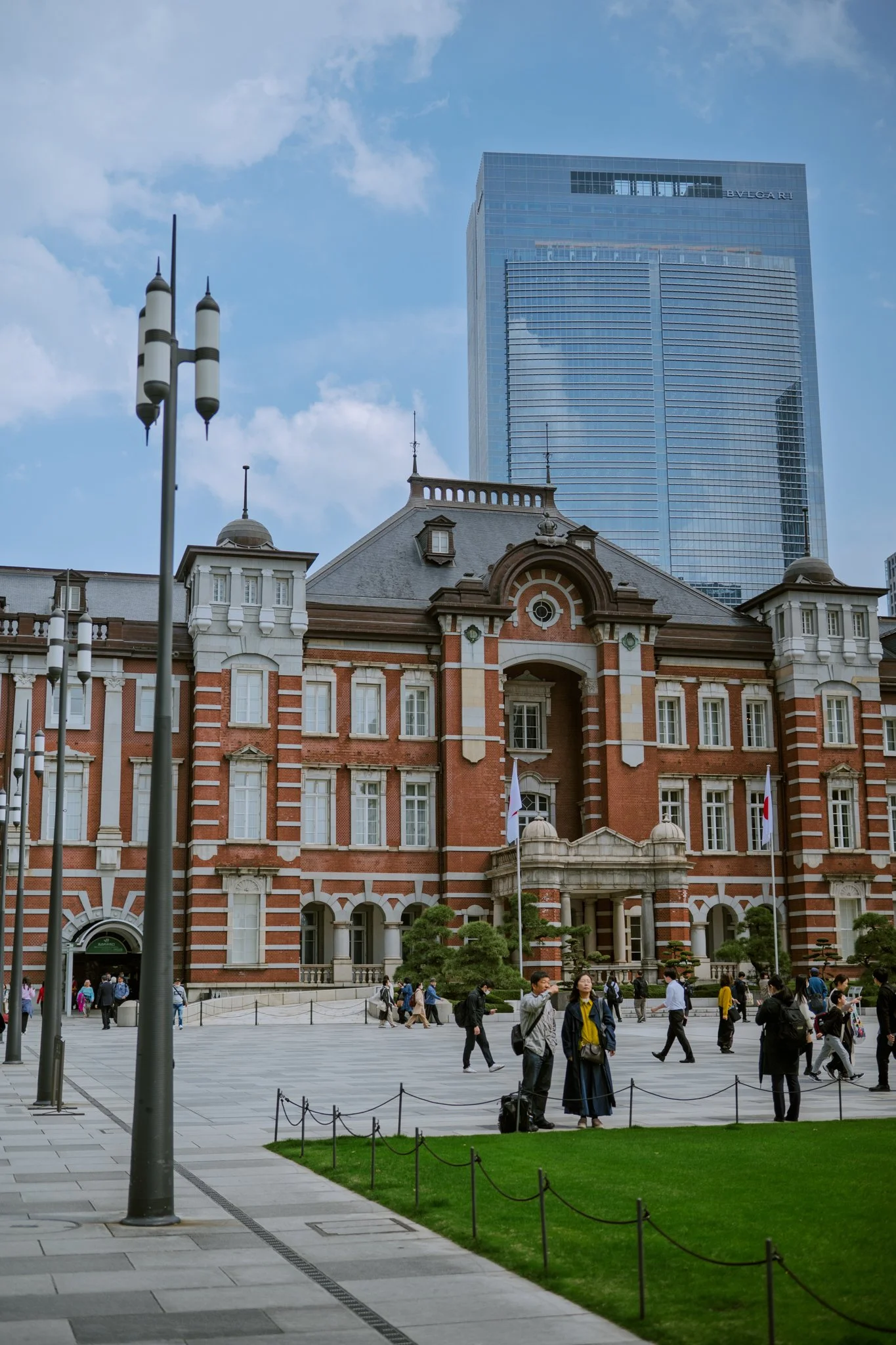
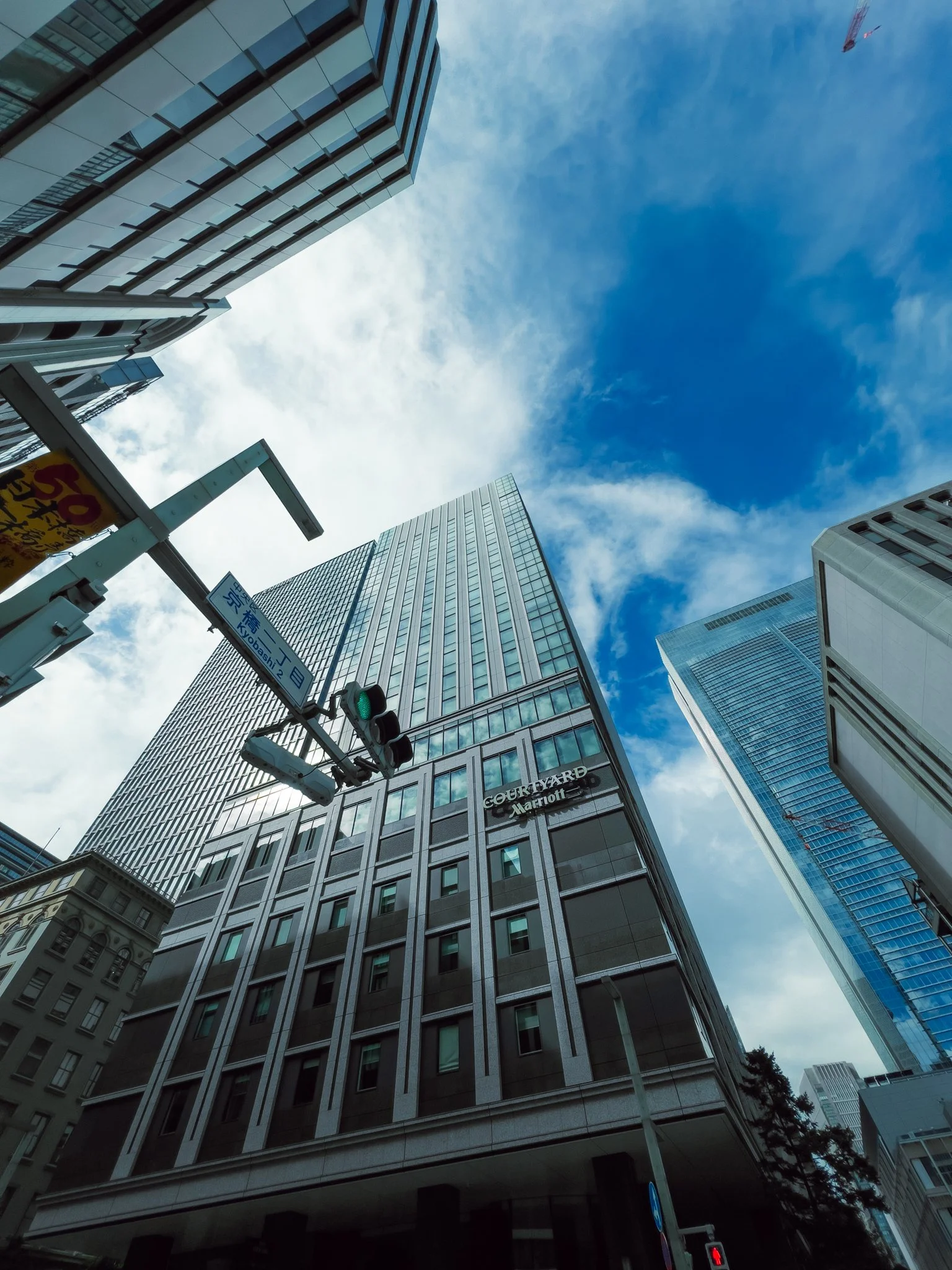
Apparel, restaurants, memorabilia, cafes, patisseries - you name it, and Tokyo Station has rows and rows of it all - at multiple levels. We were not prepared for the sensory overload that is Tokyo Station. That something could be so massive and so crowded and yet be so quiet. That something could offer so many delicious experiences and yet, be so clean. That something could be so meticulously organised and yet have so much scope for getting lost. And then, be so easy to orient yourself again. (this does not apply to Shinjuku Station) We are reminded again that the smarter move would have been to forward our luggage - so we could really explore the station. But even weighed down, we did a pretty good job of making the most of the wonder that is Tokyo Station. There are lockers everywhere, but you’ll find them getting occupied pretty quickly. While going around looking for the Ghibli Donguri Republic store (Tokyo has several of them - the most popular ones being Tokyo Station and at the Tokyo Skytree Mall), we were lead by intuition (piloted/puppeted by our hungry stomachs) to what we referred to as food court - the Kitchen Street. Tokyo Station’s food options are widely knows as Tokyo Ramen Street, Tokyo Gourmet Street and Tokyo Kitchen Street. The Kitchen Street is perhaps the best place to get an ekiben - a bento box of your choice. It’s hard to keep a straight head and make rational decisions here. If you end up buying enough food to grant you a place in the gluttony hall of fame, forgive yourself and accept that you are only human. Dannie of that moment didn’t know that the seafood bento that she picked up and in due time, wolf down in the comfort of a Kyoto hotel, would become a core memory. Crab meat so fresh, so delicious and so tender, filling heart and soul and happy hormone transmitters of the brain. Yum. A worthy allegory for Kyoto. A seafood ekiben.
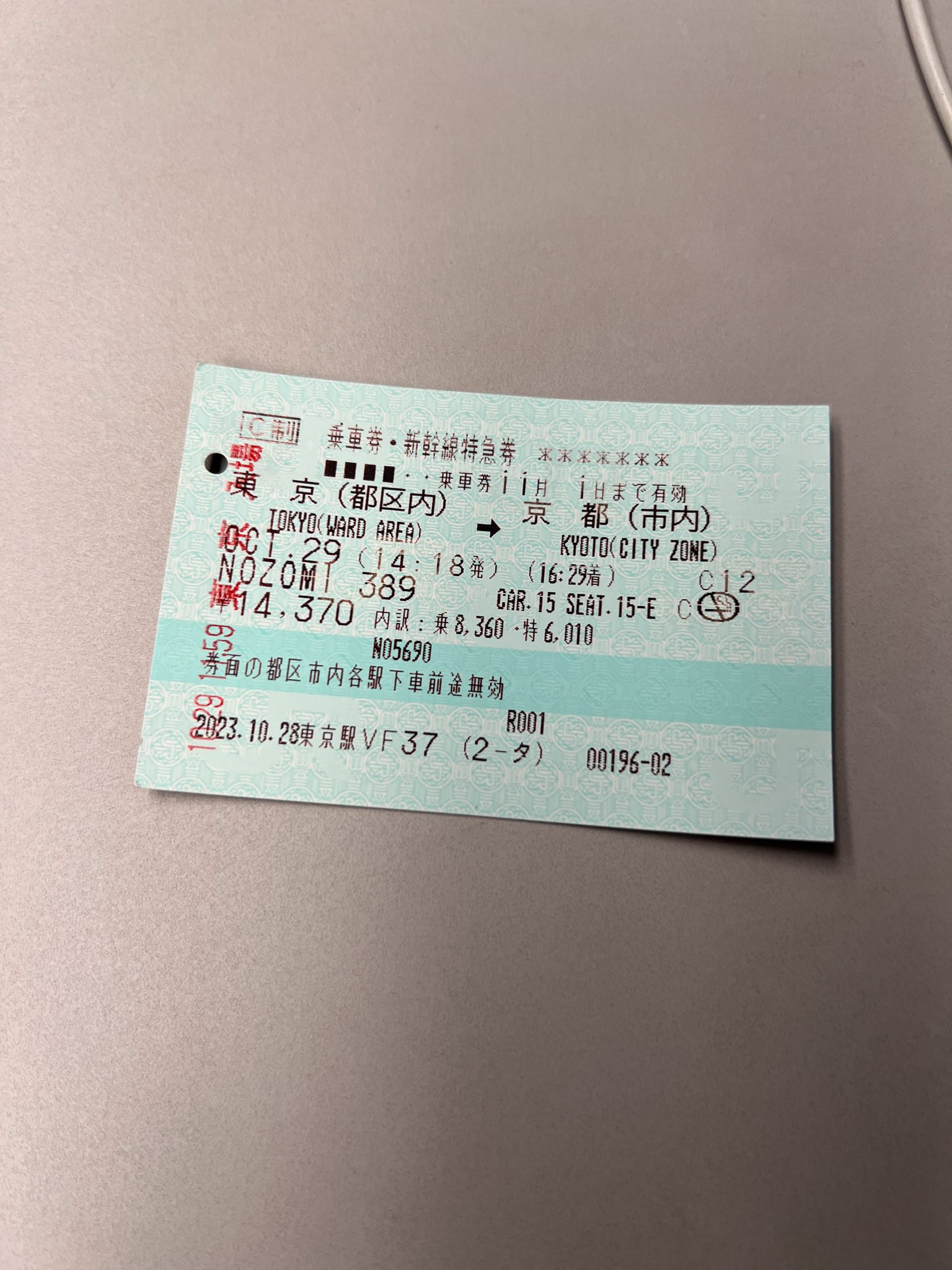
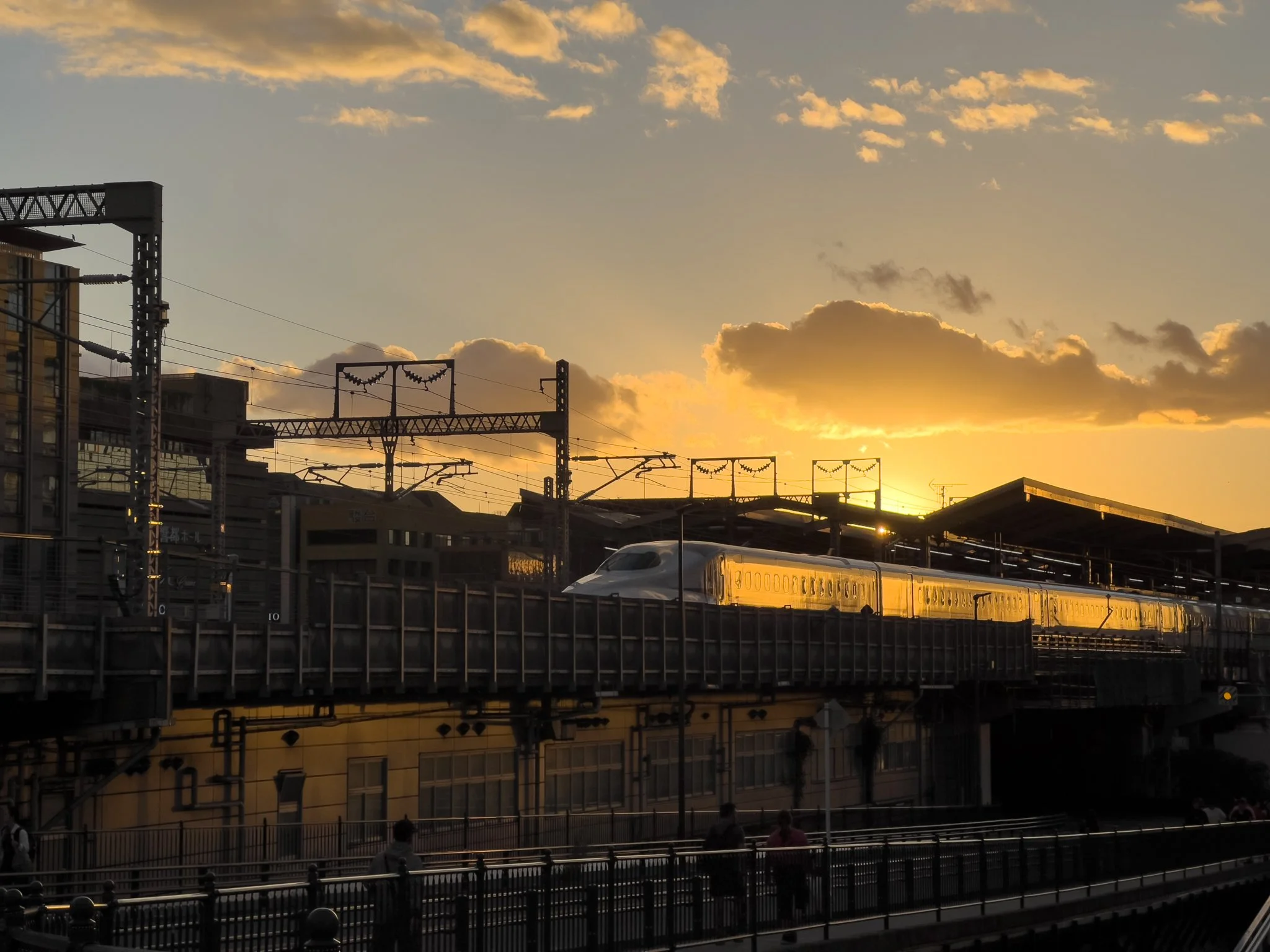
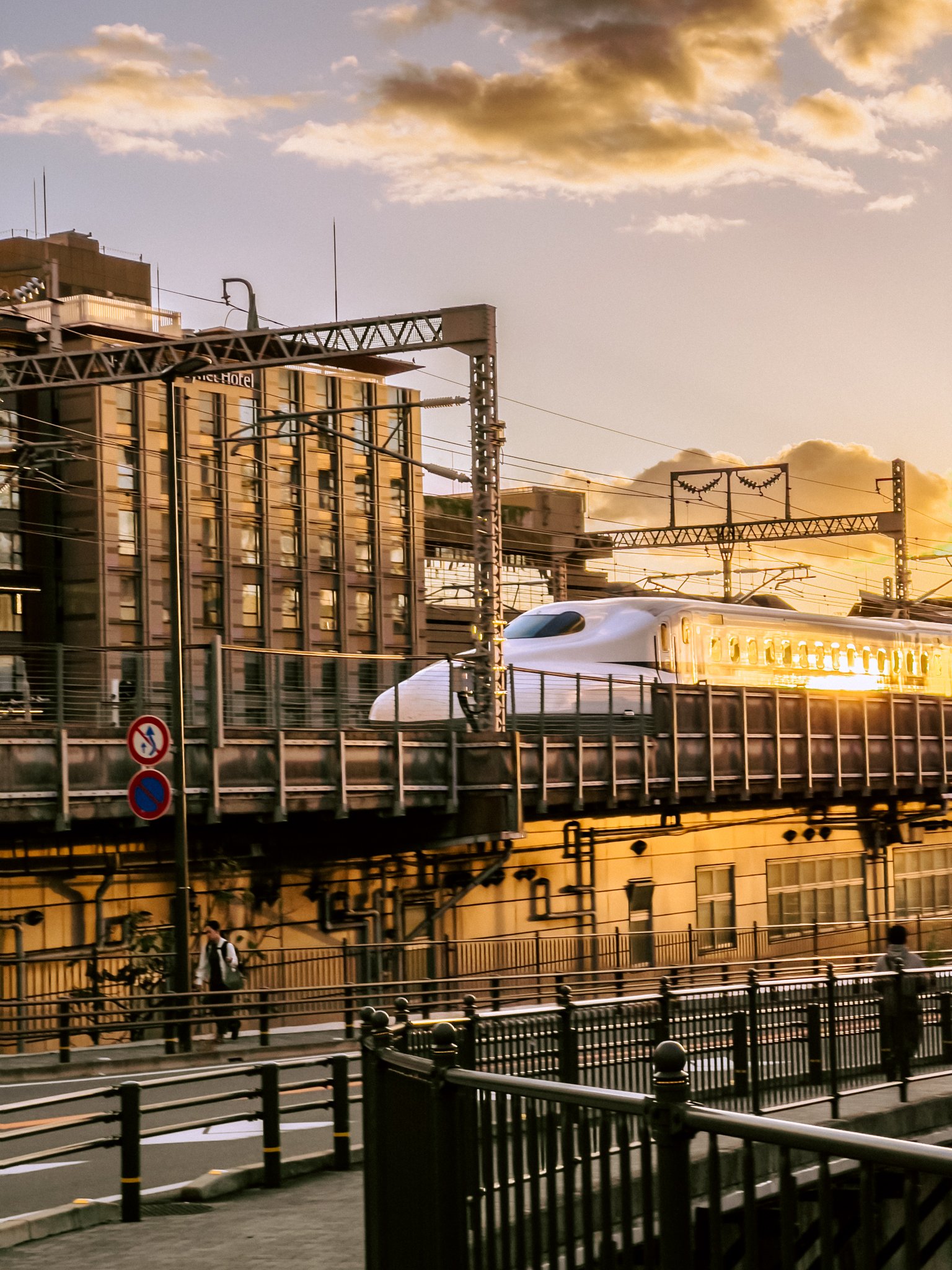
There are many bullet trains or Shinkansen, that connect Tokyo and Kyoto. And it takes only two and a half hours. We had specifically booked seats on the right side - that’s the side to catch views of Fujisan. But when the moment arrived, Fujisan decided that we were to return, and teased us with a partial view. But it was hard to be disappointed when by now we had reconciled to the fact that we were going to return to Japan. Also it’s hard to focus just on one thing, however glorious and epiphanic it is, when you’re travelling at 320 km/hr in a train, and a punctual train at that. In all my life I had never met a punctual, dependable train. For a word that also indicates discipline and the act of learning towards perfection, “trains” in Europe and India have felt more “whimsy”. Not in Japan. The bento boxes and the train snacks deserve special mention.
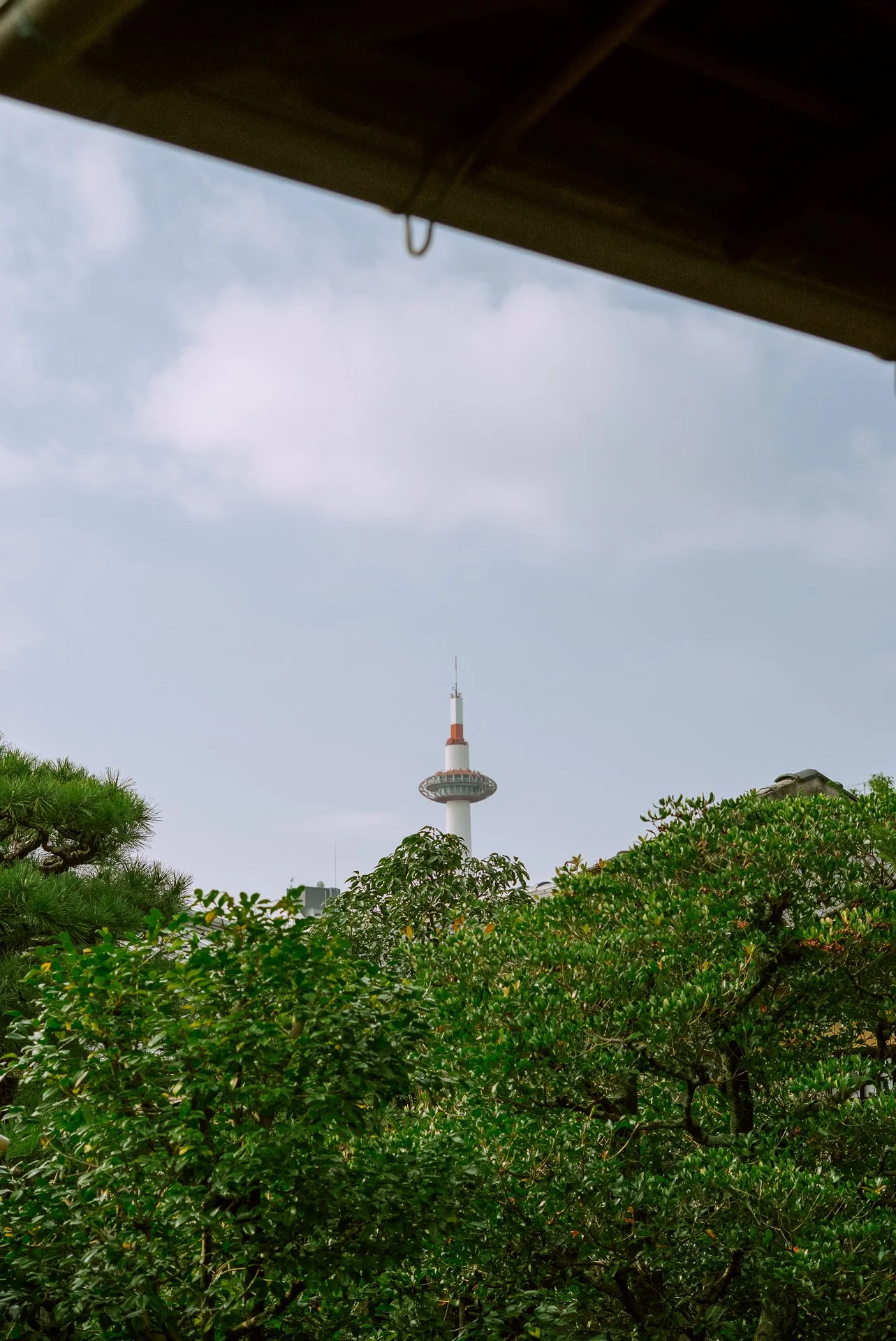
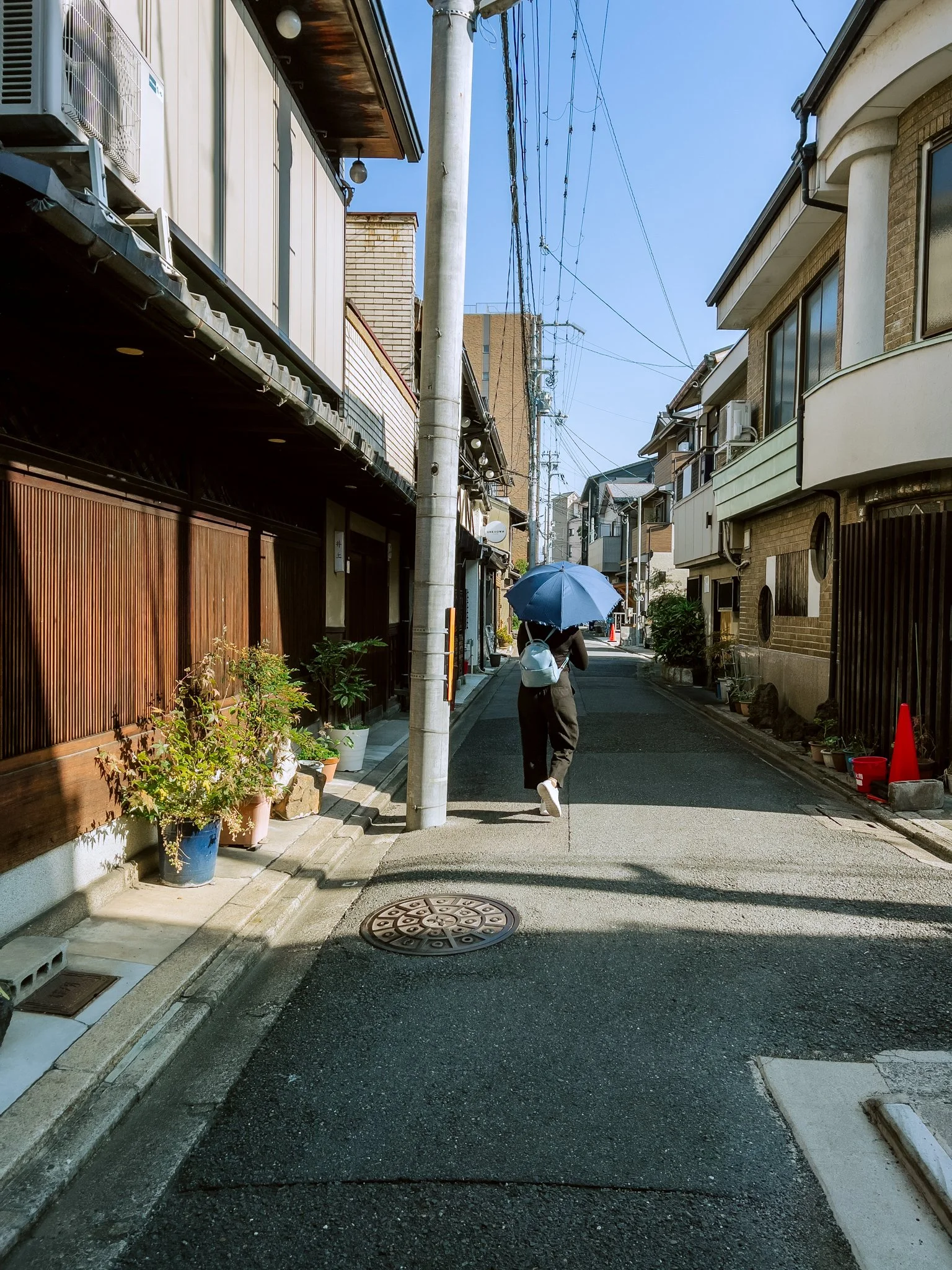
We arrived in a Kyoto, basking in a golden “highball” sunset. For the alcoholically uninformed, a highball is a whiskey-soda drink filled to the brim with ice and effervescence. The dusk was a geiko preparing for an evening of art, culture and magnificence, who simply couldn’t take her eyes off her own reflection. Did you know a geiko is a geisha from Kyoto and Geisha, is a, umm geisha from Tokyo? The Shinkansen we had alighted from, was a golden bullet - shooting out of the station to its next destination. Staying in the Higashiyama neighbourhood meant that we could quickly stroll our suitcase down to our hotel. No sooner had we crossed a few streets and we seemed to slip into the very heart of a time warp. In the horizon, the Kyoto Tower stood sentinel, anchoring us to the present. The past sneaked upon us, sweeping grey filigreed rooftops nestled among modern concrete geometry. Machiya-styled houses lined the narrow streets and in the fading amber light and cicada-song quiet, we were ready to believe that time had done funny business and we were bang in the middle of the 1800’s or something. There is something about being able to hear the crunch of gravel beneath your feet that takes you back to I couldn’t have asked for a more enchanting welcome.
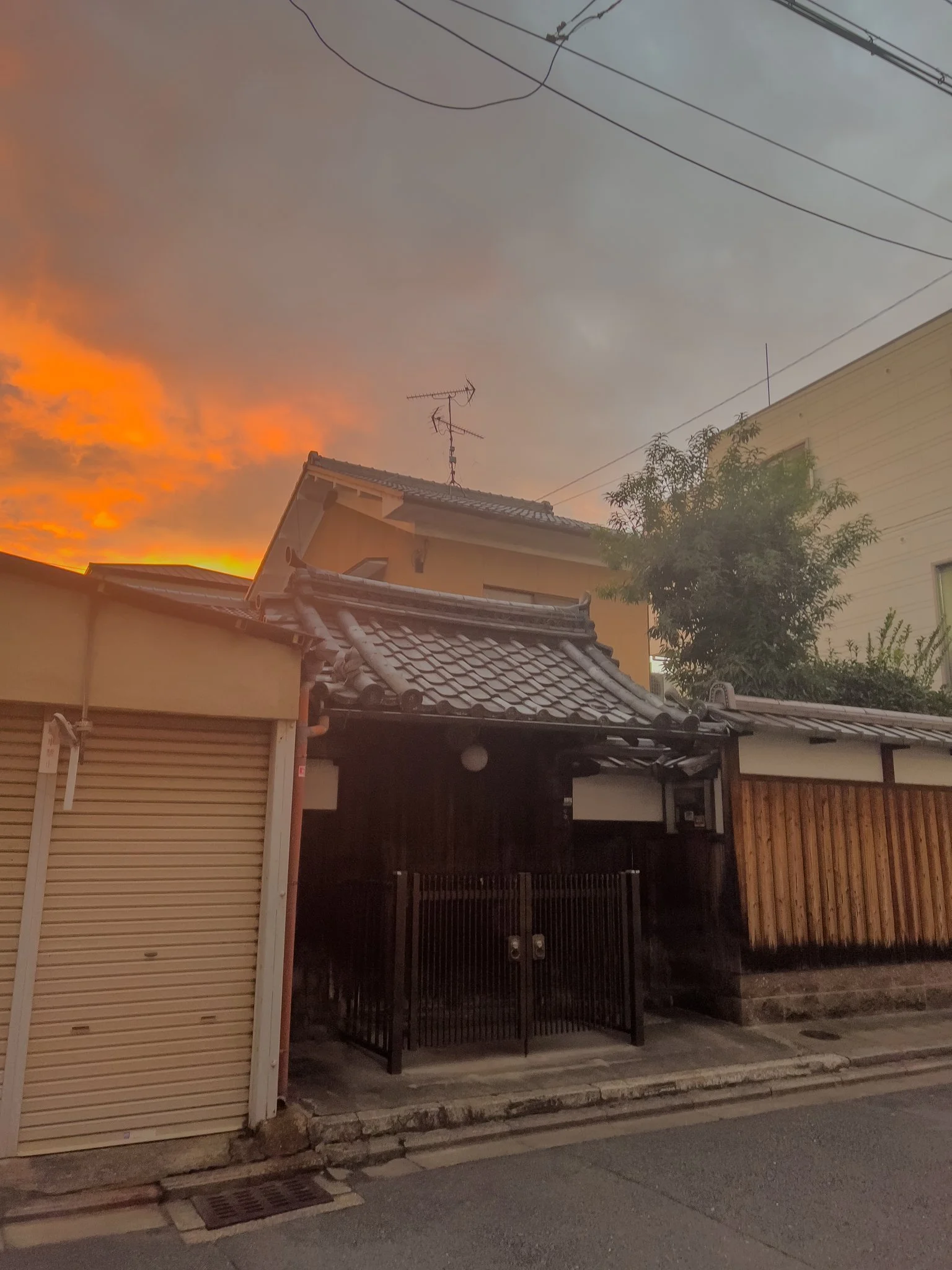
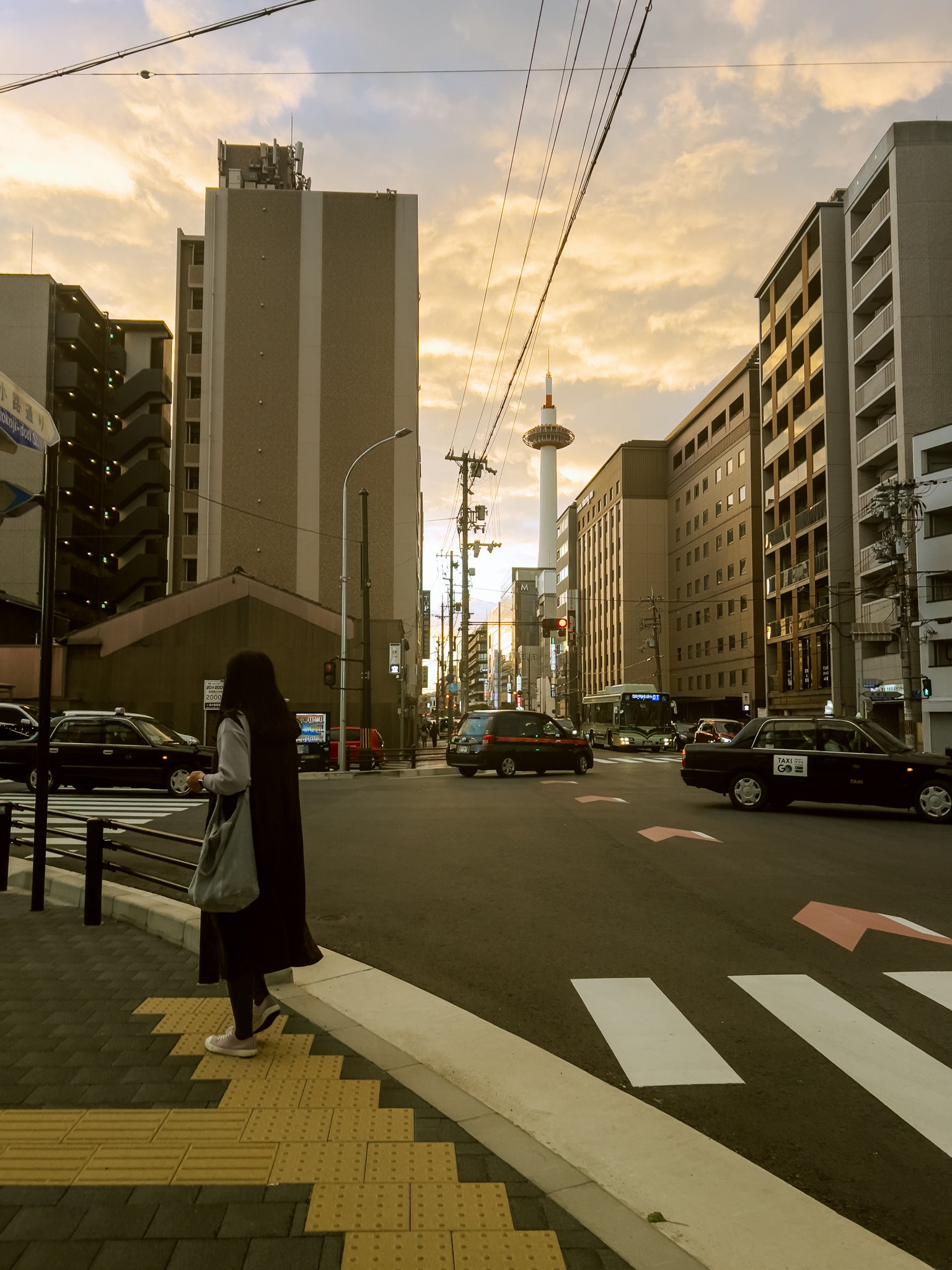
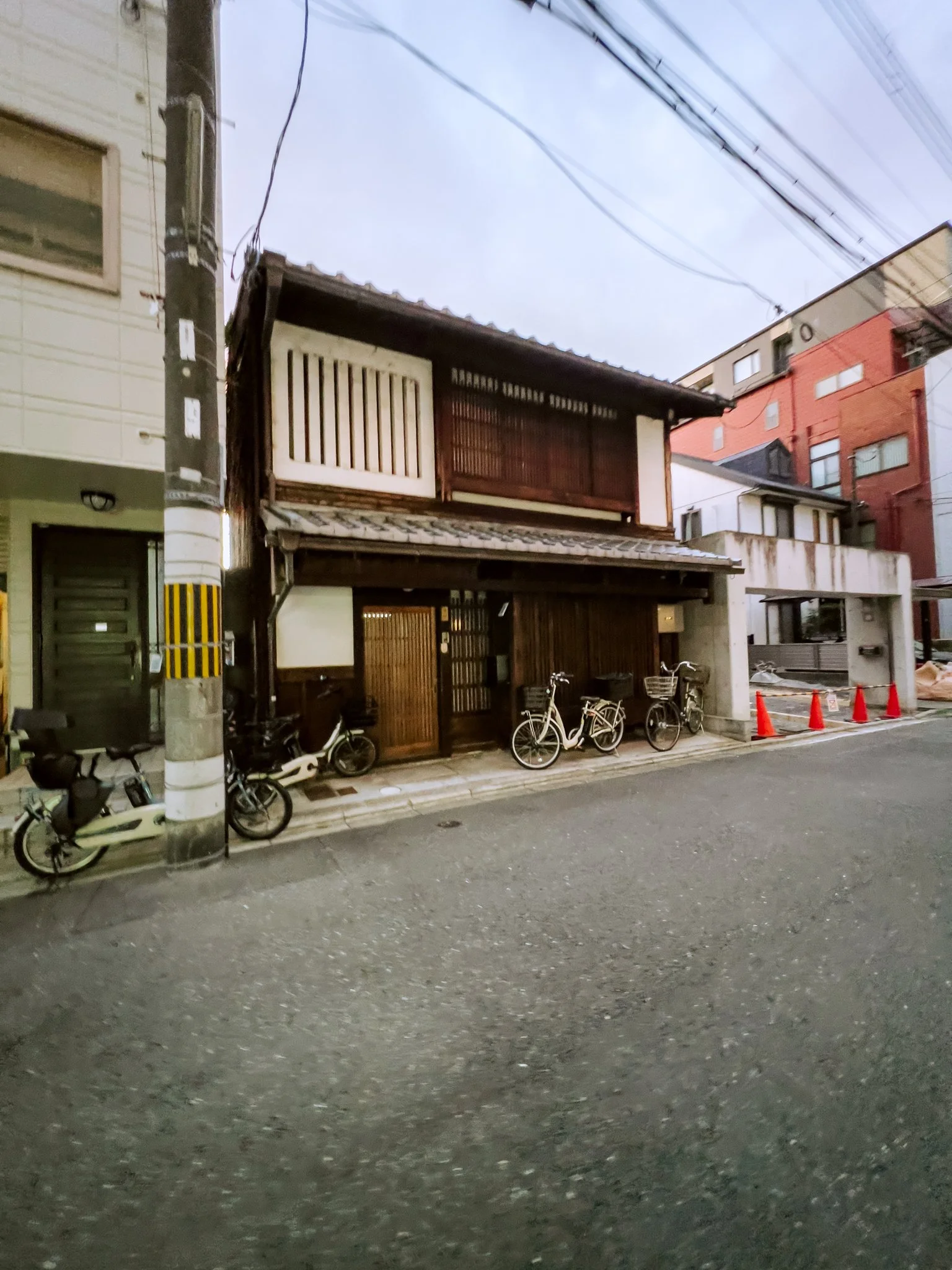
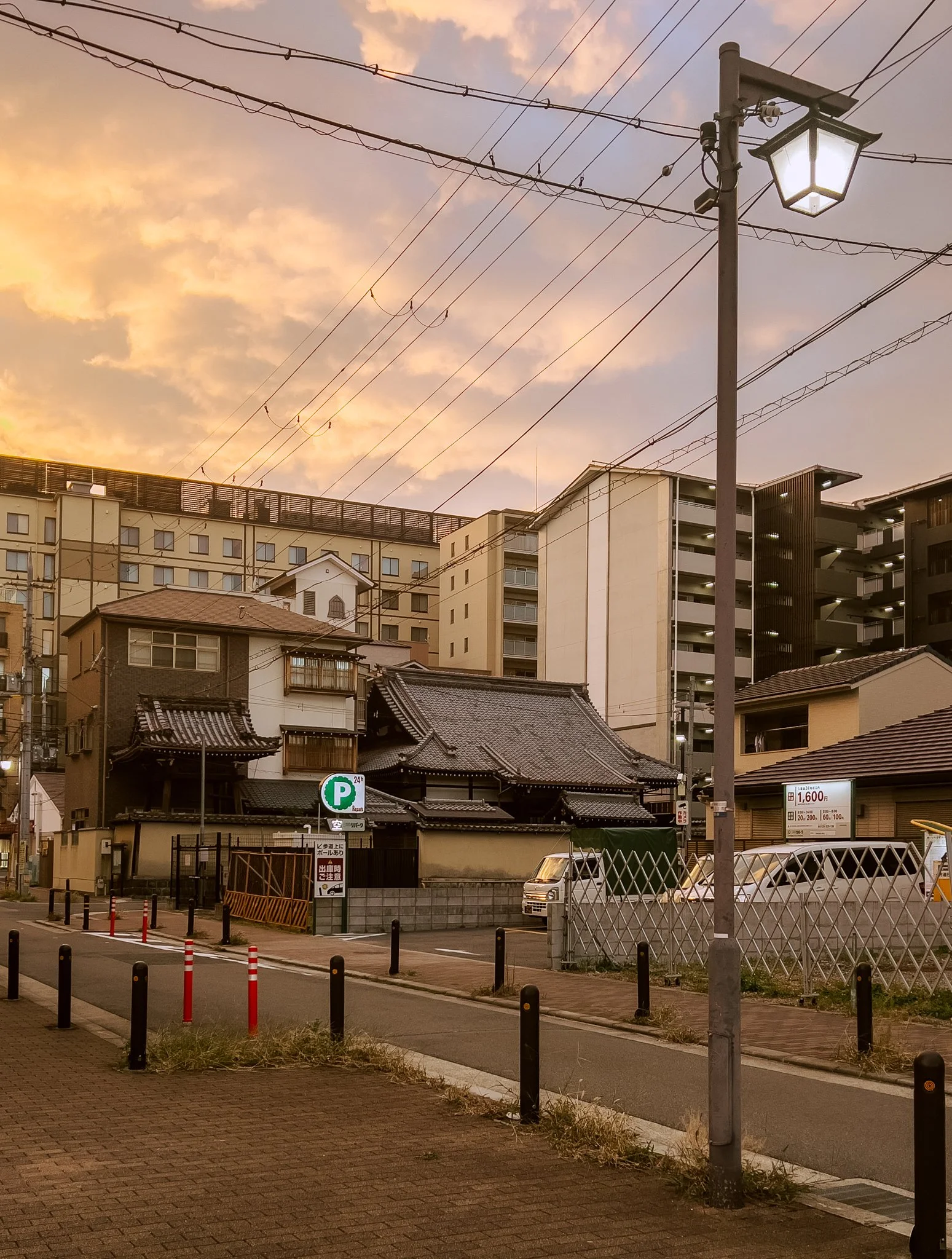
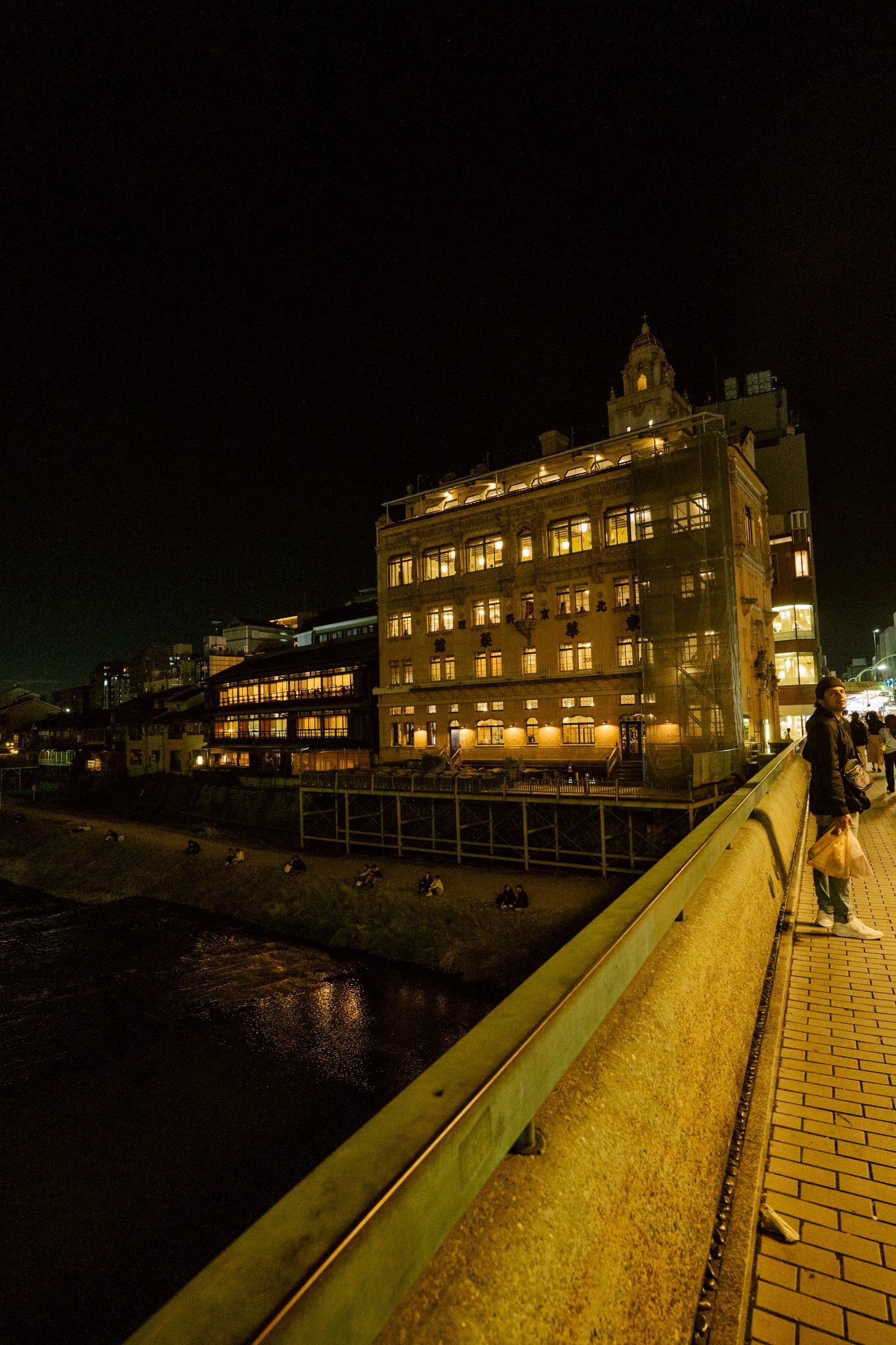
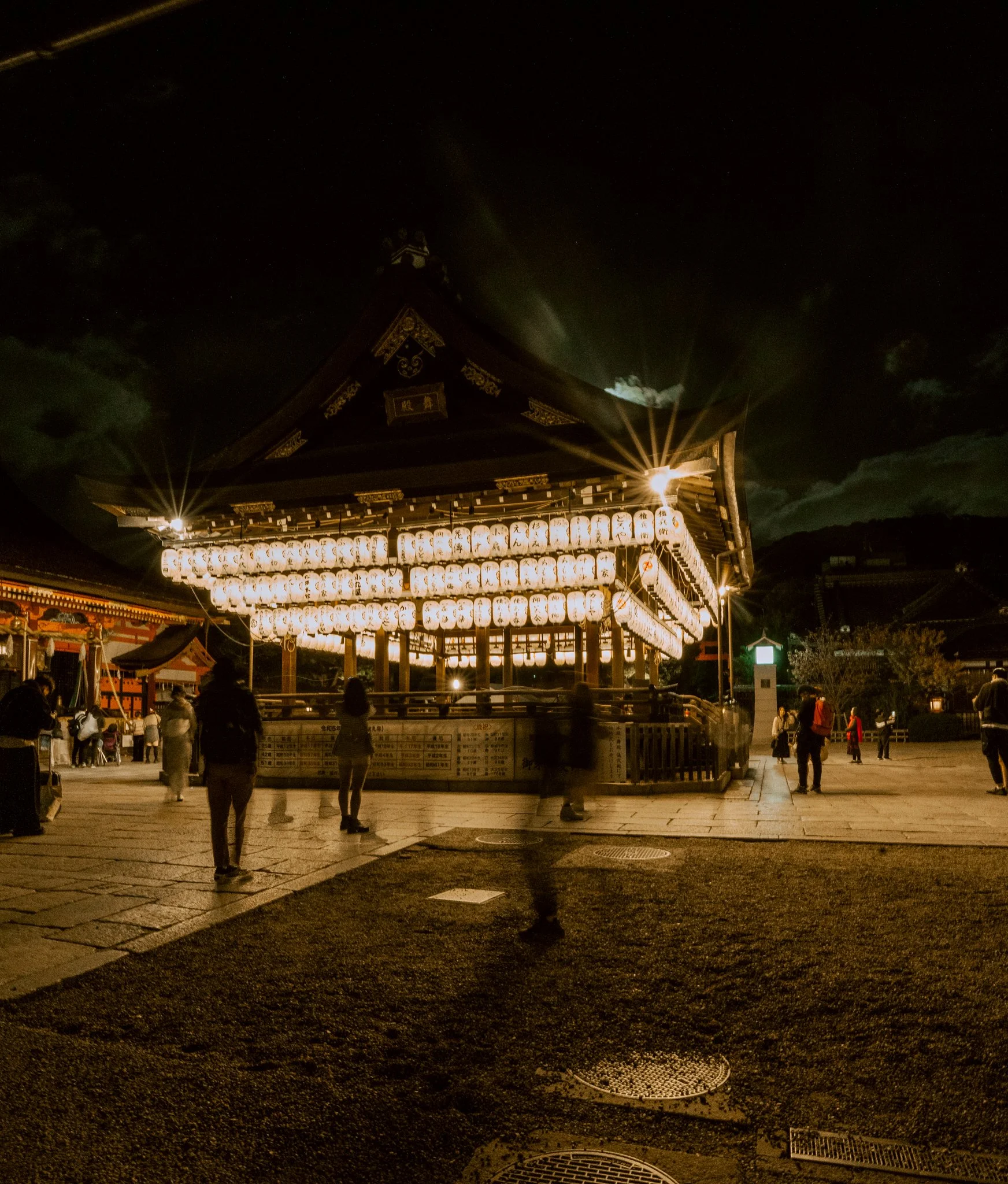
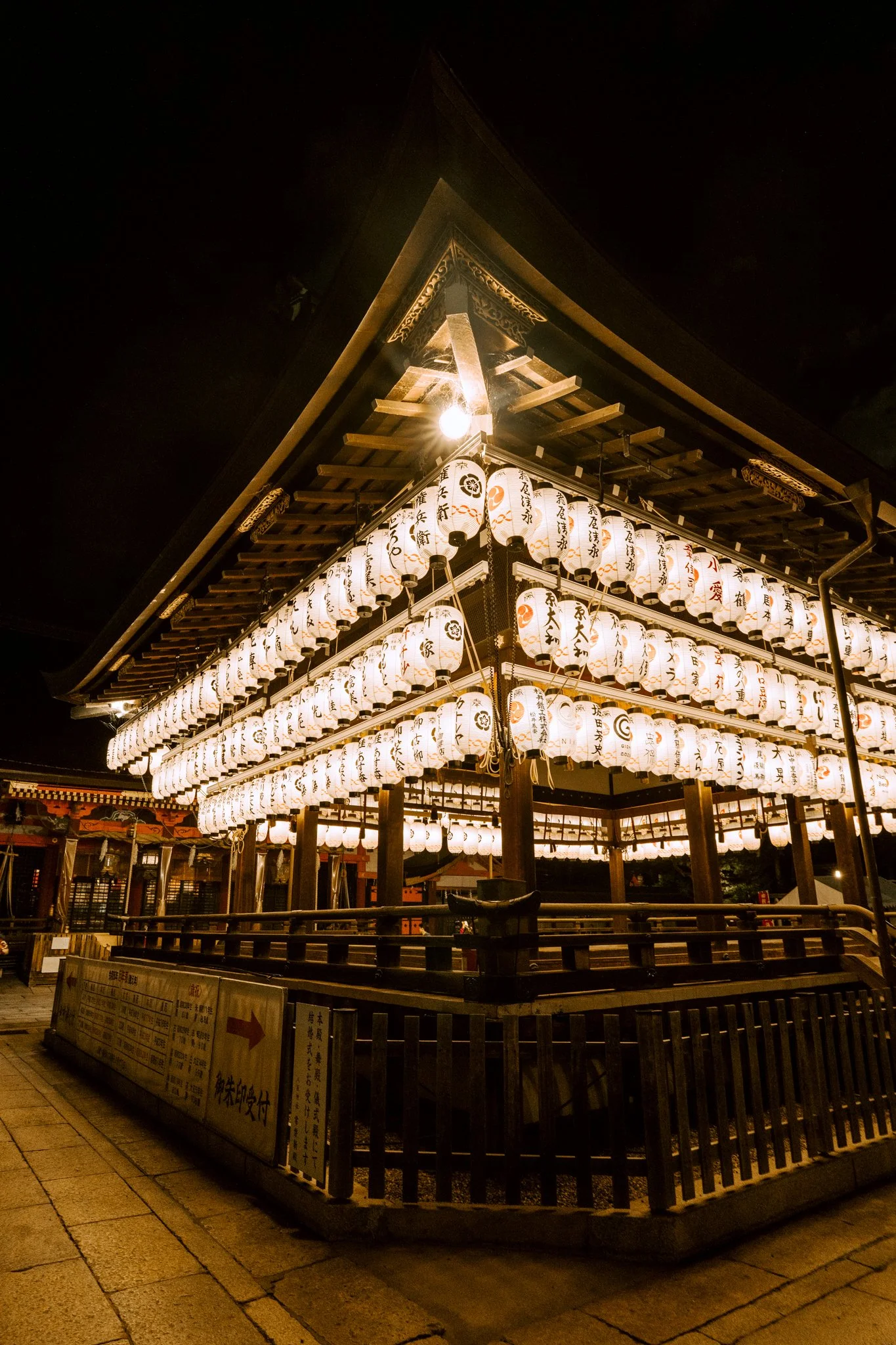
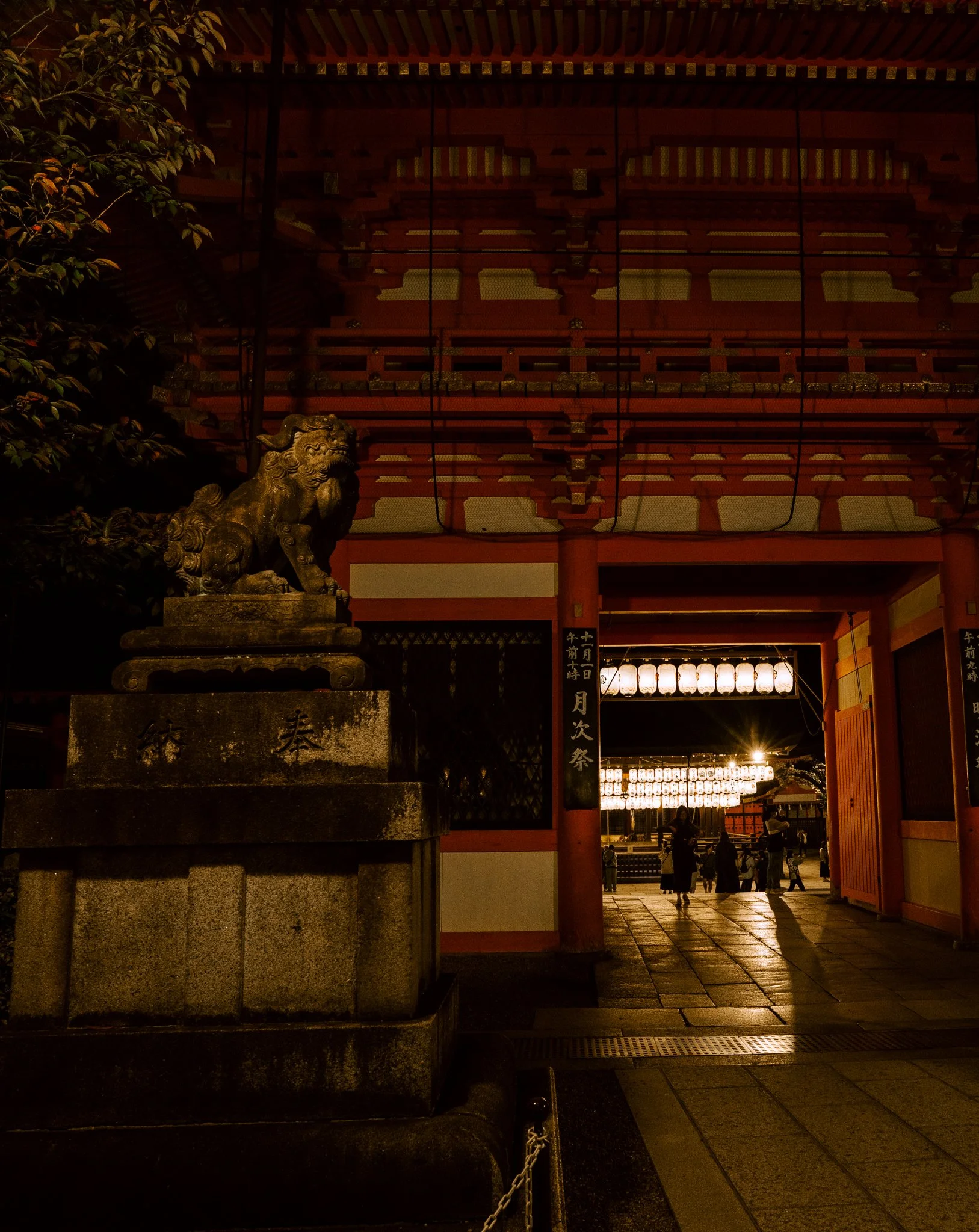
We checked into our hotel - a laid-back boutique place, with a much bigger room - so yeah, small rooms are just a Tokyo thing. And by nightfall, we were missing our routine konbini-run. So off we went looking for a konbini - or at least in theory. We’d barely stumbled out of our hotel and we were upon the Kamo River. There is something like amounts to a sort of like a city’s benediction, when you find yourself near a river. Like the city deemed you worthy enough to be at close quarters with so vital a force. The November chill was quite acute on the banks of this river and yet, in the dark we could spot silhouettes on its banks and dry spots. On the side of the banks, there were beautiful buildings decked out in soft yellow light. The avenues are lined with cherry trees and I imagined them to be laden with sakura in the middle of November. It costs nothing to imagine. Our wandering took us to the Yasaka Shrine. It stands at the end (or beginning) of a long avenue of shops, an imposing red gate set against a backdrop of forested hills. You just know those forests are thick with demons and spirits. The Shrine with its bright gates stands like as though it’s the last outpost of rhyme, reason and moral governance. Beyond it lies chaos.
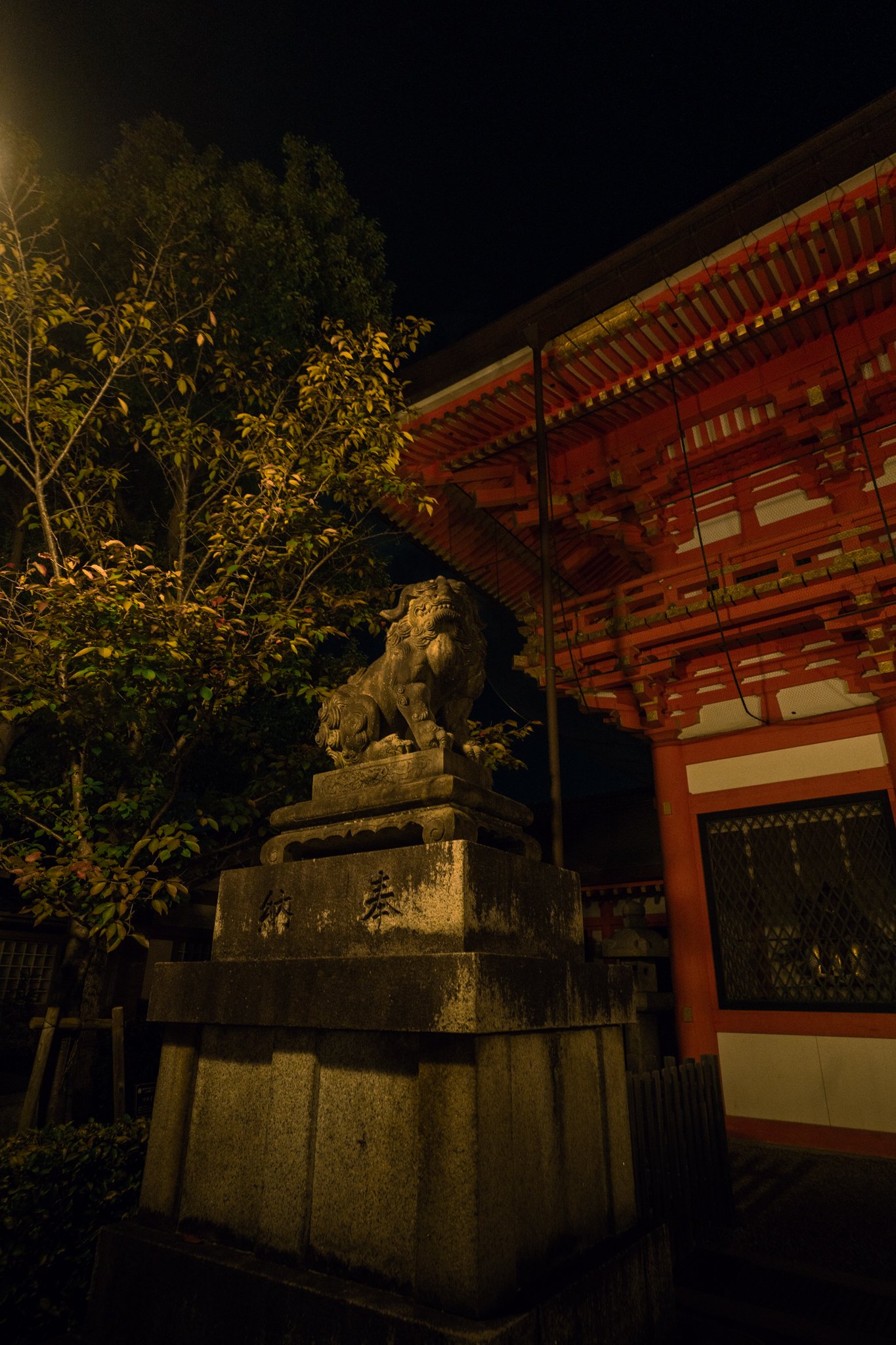
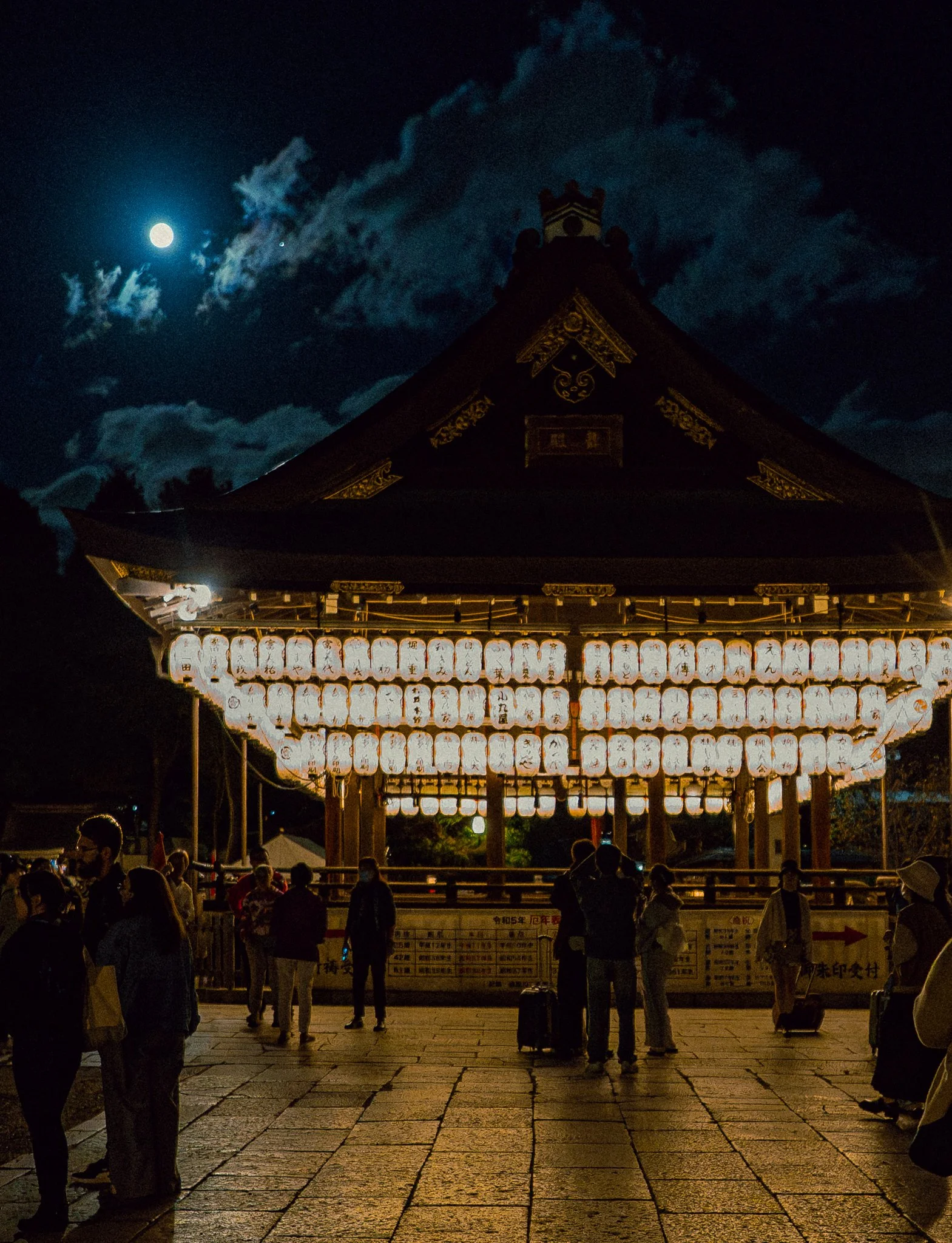
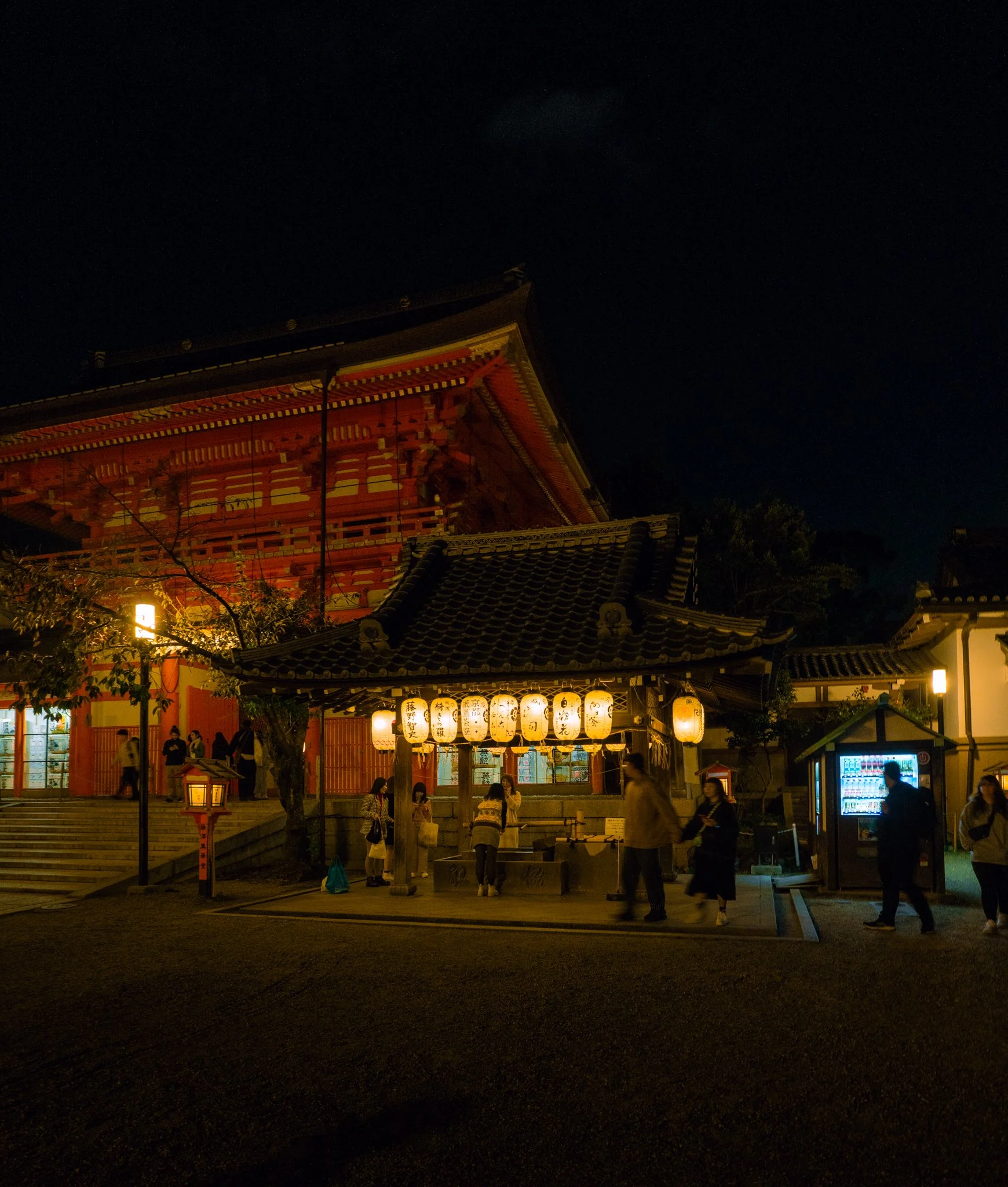
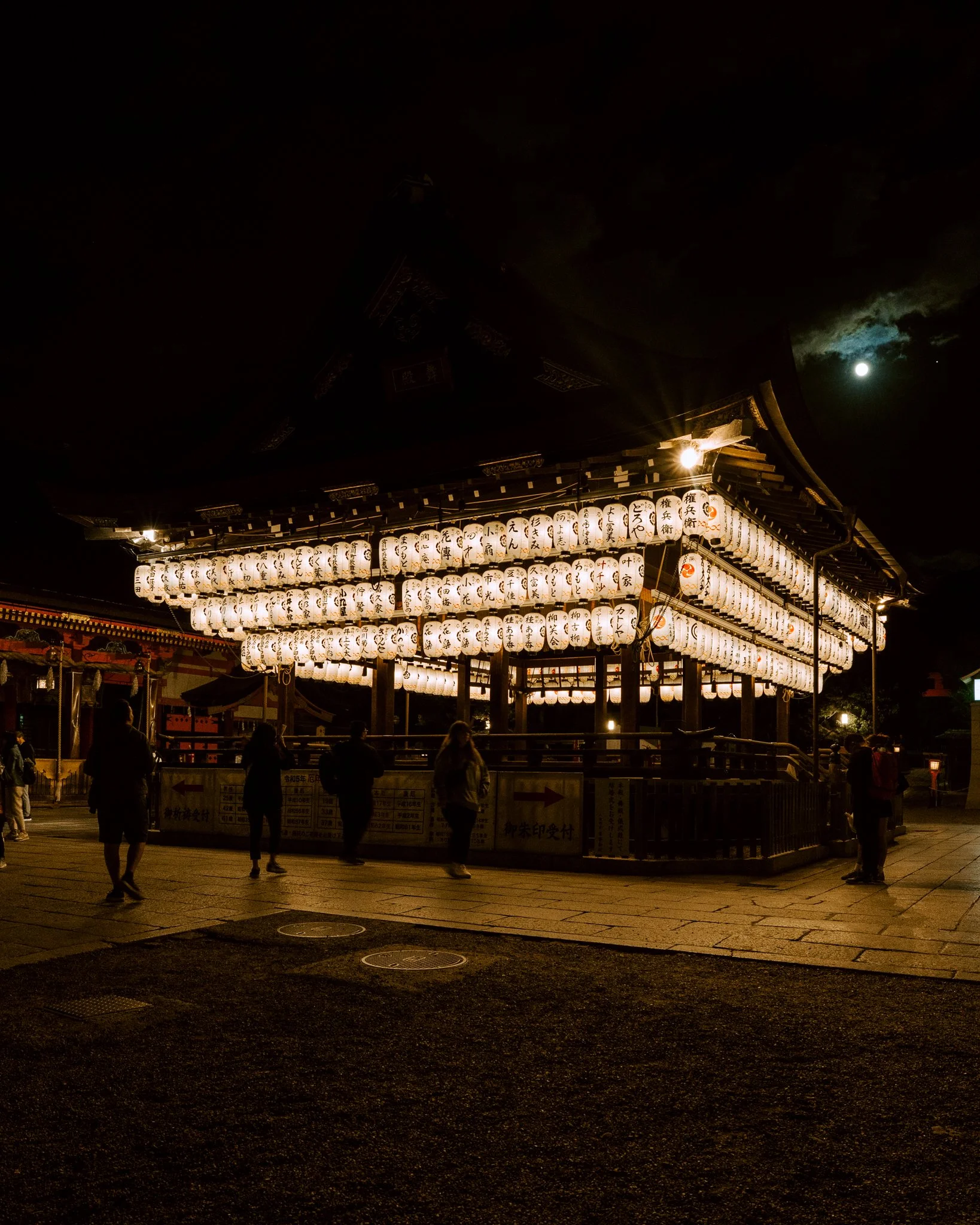
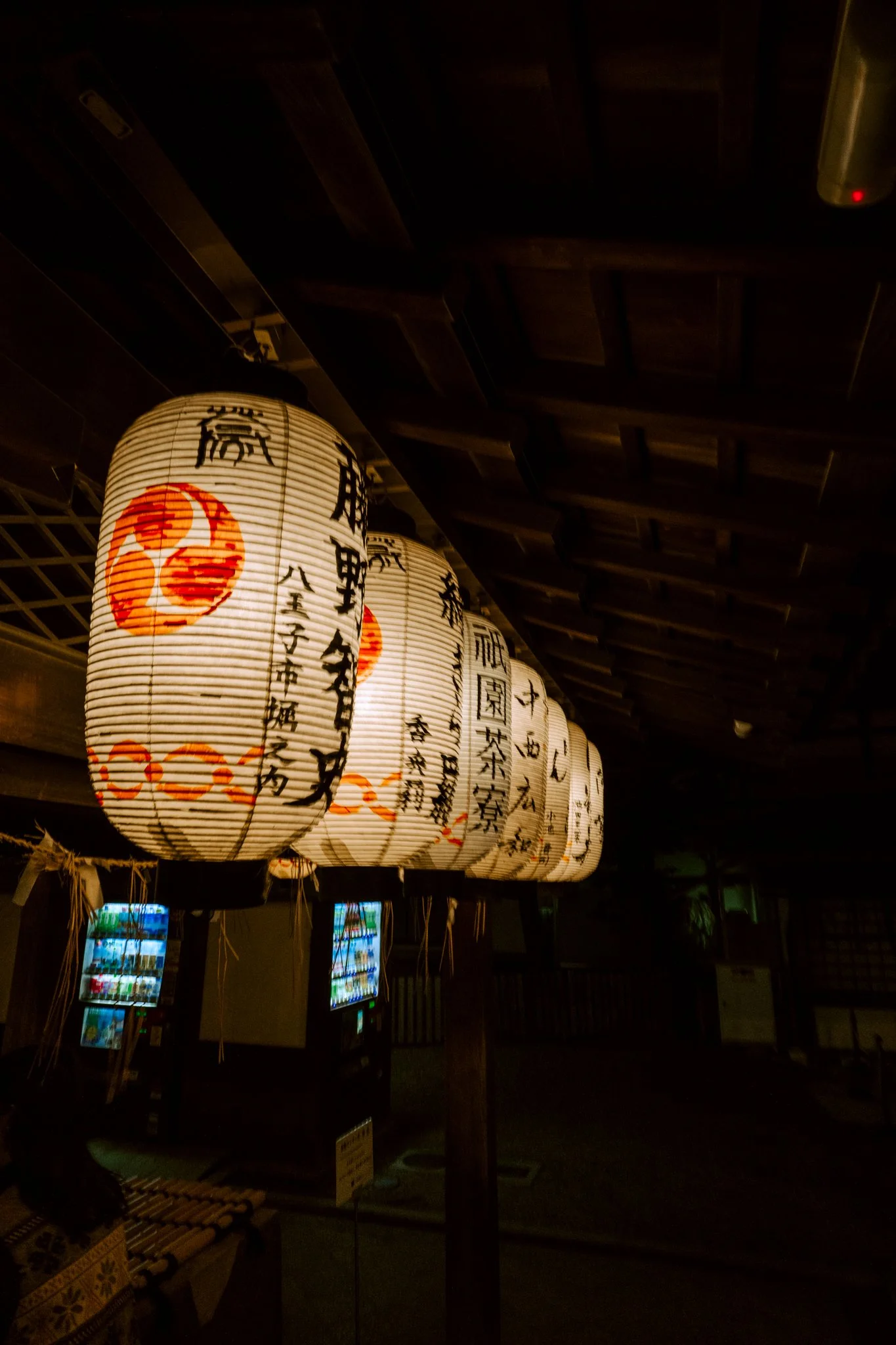
Inside the gates was an atmosphere of Shinto mysticism. The main prayer hall decked with bright lamps stands out, bright and dramatic. Like I mentioned, despite being in the city centre, Yasaka Shrine is enveloped by this “come too close and it will catch and swallow you”, kind of darkness. You find yourself nervously clinging to the light. The sky was crawling with dragons, circling a pale hunter’s moon. Perhaps in pursuit of Amaterasu, the sun goddess. The legend goes that a lunar eclipse is the sun deity Amaterasu going to hiding from her temperamental brother (men are quite problematic, aren’t they), Susanoo, the storm god and resident deity of the Yasaka Shrine. Above us, a partial lunar eclipse was in progress and the dragons got more dramatic and urgent in their hunt. Inside my body, Kyoto had neatly and decisively, sank a fish-hook into my heart. Kyoto would forever be a wind stirring the tall grass-field of my skin into goosebumps.
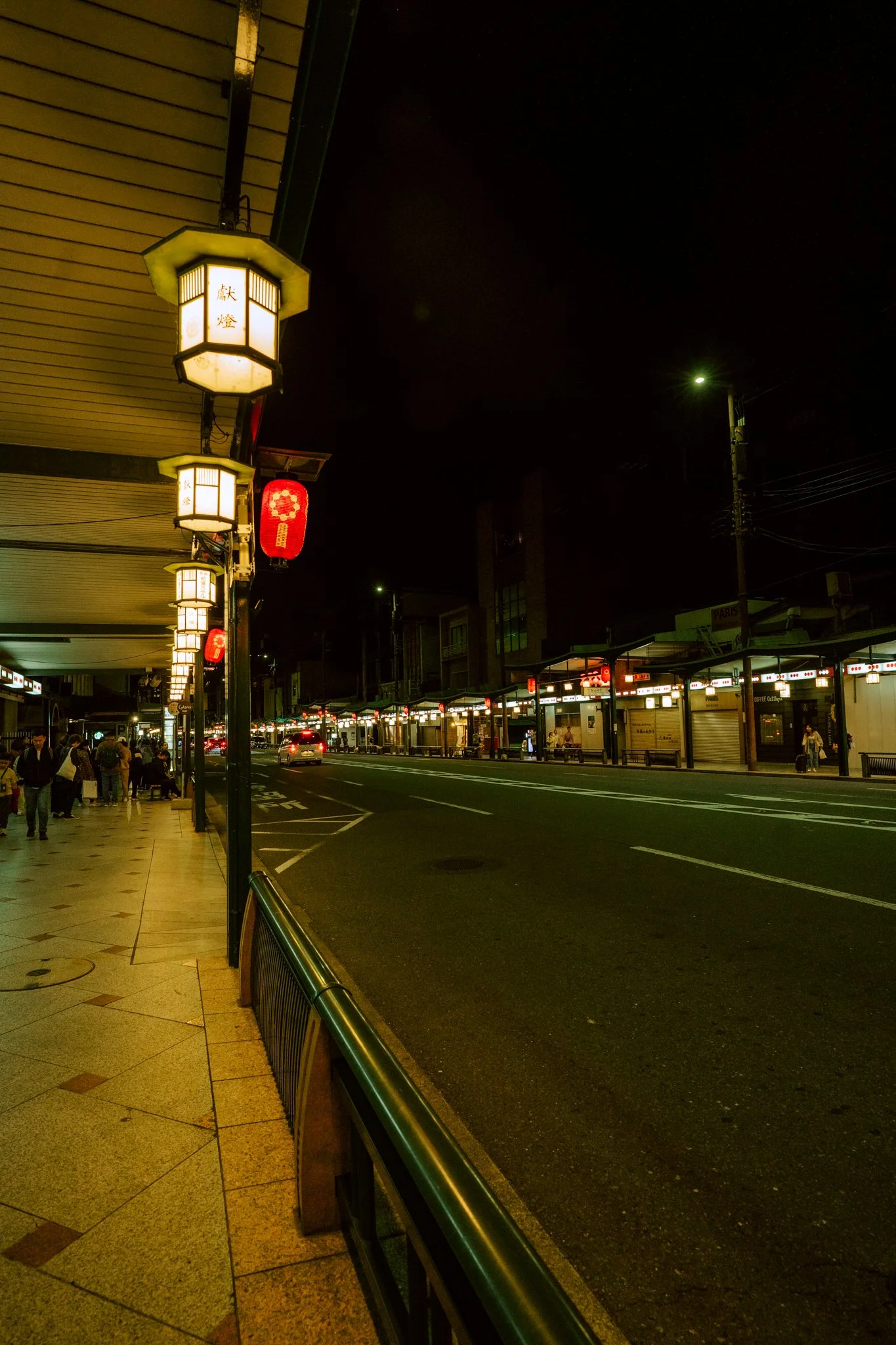
Our first Kyoto morning was a gift - crisp, with a hint of chill and fresh November sunshine - just the kind that works up an appetite and good thing that, cause eating was on the agenda. One of the reasons why I love Japan is just how affordable it is to be “experimental” with food. There is just no need to mix food with unpalatable/ unsavory words like budget. And given the state of the Rupee, this reason seems to be ageing quite well.
The River Kamo by daylight was a place of silvery, laughing streams. River sprites watched us from behind dancing river grass. The river was beginning to dry up for winter and its pebbly river bed sparkled in the November sun. It was a made-to-order Kyoto morning and we were going to challenge our digestion at the famous Nishki Market. As if to give his stomach a bit of a warm-up, Sahit stopped by a cute little dessert place for some delicious baked goods.
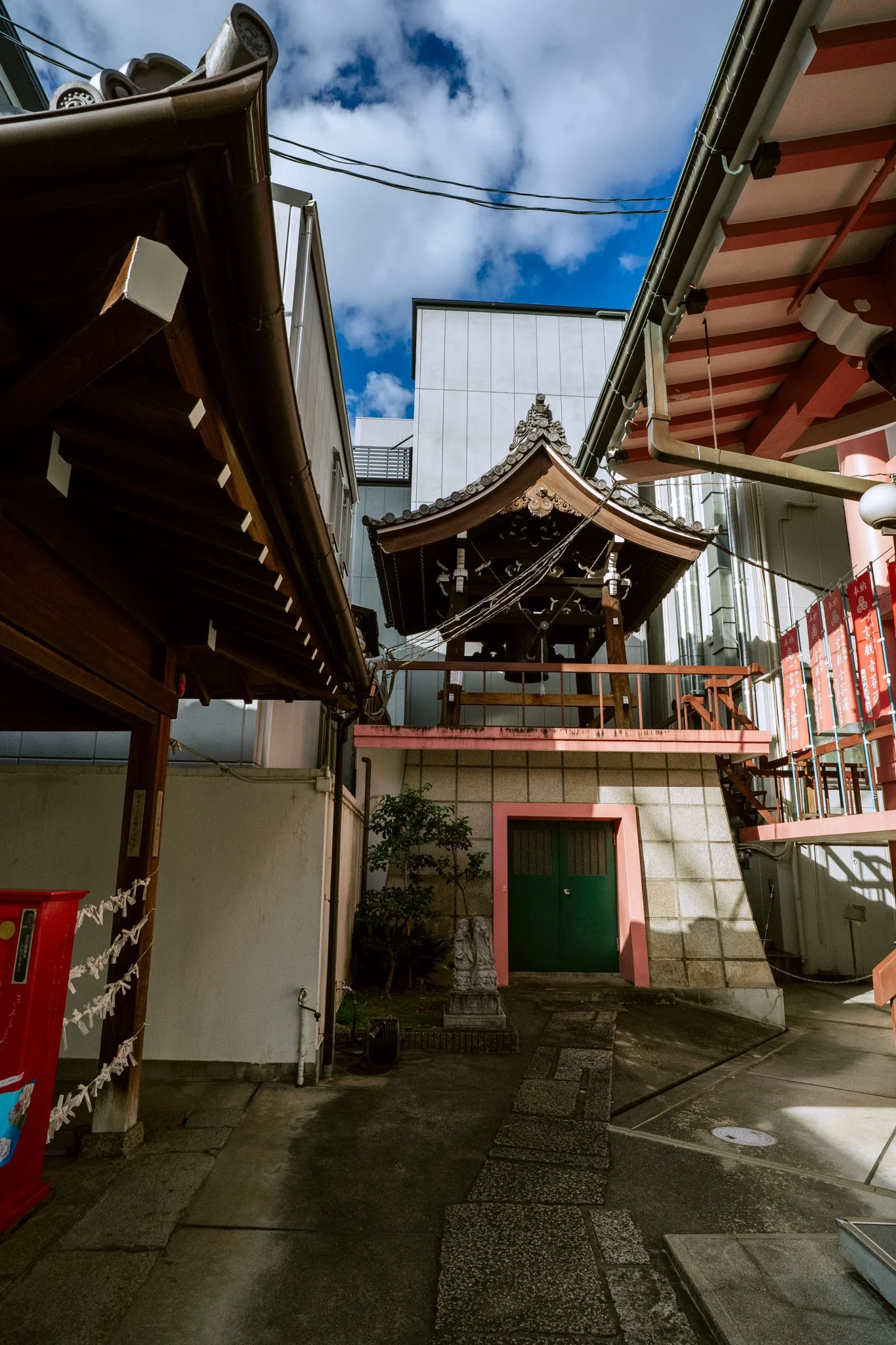
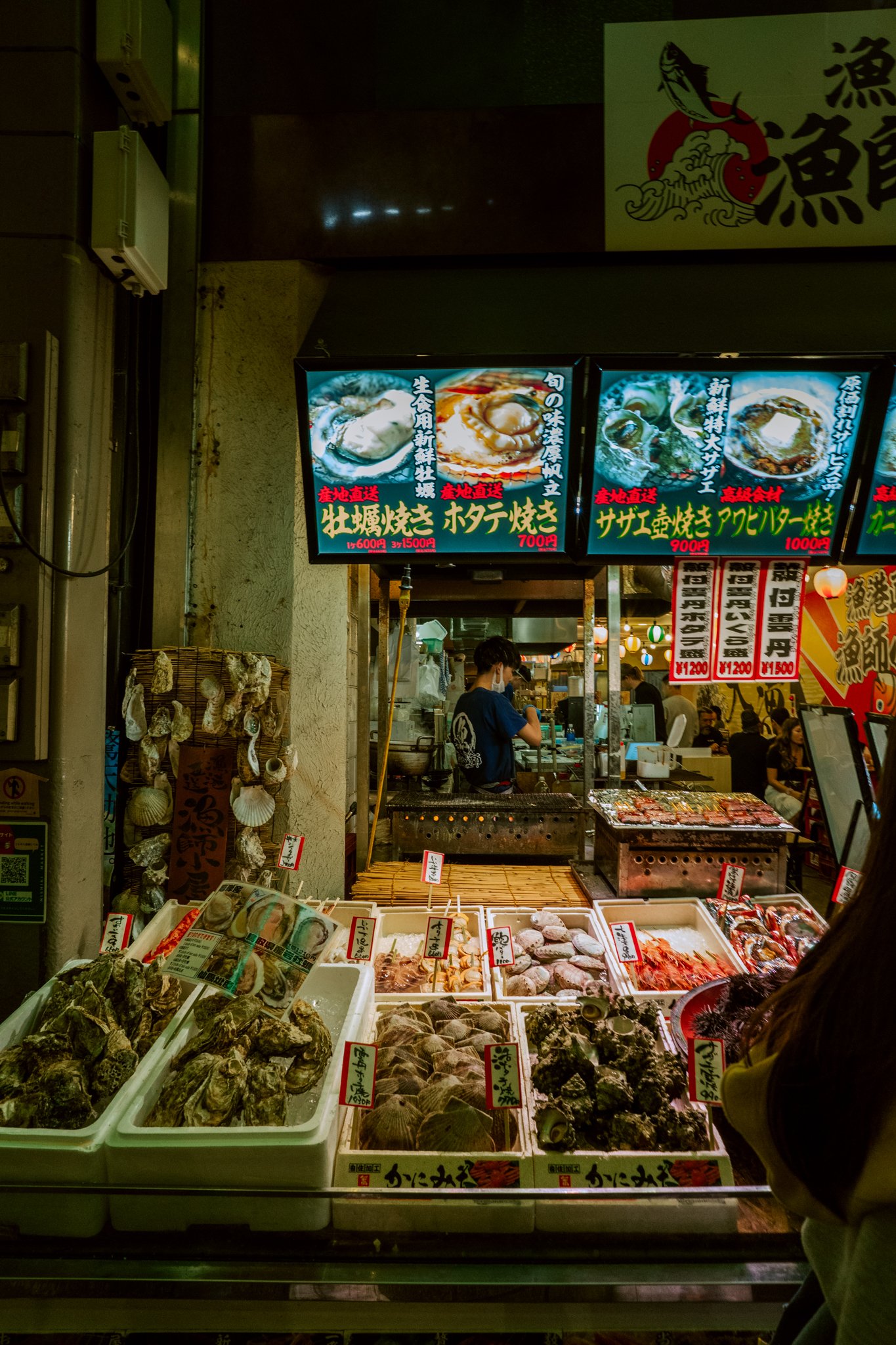
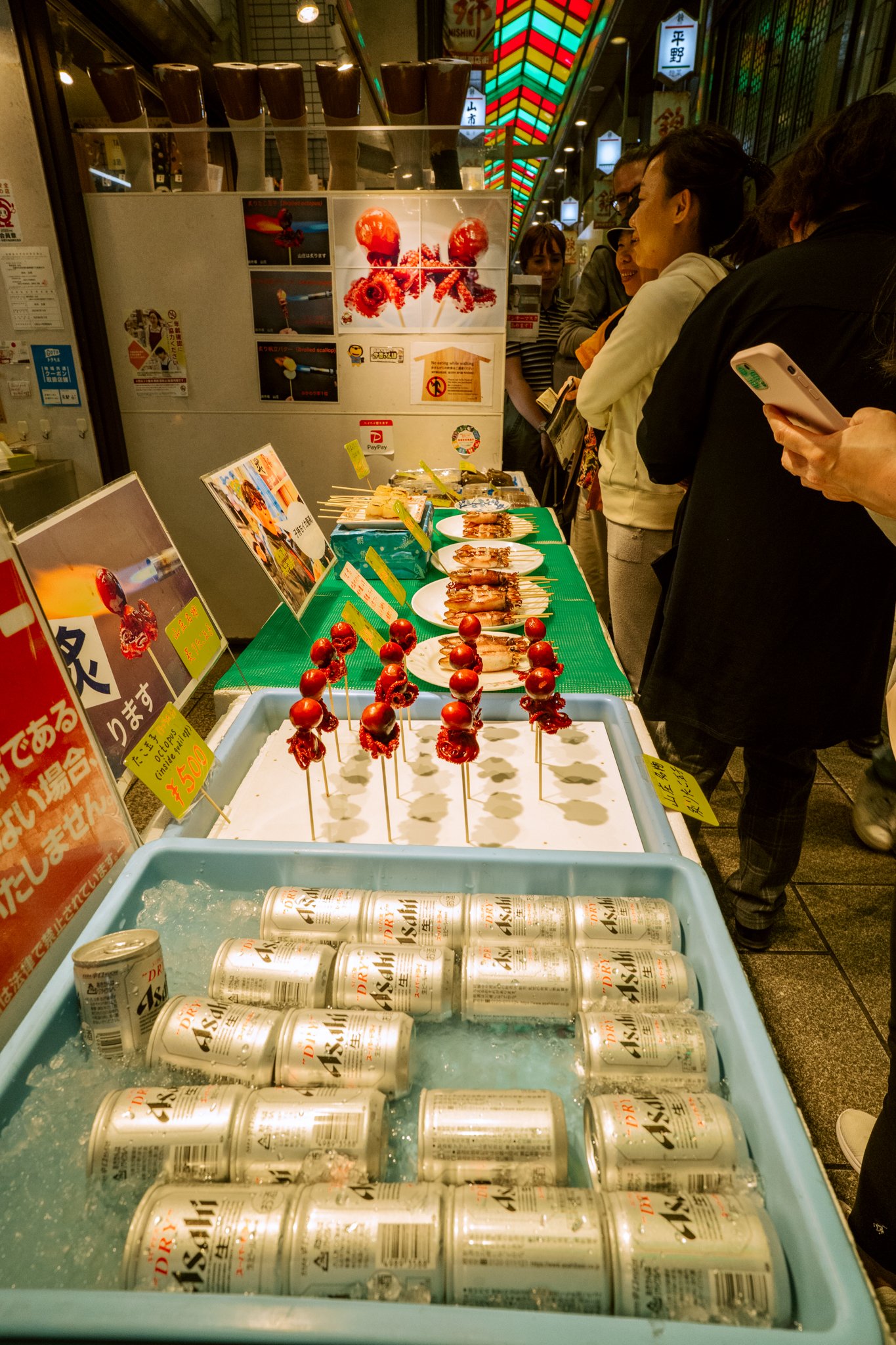
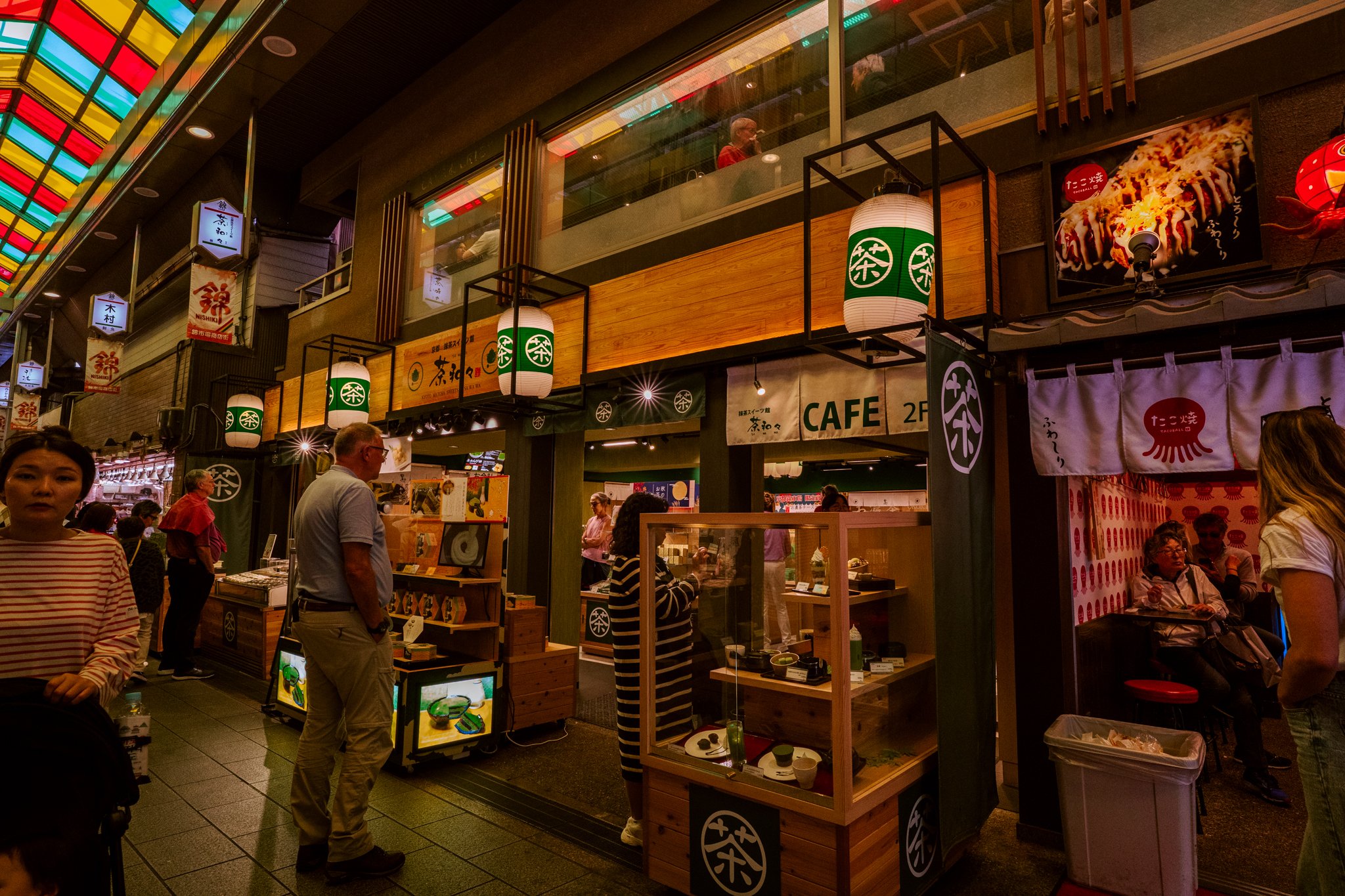
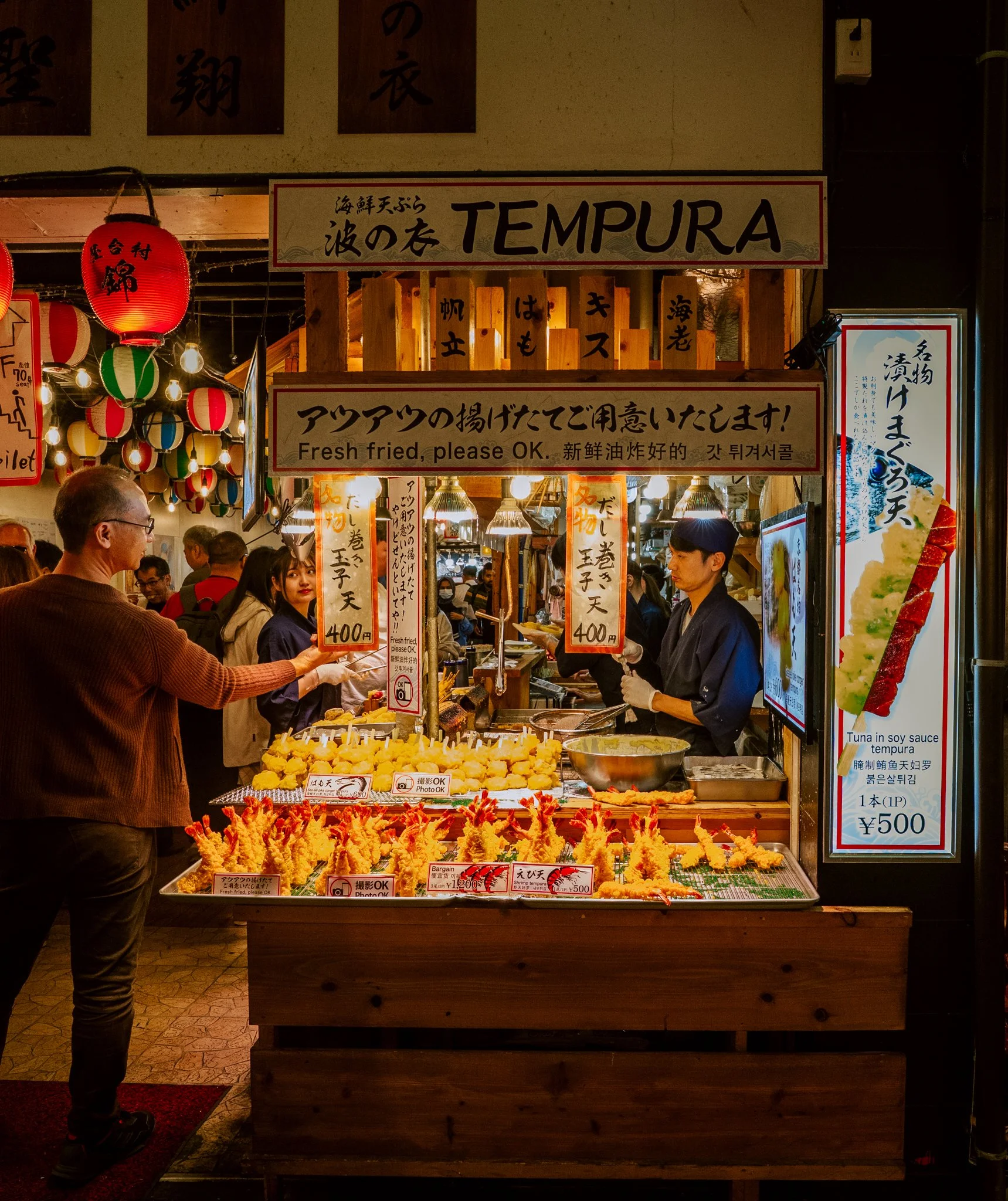
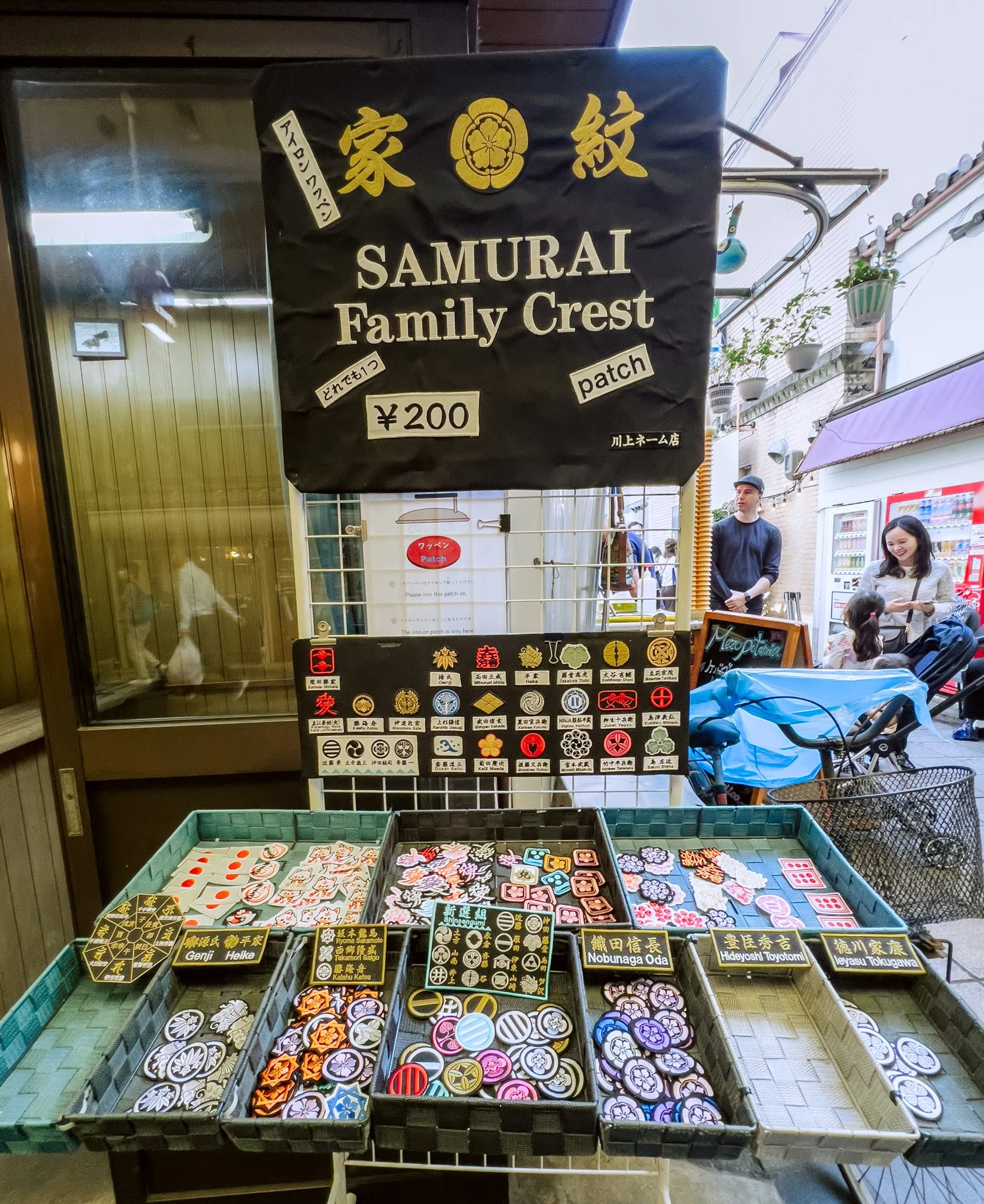
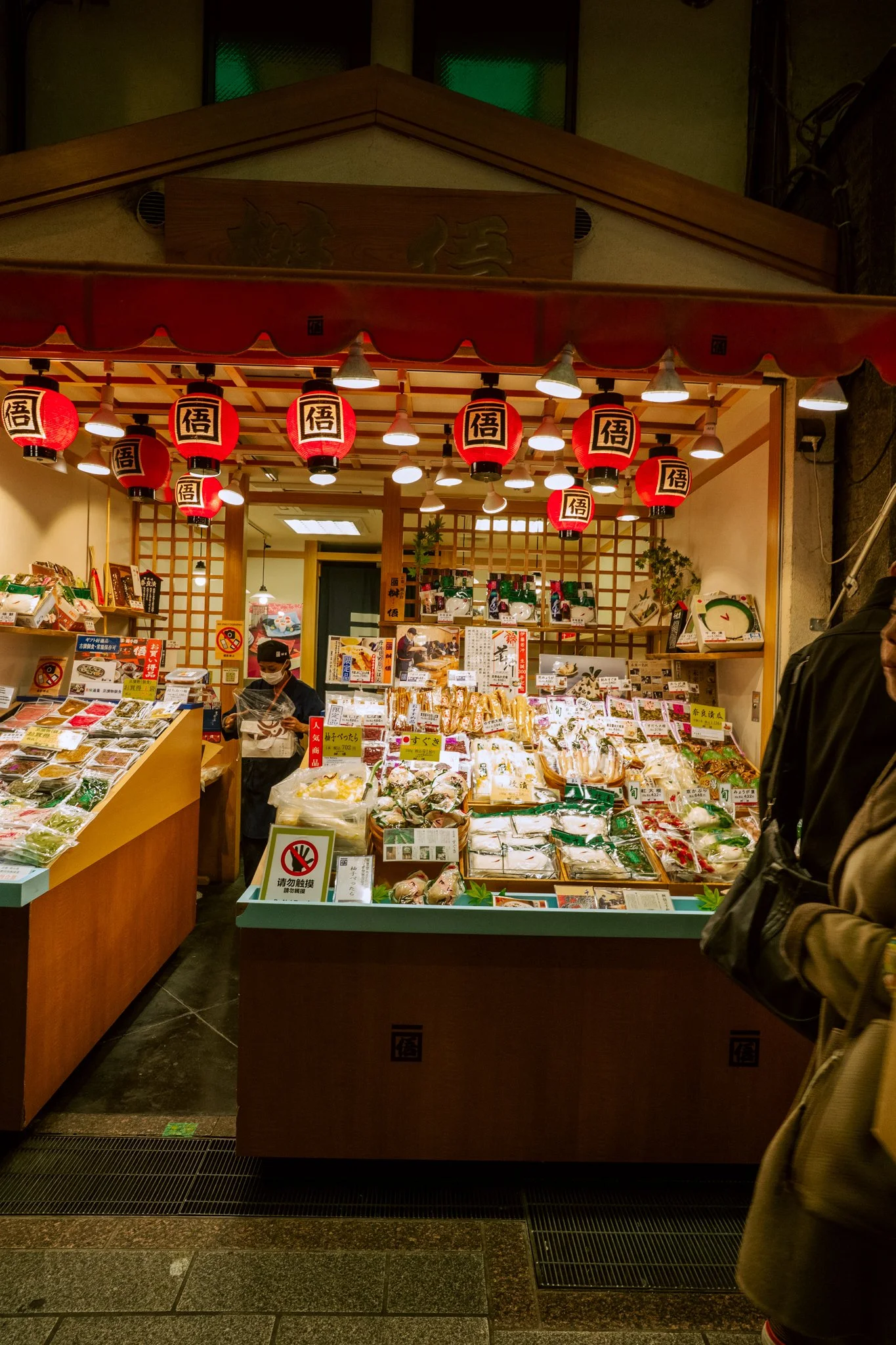
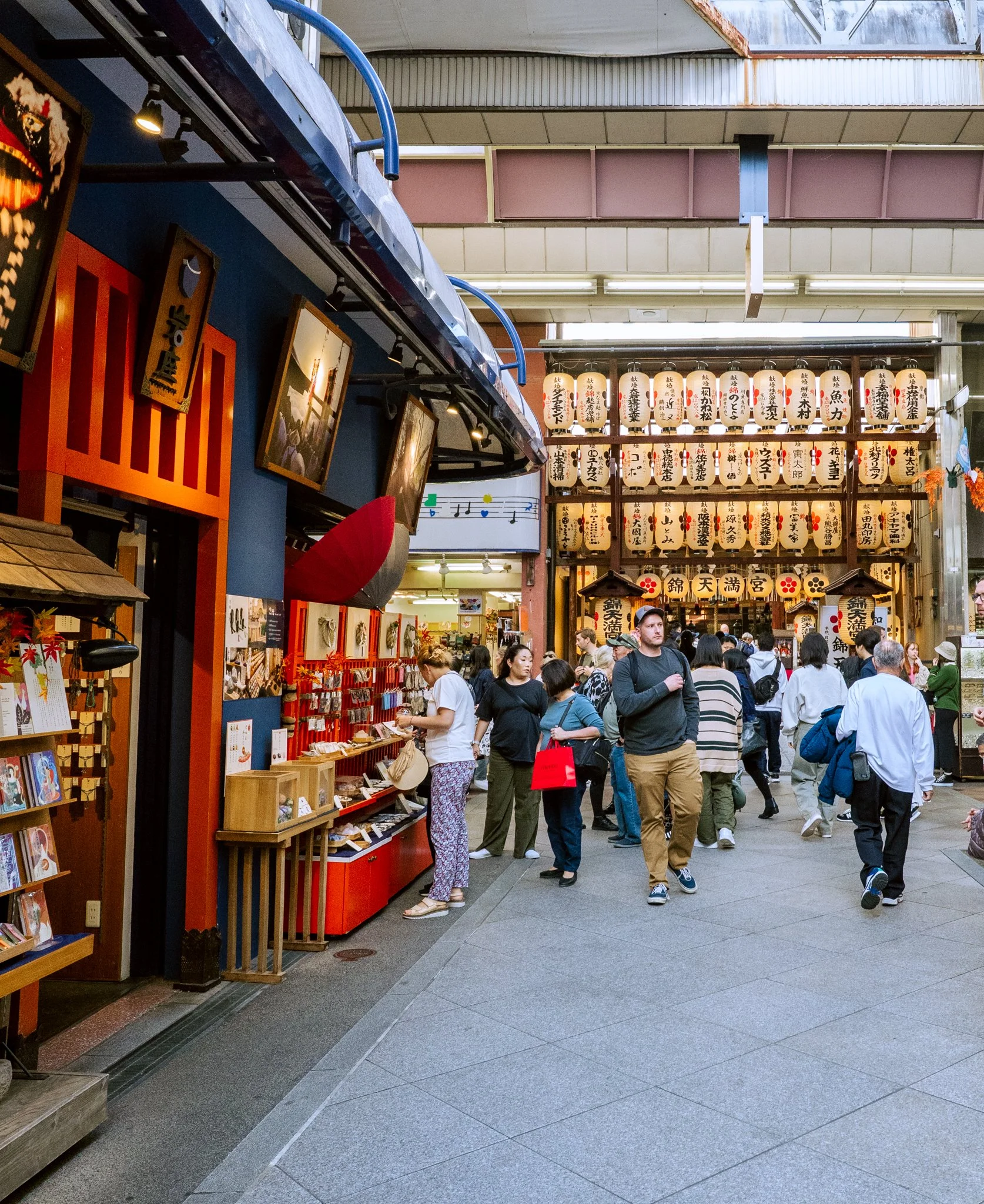
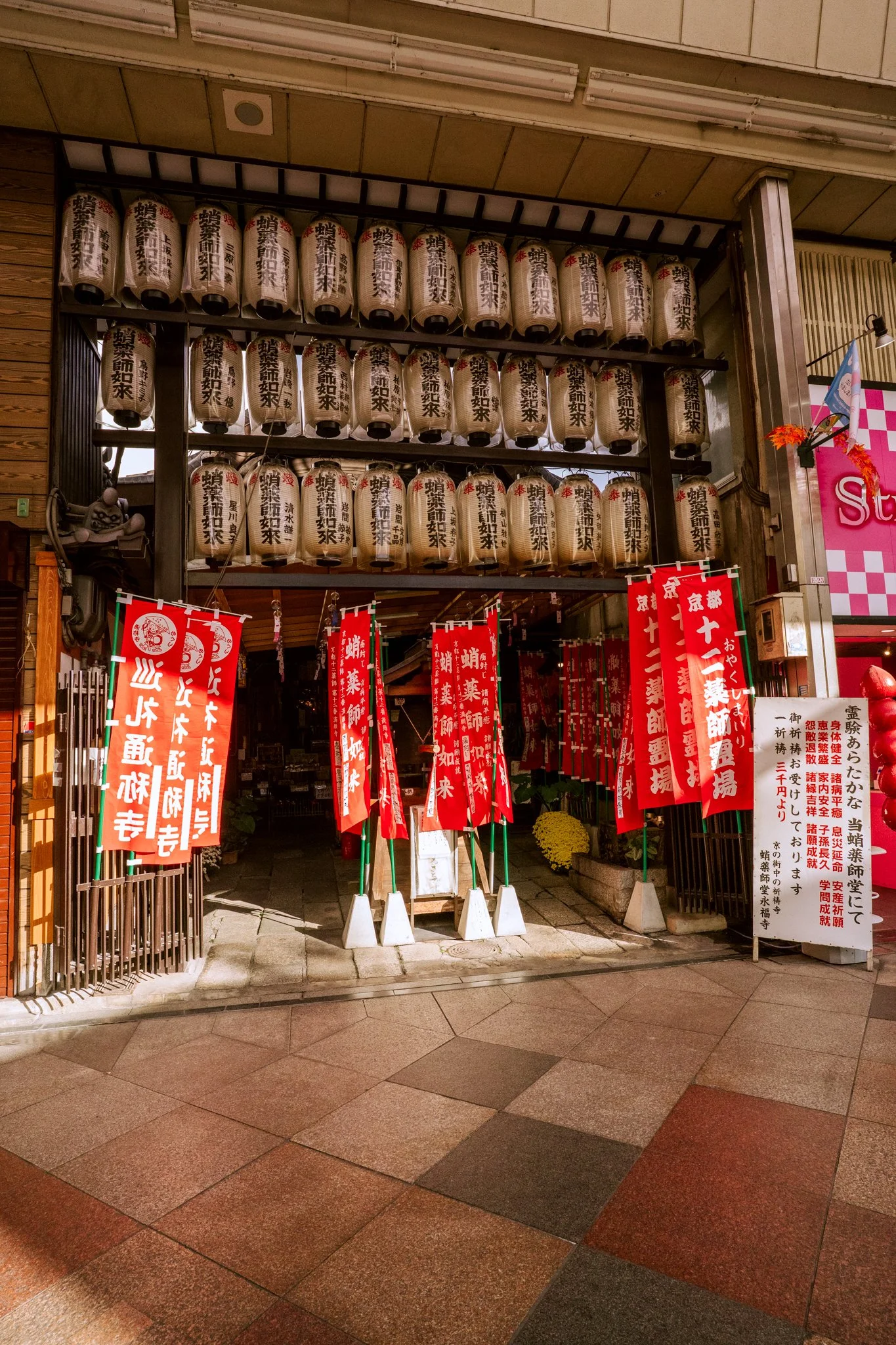
Is Nishiki Market crowded? Yes. Is it worth it? Yesyesyes! It’s been two years since that November morning and I still get a case of the drools when I recall that morning of “running around and eating”! This alley-like, closely cramped marketplace that gives a feeling of having been around for centuries (400 hundred years) is a sensory overload in every literal sense. It’s a great way to cover a great number of the “viral” delicacies like soft-serve, mochi, matcha sweets etcetera. Though I have to admit, it is a little tricky to stand and eat in front of the shop you bought the said food item from - it’s rude to walk and eat. So do mind your manners, or be prepared for the damning Japanese side-eye. After you’ve sufficiently challenged your digestion, you can walk it off in the surrounding shotengai or shopping district. These cute shops offer some really great options for souvenir shopping. Including a cute bento box shop and B-side Label - a really cool store with the funnest stickers.
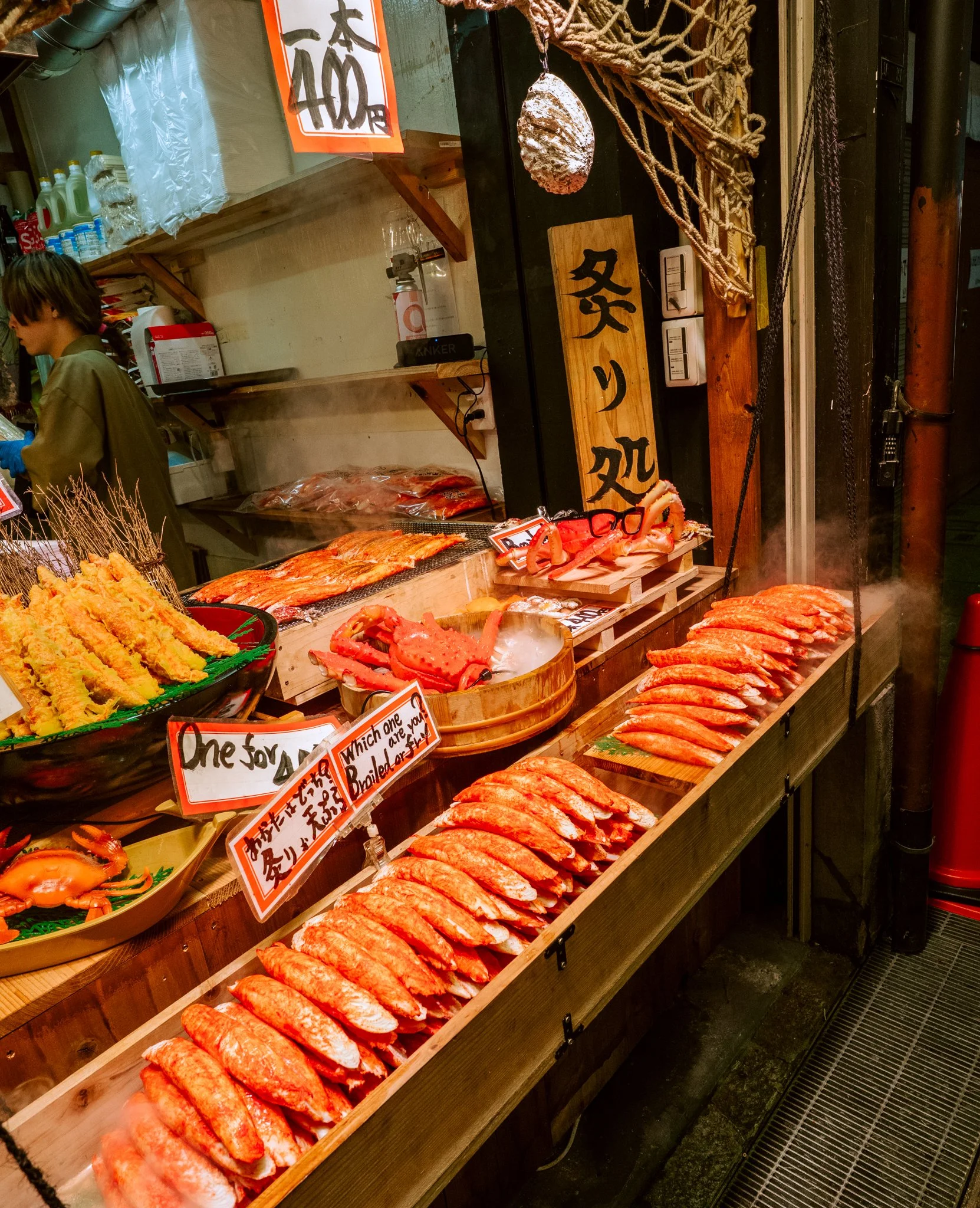
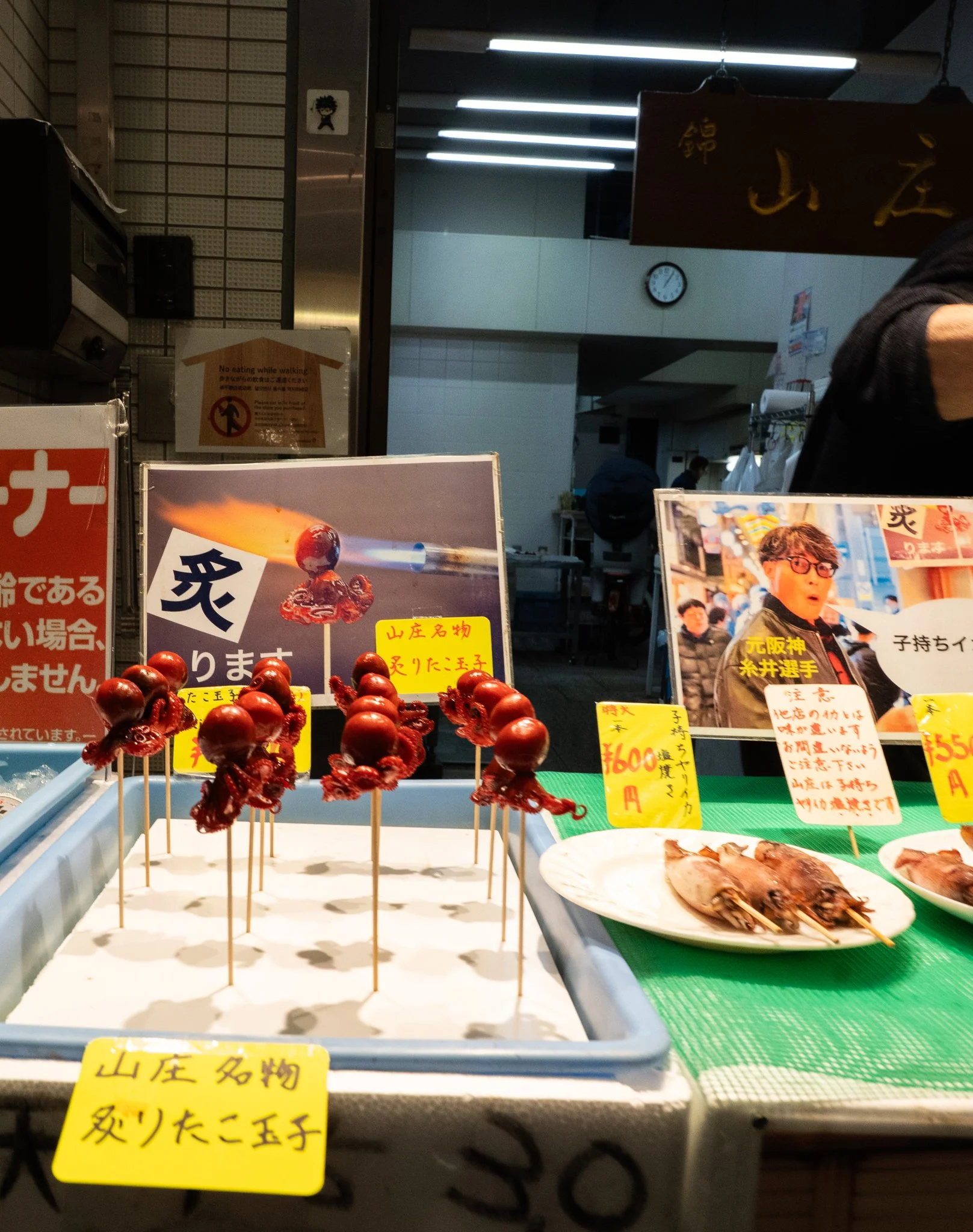
I believe it was around this time I allowed myself to be completely influenced or rather, re-influenced by the common sense of umbrella usage. The Japanese are huge on common sense and therefore, they use an umbrella when it’s sunny AND when it’s raining. The only other place I’ve seen this PREVALENT common sense is in my home state - Kerala. It makes sense, right? Hot and sunny? Use an umbrella. Or wear a hat. But nope. The other places that I’ve lived, some of them demonically hot and sunny, like Tamil Nadu, people gave you strange looks if you held an umbrella in any other weather condition than absolute cats, dogs and hippopotami falling from the sky. Bangalore, of the famous weather, gets dreadful summers that stand to gain from using an umbrella. But nope, let’s just load up on SPF and ignore the most obvious way to avoid sun damage. As a matter of fact, there is a running joke about how easy is to spot a Malayalee - the umbrella being the telltale. So the Malayalee in me was very happy to tote a cute blue umbrella with a dainty frill and all. Japanese umbrellas are things of elegance and beauty. I had to quell my innate Malayalee enthusiasm for umbrellas before I bought one too many.
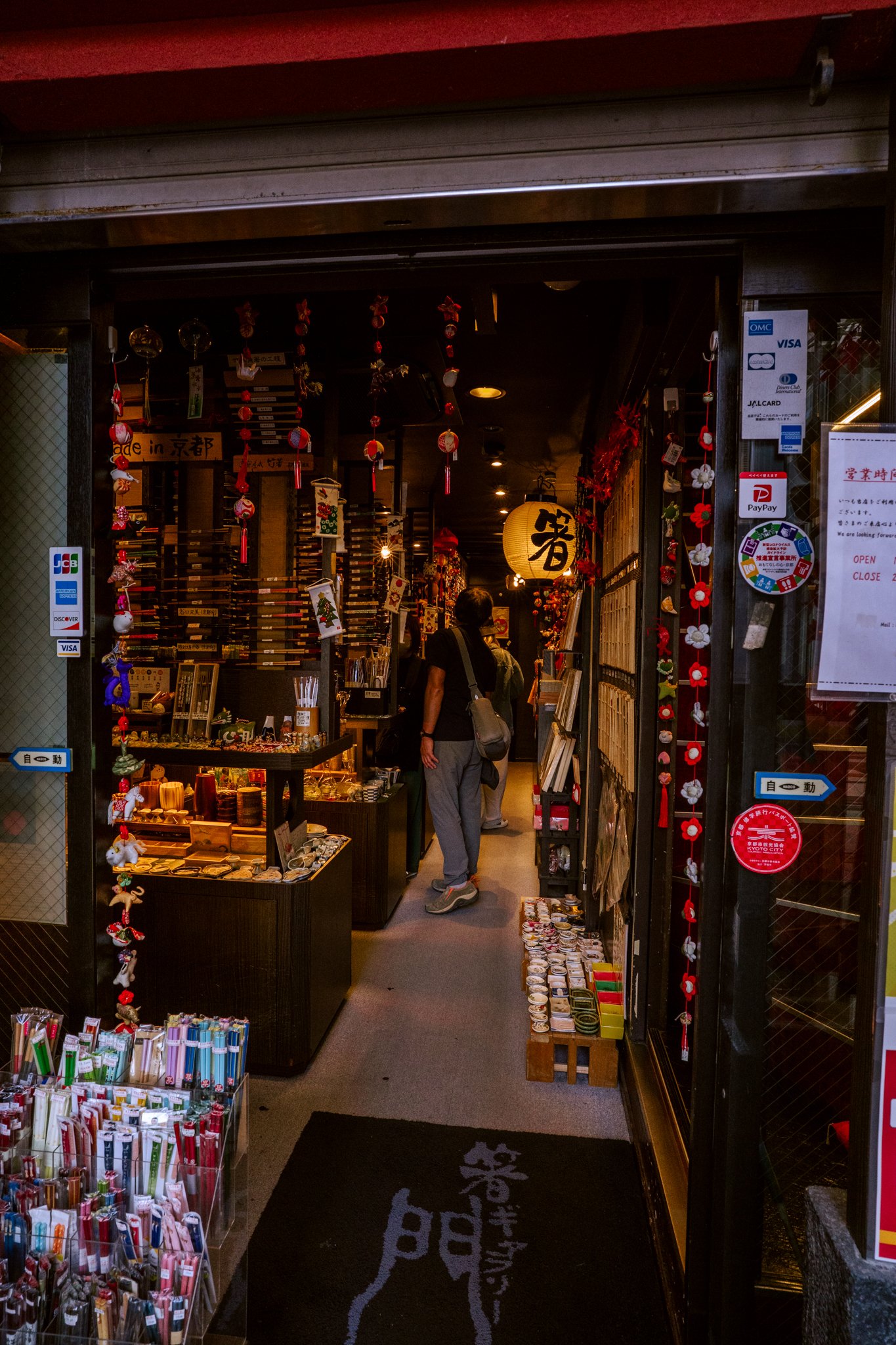
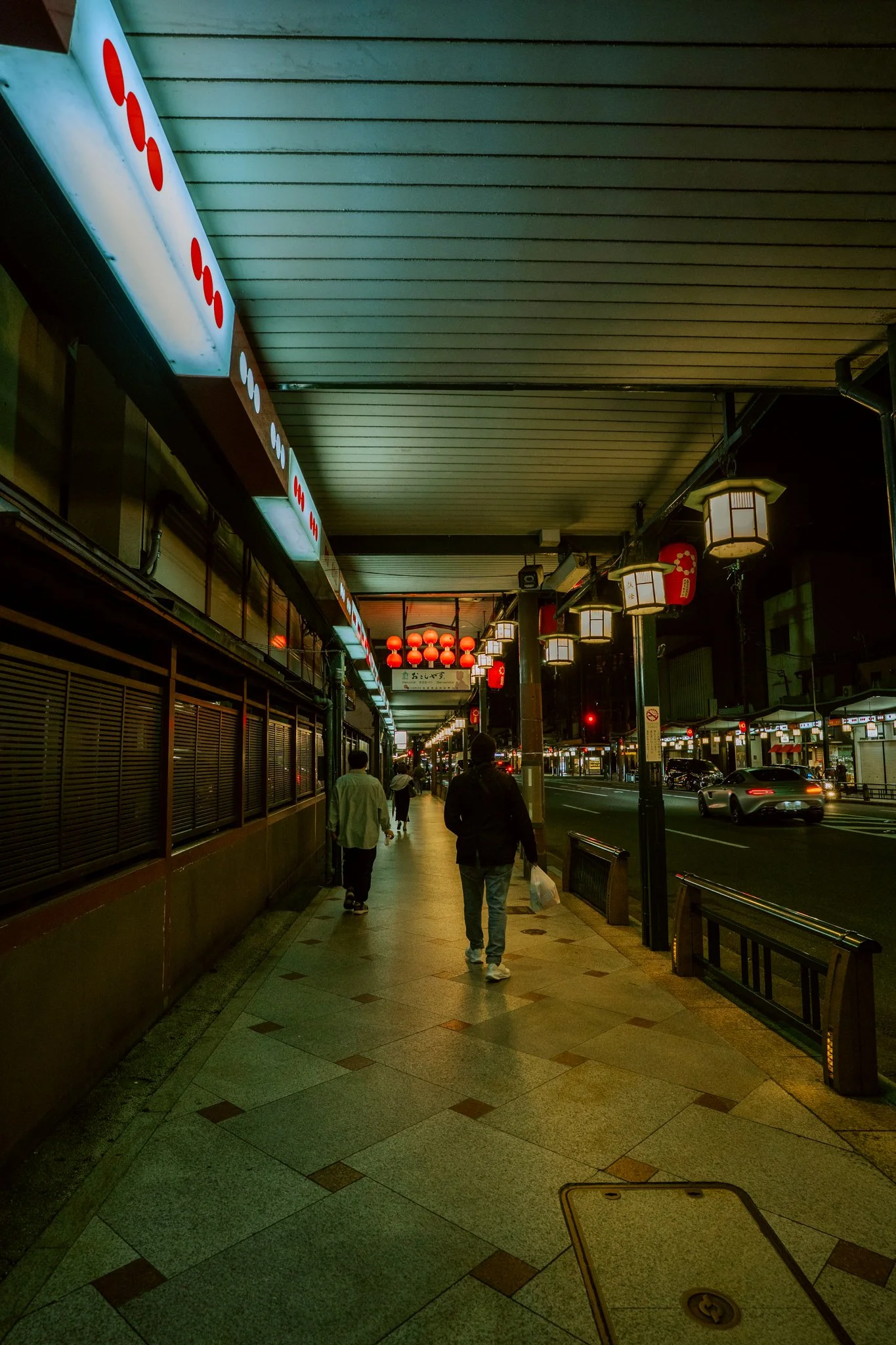
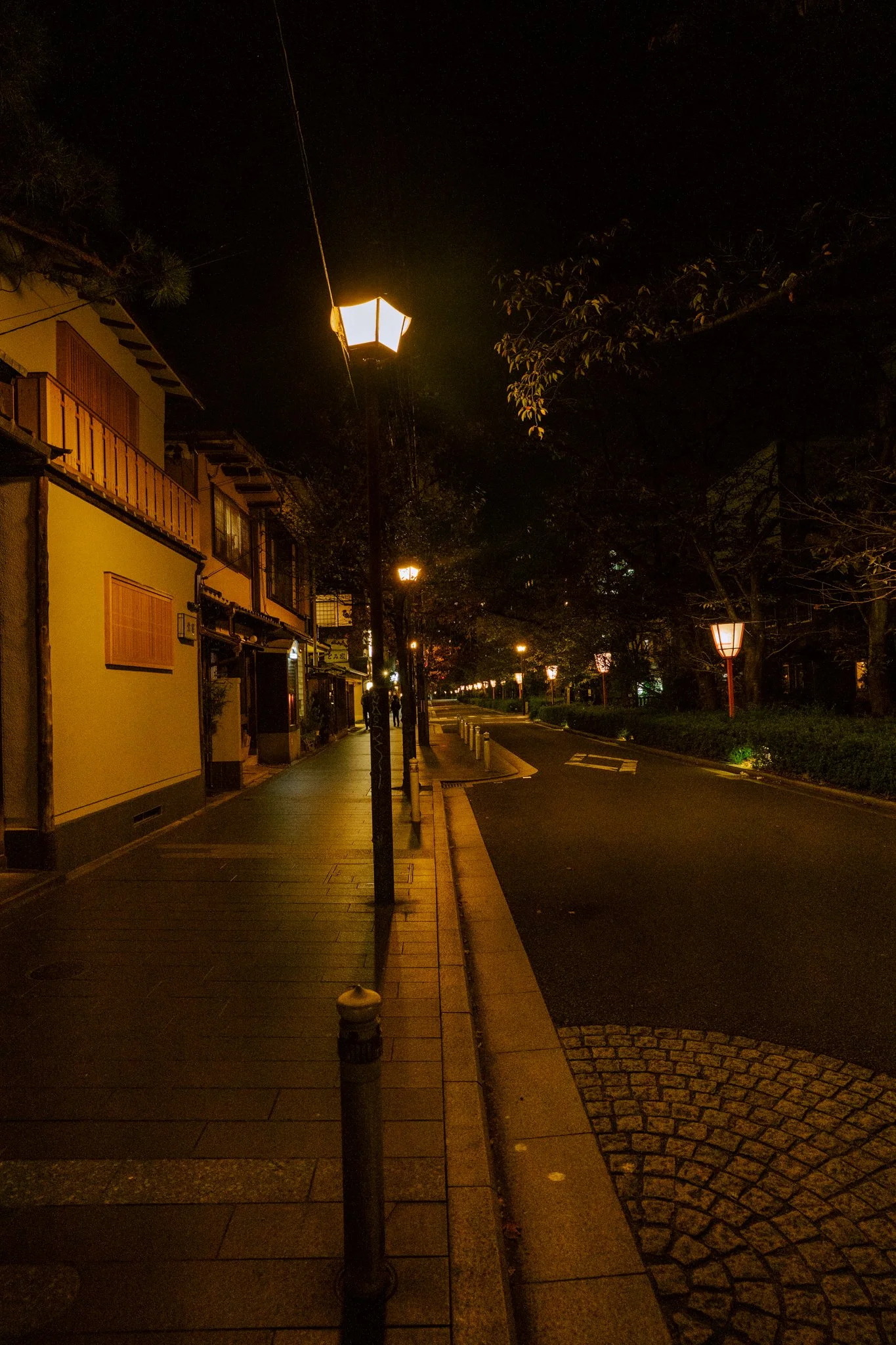
Another ritual we formed in Kyoto was wandering over to the railway station around dinner time to explore the food options. And when I say wander, I’m in danger of glossing over the walk - the dreamy streets, the luminous corners, the cunning little shops with the cutest wares, the surreptitious giggle of an unseen stream, the impish shadows cast by trees on ancient walls making almost ghoulish faces at you, a fleeting glimpse of a geisha in a cab as she heads to work, the mineral scent of an alpine river going to sleep and a quiet that is so deep and delicious that you hear the crunch of your footsteps form its own duet. Little moments where you find the elusive, everyday alone in Kyoto. Its gentle charm.
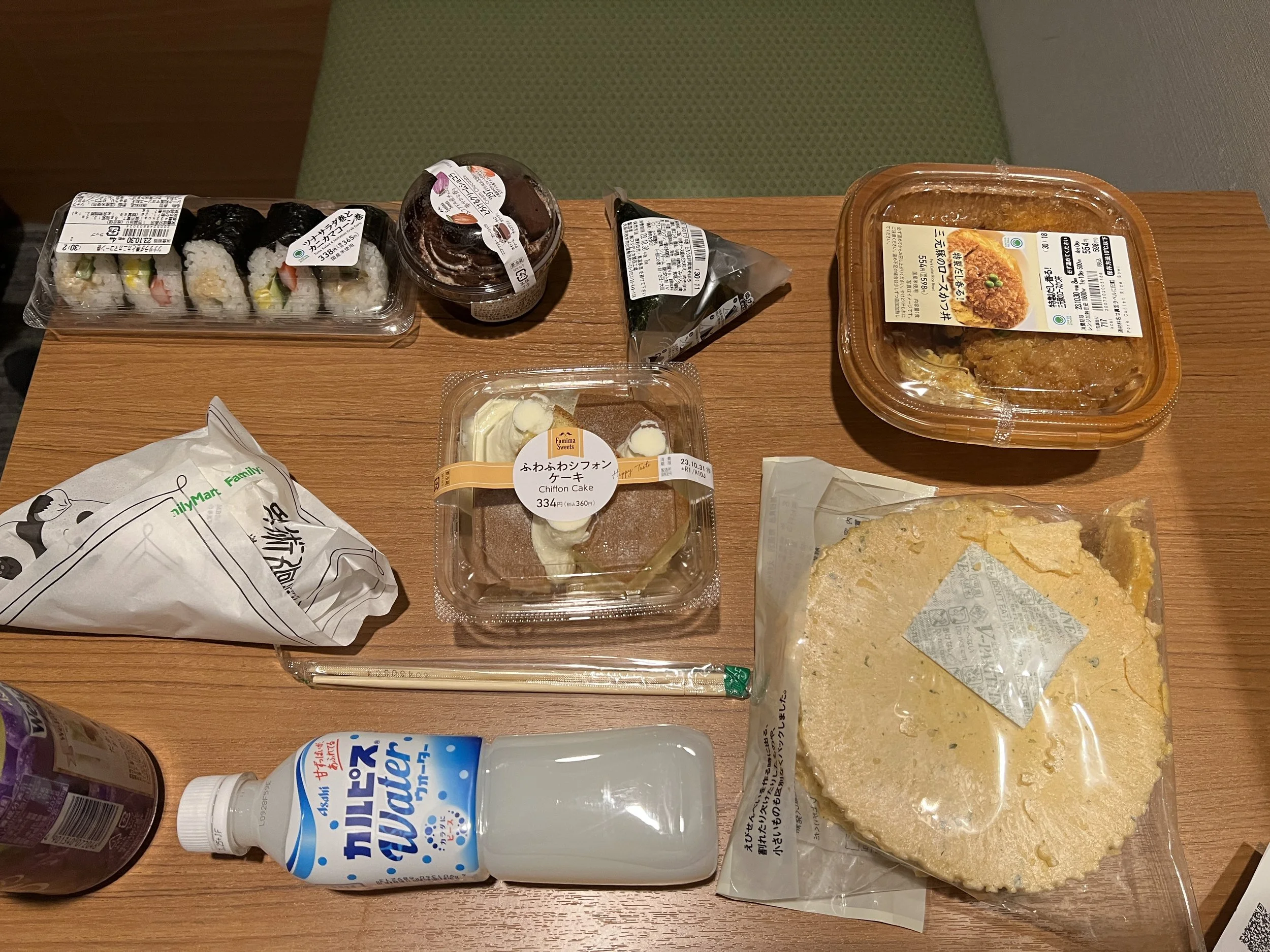
The food section of the Kyoto Station is a place where your heart will do somersaults of joy. It’s where the more is smorgasbord is truly more-ing. Where your eyes will pop. Where your brain will lie to you about the available real estate in your stomach. And your stomach will back that lie, why, it will even believe that lie. You will buy so much food. But your wallet will not complain. Because all these delicious, fresh, incredible food is just so affordable. Your stomach will get with the programme - you just walked some Twenty Thousand steps. That’s step count that’s “giving” love songs that promise crossing oceans and deserts. You’ll feel happy. You’ll feel that the world is a kind place. Another big fat lie. But hey, it’s Kyoto. And you deserve this sweet, beautiful mirage of contentment.